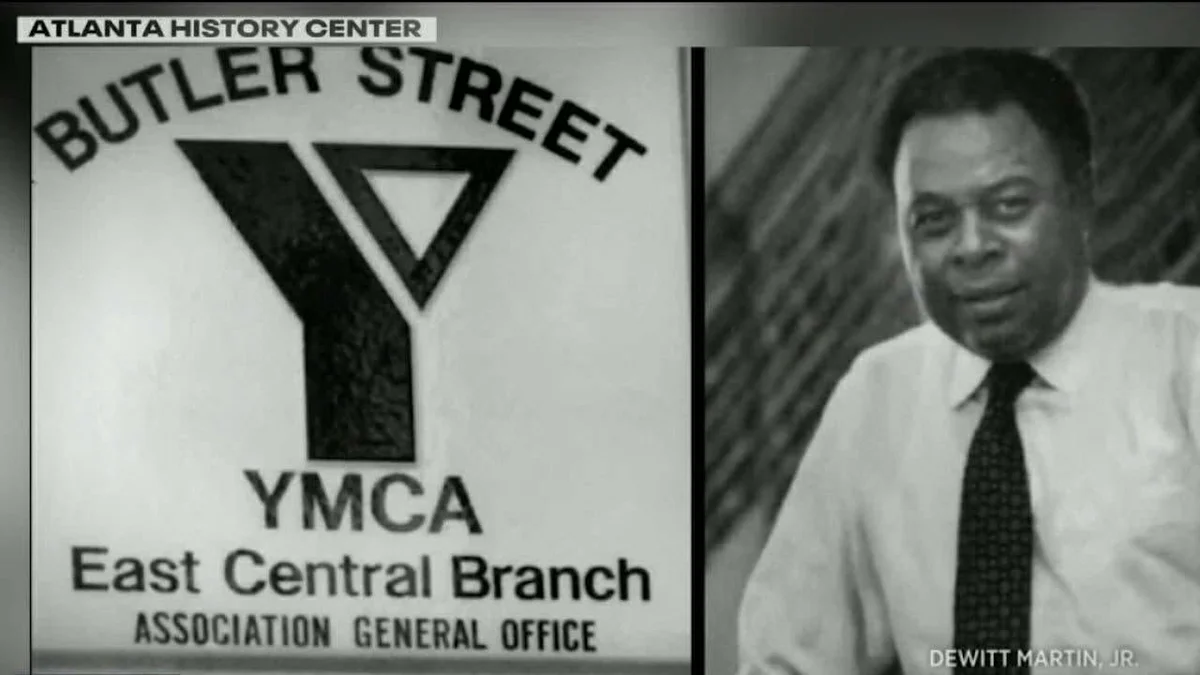
ATLANTA, GEORGIA – After more than a decade of closure, the legacy of the Butler Street YMCA — once considered Atlanta's unofficial "Black City Hall" — is now preserved and brought back to life through a new digital exhibit by the Atlanta History Center.
According to a FOX 5 Atlanta news report from February 20, 2026, the building on Jesse Hill Jr. Drive served as a central hub for African American community life for 118 years before officially closing in 2012.
"Black City Hall" — A Cradle for Leaders
The Butler Street YMCA was more than just a gym. For decades, it became the most important political and social discussion space for Atlanta's Black community.
One prominent figure who emerged from the YMCA's youth programs was Maynard Jackson — Atlanta's first Black mayor. He grew up within its activities and mentorship environment. Jackson's grandfather, John Wesley Dobbs, also played a significant role in the YMCA's development.
Under the leadership of DeWitt Martin Jr., who headed the YMCA for 25 years starting in the mid-1970s, the facility became a launching pad for many future generations of leaders.
"Youth development was central," shared DeWayne Martin — his son. "You would see kids being guided and mentored for their future."
The Hungry Club Forum — A Rare Roundtable During Segregation
During the height of the Civil Rights Movement, the Butler Street YMCA hosted the Hungry Club Forum — a platform where Black and white leaders could sit together and discuss social issues amidst a deeply segregated city.
Historians call it a rare "public roundtable" where dialogue transcended racial boundaries during a turbulent period in American history.
An Unsent Letter and a Continuing Legacy
DeWitt Martin Jr. retired in 2000. By 2020, concerned that the building's historical significance would fade amid Atlanta's rapid urban development, he penned a letter to the Atlanta History Association, advocating for the preservation of the YMCA's records and documents.
He passed away just days later, and the letter was never sent. However, his family fulfilled his wish by donating personal documents and archival images to the Atlanta History Center.
The digital exhibit, titled "Food for Thought, Fuel for Change: DeWitt Martin and the Legacy of the Hungry Club Forum," now provides global public access to this valuable archive.
Physical Doors Closed, Digital Doors Open
Although the doors at Jesse Hill Jr. Drive remain closed, researchers believe that the online space will help this "birthplace of social and civic innovation" continue to impact many generations.
"Dad, they finally understand how important the Butler Street YMCA is to this city," DeWayne Martin shared emotionally.
That legacy now lives on — just a click away.