
Why Wall Street Has Not Panicked Over the Iran Conflict—At Least for Now
EconomyTrương Atlanta
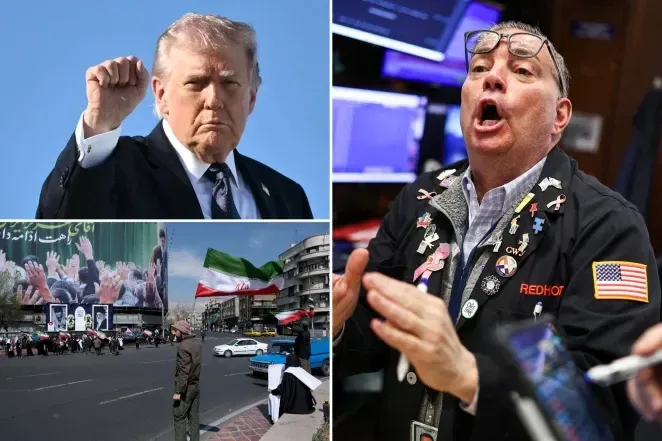
Wall Street maintains a cautious stance rather than panicking over Iran tensions, fueled by hopes for oil market stability and the potential for Iran's global economic reintegration.
NEW YORK — Despite the conflict with Iran entering a tense phase, Wall Street's financial circles have yet to fall into a state of panic. According to many senior financial leaders, the market is fluctuating sharply but a broad sell-off has not yet occurred.
The Dow Jones index has moved up and down session by session but has not plunged deeply. Instead of selling off, many institutional investors are choosing to hold their positions and buy selectively.
A senior bank executive described the current situation as “binary”—meaning the scenario could be very positive or very negative. If the conflict escalates through air strikes on Iranian territory, causing significant casualties to U.S. forces abroad or lasting for weeks, oil prices could skyrocket, inflation could return, and the market could decline sharply.
However, some executives believe that President Trump is pursuing specific goals, not setting excessive expectations. They believe Washington might accept a militarily and nuclear-weakened Iran instead of pursuing total regime change.
Three positive scenarios investors are considering
According to financial sources:
First, energy supplies from Iran could return to the global market more transparently, contributing to lower oil prices and stable interest rates.
Second, the Abraham Accords could expand to Saudi Arabia and other Gulf nations, enhancing political and economic stability in the Middle East.
Third, in a scenario with more moderate leadership in Tehran, Iran—a nation of nearly 93 million people with a highly skilled workforce—could reintegrate into the global economy.
Nonetheless, analysts admit risks remain as Tehran could trigger a maximum chaos scenario and the market could reverse quickly if a sudden shock occurs.
Currently, the general sentiment on Wall Street is cautious but not pessimistic. Investors are closely monitoring developments on the ground before making major decisions.

Support Truong Atlanta
If you find these articles helpful, buying me a coffee helps keep the news coming every day for the Vietnamese community.
Related articles
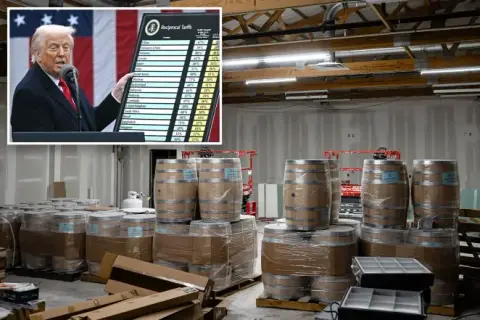
US Whiskey Exports to Canada Plunge Nearly 70% Following Tariff Tensions
US whiskey exports to Canada dropped nearly 70% in 2025 as trade tensions led Canadian provinces to remove American spirits from retail shelves amid ongoing tariff disputes.

Oil Prices Surge as Middle East Conflict Disrupts Global Energy Supply
Global oil prices soared by nearly 9% following attacks in the Middle East, sparking fears of supply disruptions through the strategic Strait of Hormuz.

Papa John’s to Close Hundreds of Stores by 2027
Papa John’s plans to close approximately 300 underperforming locations by 2027 to restructure and optimize its system-wide store network.

Jack in the Box Stock Plummets as Sales Decline and Pressure for Leadership Change Mounts
Jack in the Box stock has plummeted due to declining sales and increasing pressure from major shareholders for a leadership change. The fast-food chain is now striving to restructure operations to stabilize itself amidst these challenges.
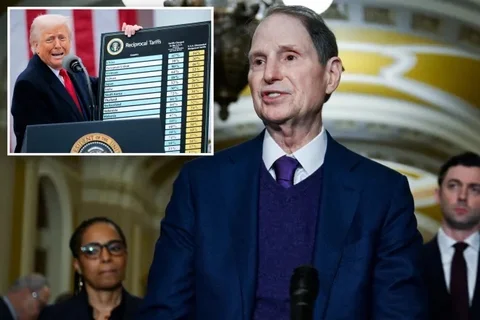
Democratic Senators Propose Forcing Trump Administration to Refund $175 Billion in Tariffs
Democratic senators have introduced a bill demanding the refund of $175 billion in tariffs collected before the Supreme Court ruled that the Trump administration exceeded its authority when imposing tariffs under the International Emergency Economic Powers Act.
Economy11
🏪Have a business?
Partner with us