June 5, 2026 — A federal judge in Boston has ruled to reject a Trump administration immigration policy that made it more difficult for immigrants from 39 countries to remain in and enter the U.S.
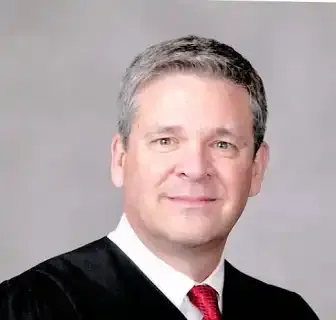
In a ruling issued on Friday, Federal Chief Judge John McConnell Jr. sharply criticized the policy of the U.S. Citizenship and Immigration Services (USCIS), stating that the agency had “pushed the lives of countless immigrants in the U.S. into an indefinite state of legal uncertainty.”
Judge McConnell wrote that USCIS had exceeded its legal authority, made decisions without reasonable explanation, and used “national security” as a pretext to conceal anti-immigrant sentiment.
According to court documents, the policy was issued after a shooting targeting two National Guard members last year. This policy made it nearly impossible for immigrants from 39 countries across Africa, Asia, Latin America, and the Middle East to receive final decisions on their applications for asylum, work permits, green cards, or U.S. citizenship.
Ms. Skye Perryman, President of Democracy Forward — the organization representing the plaintiffs — stated that the ruling affirms the federal government cannot close legal immigration pathways or discriminate based on nationality.
Many immigration organizations and lawyers are calling this a significant legal victory, helping to protect legal immigration programs and forcing USCIS to properly fulfill its responsibilities as mandated by Congress.
The ruling applies to pending cases at USCIS involving citizens of countries on the restricted list, not just those who participated in the lawsuit.
However, this decision does not affect asylum cases currently being processed by immigration judges at the U.S. border.
In arguments before the court, the U.S. government asserted that the executive branch has broad authority in controlling immigration policy and the power to decide whether to grant or deny immigration benefits.
This case is part of a series of tightened immigration policies by the Trump administration, at a time when the government continues to increase security checks and restrict entry for many countries.