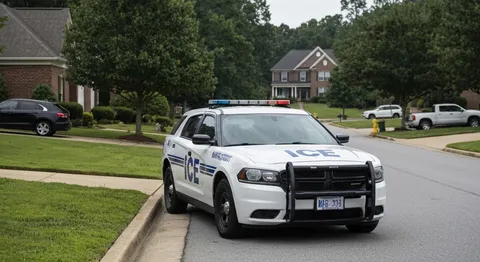
The South Fulton City Council, Georgia, has officially passed a resolution aimed at preventing the U.S. Immigration and Customs Enforcement (ICE) from establishing detention centers within the city limits. This move comes as a Democratic state legislator in Georgia proposes a moratorium and blocking state funding for future ICE facilities.
The resolution, initiated by Councilwoman Helen Willis, aims to "freeze" any possibility of ICE opening a detention facility locally. Ms. Willis emphasized that ICE detention centers are not what the community desires. The city affirmed it would not cooperate with the agency in raids targeting non-violent immigrants.
South Fulton Tightens Zoning Regulations to Block ICE
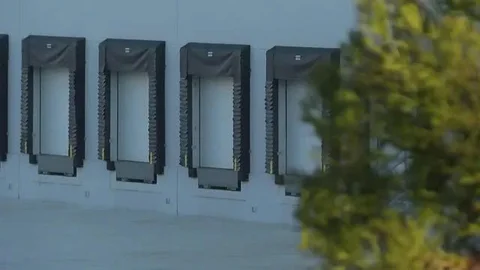
To achieve this goal, South Fulton plans to amend its land use planning regulations to prohibit the construction of detention centers. Furthermore, the city administration has instructed relevant authorities not to grant tax incentives to any developer intending to convert vacant warehouses into immigrant detention facilities. Ms. Willis expressed concern that old warehouses could be repurposed for this use without timely preventative measures.
However, the resolution also faced opposition within the city council itself. Councilwoman Linda Pritchett was one of two who voted against it, arguing that the city currently has no direct issue with ICE. She suggested that passing the resolution could cause unnecessary confusion, especially since 94% of the city's population is African American.
Statewide Moratorium Proposed
At the state level, Senator Jaha Howard has put forward two significant proposals to restrict ICE's operations in Georgia. One proposal calls for a two-year moratorium on new facilities, and the other aims to prevent the use of state funds for building detention centers. Mr. Howard asserted that taxpayers' money should not be used to detain individuals whose criminal records are unclear.
Although ICE currently has no specific plans in South Fulton, the city government still wants to take early preventative action. Ms. Willis acknowledged that the city has little authority over federal decisions but hopes these agencies will respect local regulations. This issue is expected to continue drawing attention at both the city and state levels in the near future.