Date posted: March 6, 2026
Press Release
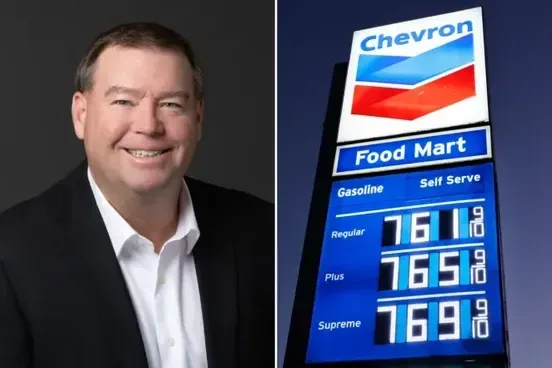
CALIFORNIA – A senior executive at energy giant Chevron warned that increasingly stringent climate regulations in California could push the state's refining industry to the brink of collapse and cause gas prices to surge in the coming years.
Andy Walz, Chevron’s president of refining, midstream, and chemicals, stated that the California Air Resources Board (CARB) plan to adjust its emissions control program could burden refineries in the state with billions of dollars in additional costs.
In an interview with KCRA on March 6, Walz said:
“If this burden is imposed, the question is not whether a refinery will close, but when.”
Controversy Surrounding the “Cap-and-Invest” Program
The debate centers on California’s “cap-and-invest” program, a policy that requires companies deemed large emitters to reduce their carbon footprint or purchase emission allowances to continue operating.
Funds collected from this program are used to finance various state projects, including the high-speed rail project.
Last year, lawmakers along with California Governor Gavin Newsom extended the program for another 20 years. Now, regulators are proposing further tightening of regulations, including:
- Reducing the number of carbon credits businesses can purchase
- Applying stricter emission caps by 2030
According to Walz, these changes could impose massive costs on California refineries, while fuels imported from abroad would not face the same cost levels.
Concerns Over Rising Gas Prices and Job Losses
Walz argued that the new policy could lead to a sharp increase in California gas prices, projected to exceed $1 per gallon by 2030, and trigger a wave of job losses in the energy sector.
He also highlighted the national security factor, noting that California is home to 32 U.S. military bases that rely heavily on domestic fuel supplies.
“I am very concerned. California is facing an emergency,” Walz said.
California Authorities Defend the Policy
The California Air Resources Board stated that the cap-and-invest program remains the most cost-effective way to achieve the state's emission reduction goals, despite the fact that differences in taxes and environmental fees are creating economic pressures.
Spokesperson Lindsay Buckley said the adjustment plan could bring $180.7 billion in economic benefits to the entire state over 20 years.
According to the plan, the public comment period will run until March 9, 2026, before the formal proposal is released in late May.