Reported on: March 20, 2026
Cuba stands on the brink of a deep crisis with widespread blackouts, a depleted economy, and a rising wave of protests. The Cuban community in Miami believes the current system is nearing its end.
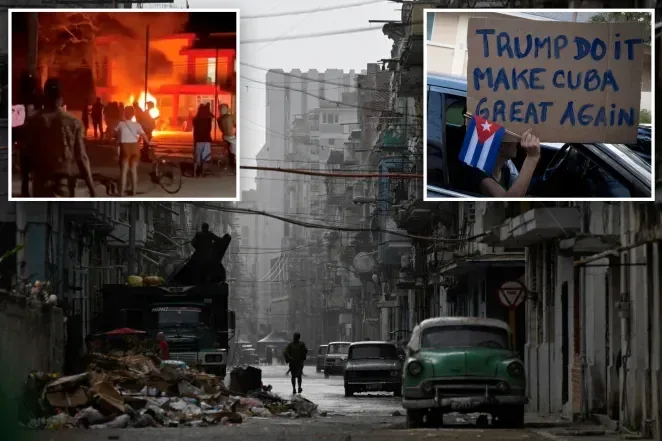
The island has spent 67 years under the leadership of the Communist Party of Cuba—the only legal political party. Last week, protesters attacked the party headquarters overnight, committing vandalism and attempting arson, according to local sources.
In Miami, many Cuban exiles are closely monitoring the situation. José Collazo, who left Cuba in the 1960s, noted that current protesters are showing markedly more courage than before, especially as many are willing to take risks like pursuing a mission for freedom despite heavy crackdowns.
Collazo is often found at Domino Park in Little Havana, where the Cuban community gathers to play dominoes and discuss the situation back home.
The energy crisis continues to weigh heavily. The national power grid collapsed earlier this week, leaving approximately 10 million people in the dark, according to information from both the U.S. Embassy and Cuban authorities. The cause is believed to be linked to fuel shortages and aging electrical infrastructure.
Simultaneously, the economic crisis is worsening. The situation faced further pressure after President Trump warned of imposing tariffs on countries that supply oil to Cuba.
President Trump recently stated that he might “do something with Cuba very soon” and mentioned the possibility of “taking it over in some way.”
Senator Marco Rubio, who is of Cuban descent, argued that a change of leadership is needed in Havana.
Meanwhile, Pentagon officials stated there are no plans for military intervention, although they still view Cuba as a long-term security issue.
Francisco Botella, who has lived in Miami for nearly half a century, observed that the current situation is more fragile than ever. According to him, the system is weakening rapidly.
Many in the community believe Cuba is entering a decisive phase. Some believe the current leadership will have to leave, or else face a scenario similar to when Cuba left Venezuela amid pressure from Washington.
The Cuban government continues to blame U.S. sanctions, while analysts suggest that internal pressure is mounting due to prolonged blackouts, commodity shortages, and widespread social discontent.