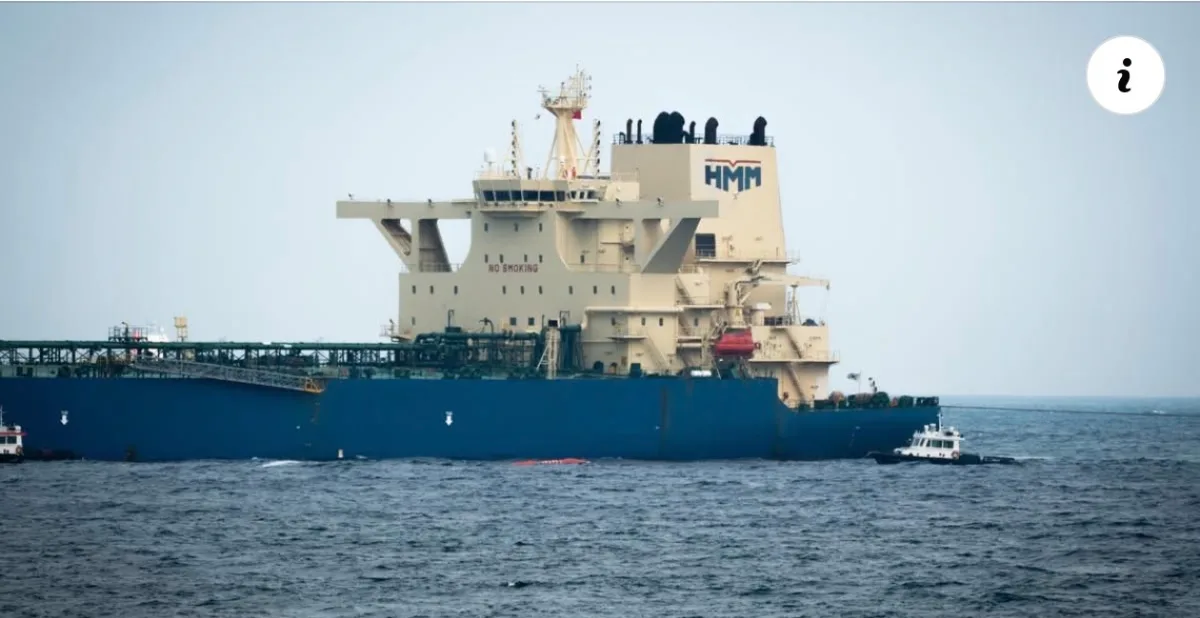
The Strait of Hormuz has been declared “fully open” for all commercial vessels while the Israel–Lebanon ceasefire remains in effect, according to confirmations from both Iran and President Trump.
Iranian Foreign Minister Seyed Abbas Araghchi stated that transit through the Strait of Hormuz is reopened for all commercial ships, provided they follow routes previously coordinated by the Ports and Maritime Organization of the Islamic Republic of Iran.
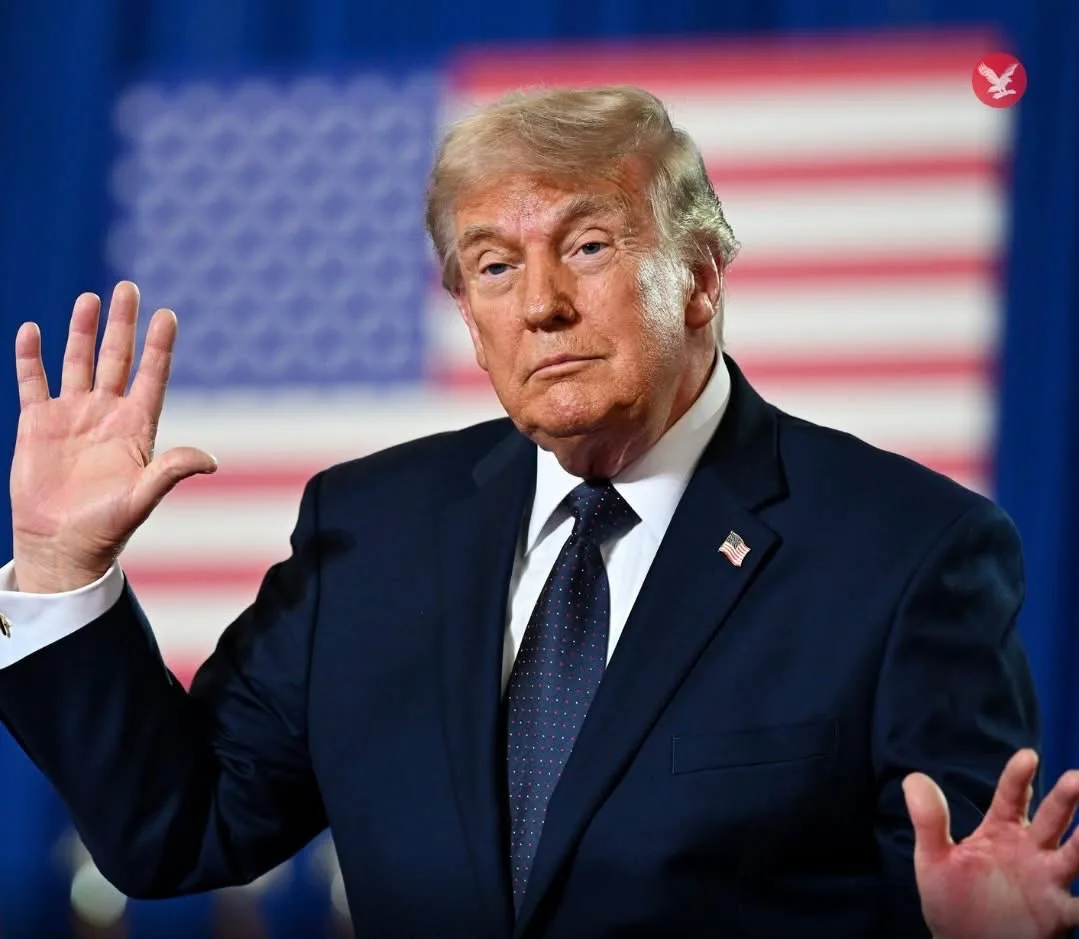
Shortly after, President Trump posted on Truth Social confirming that the Strait of Hormuz is “fully open and ready for full transit.”
Crude oil prices fell sharply following the announcement, dropping from the level of $92.48 per barrel to approximately $83 per barrel.
President Trump stated that the U.S. is maintaining its naval blockade against Iran, emphasizing that this measure applies only to Iran-related activities and does not affect other international vessels.
He wrote that the strait is fully open for commercial activity, but the blockade will continue “until the deal with Iran is 100% complete.”
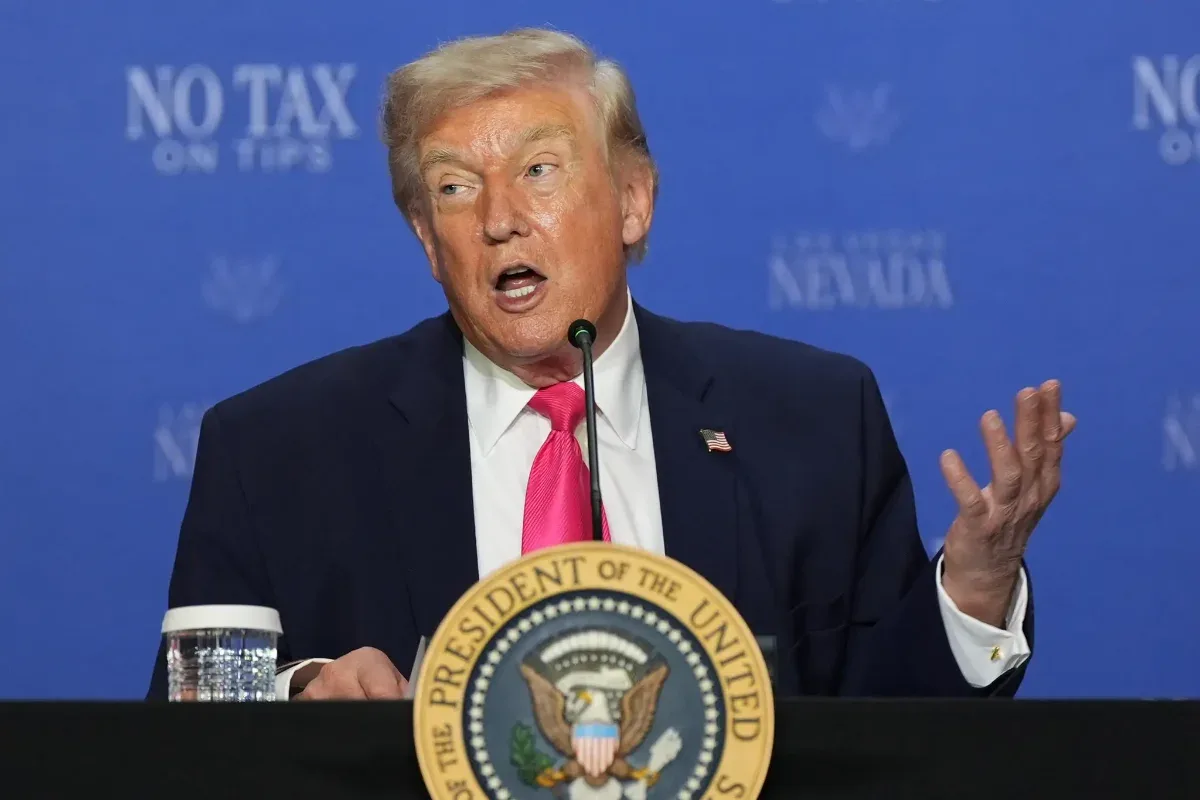
President Trump also said he rejected an offer of support from NATO, criticizing the organization for not participating when needed.
In another statement, he said the U.S. would recover all “nuclear dust” following previous airstrikes, while asserting that the deal with Iran is unrelated to Lebanon.
According to the Iranian side, transit through the strait will apply to routes approved by the Islamic Revolutionary Guard Corps to ensure safety after the area was previously mined during the conflict.
The Israel–Lebanon ceasefire is in effect for 10 days, facilitating negotiations between the U.S. and Iran.
There is currently no confirmation regarding an extension of the U.S.–Iran ceasefire, while Pakistan is seeking to organize the next round of talks amid reports that Iran lacks the resources for a long-term struggle.