
House Oversight Committee questions Minnesota Governor Tim Walz over multibillion-dollar federal fraud allegations
USATrương Atlanta
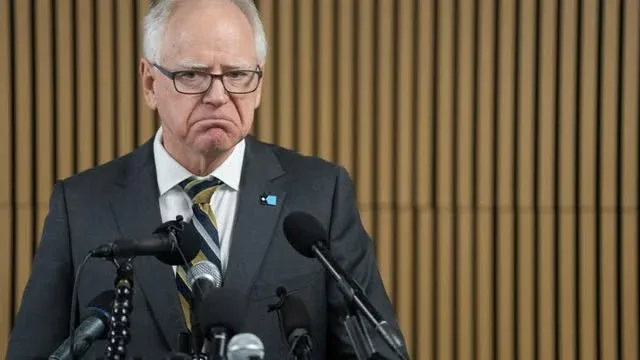
Governor Tim Walz faced House questioning over responsibility for alleged multibillion-dollar federal fraud in Minnesota's child nutrition and Medicaid programs.
Minnesota Governor Tim Walz and State Attorney General Keith Ellison faced a tense questioning session at the U.S. House Oversight Committee on March 5 regarding allegations of large-scale fraud involving federal tax dollars in the state.
Representatives demanded Walz and Ellison explain how much they knew about suspected fraud involving billions of dollars in federal government assistance.
Before the hearing, lawmakers released a report claiming that the Minnesota administration received multiple credible warnings about signs of fraud but failed to act in time.
The Committee's report estimates that approximately $300 million from federal child nutrition programs was misused. Additionally, Medicaid-related programs may have been defrauded of up to $9 billion.
According to the report, Minnesota's oversight system was not robust enough to ensure tax dollars were used as intended, and payments to suspicious organizations could have been stopped sooner.
During the hearing, Representative Jim Jordan (R-Ohio) questioned Walz about resuming payments to the charity Feeding Our Future, which is accused of using federal food assistance funds to buy luxury cars. Authorities later investigated the Feeding Our Future fraud case and requested the seizure of several luxury assets from individuals involved.
Jordan cited statements from the Minnesota judicial system claiming that Walz provided inaccurate information about a court ruling regarding the restoration of payments to the organization.
Walz pushed back, stating that lawyers at the Minnesota Department of Education had misinterpreted the court's ruling.
To date, 79 people have been federally indicted in connection with the Feeding Our Future fraud since 2022.
Republican lawmakers also pointed to a sharp increase in spending related to support services for children with autism. According to the committee's report, the number of service providers receiving federal funds increased by 700% from 2019 to 2024, as investigators discovered further irregularities at autism centers with losses totaling millions of dollars.
Some representatives questioned whether Walz had been informed of abnormalities in the expenditures. Walz replied that he had not received specific notification regarding the earlier fraud allegations.
While Republican lawmakers focused on budget fraud, some Democratic representatives shifted to other issues, including the impact of immigration enforcement in Minnesota, where ICE raids have always been a subject of intense debate among legislators.
Governor Walz stated that Minnesota is preparing to strengthen anti-fraud measures, including the application of artificial intelligence for early fraud detection, increasing inspections at service facilities, and tightening background check processes.
Walz also announced he will not seek re-election in 2026, as financial fraud allegations in the state continue to draw the attention of Congress and the public.

Support Truong Atlanta
If you find these articles helpful, buying me a coffee helps keep the news coming every day for the Vietnamese community.
Related articles

Washington State House passes plan to cut $100 million in child care subsidies for working families
The Washington State House recently passed a bill to cut over $100 million in child care subsidies and halt the program's expansion to address the state's budget deficit.
North Carolina Senate Candidate Charged After Protesting Iran War at Congressional Hearing
Brian McGinnis, a North Carolina Senate candidate, faces charges for assaulting police and resisting arrest after disrupting a Congressional hearing on Iran.

Georgia Sheriff Arrested for DUI with BAC Nearly Triple the Legal Limit
Hall County Sheriff Gerald Couch was arrested for driving his official vehicle with a 0.212% BAC. He admitted to the mistake and was released on bond the same day.
Renowned Chef Thomas Keller Opposes Affordable Housing Plan Near French Laundry in Napa Valley
Chef Thomas Keller has called for a halt to a $60 million workforce housing project in Napa Valley, citing concerns over its dormitory-style design and high costs.

DHS Secretary Kristi Noem Appears on Stage Immediately After Being Replaced by President Trump
Kristi Noem attended a Nashville conference after President Trump announced Markwayne Mullin as her successor, assigning her a new security envoy role starting late March 2026.
🏪Have a business?
Partner with us