Updated on April 4, 2026 – 9:30 PM (New York time)
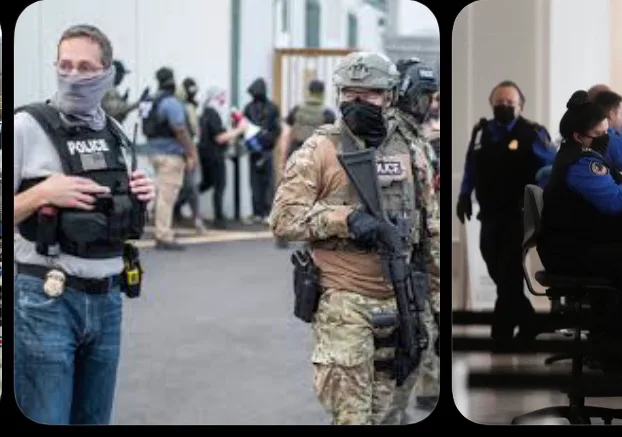
More than 800 people have been arrested after U.S. Immigration and Customs Enforcement (ICE) used data from the Transportation Security Administration (TSA), according to internal documents obtained by Reuters.
The data shows that the TSA has provided information on more than 31,000 passengers to ICE for immigration enforcement activities since President Donald Trump began his term.
Passenger information was collected through the Secure Flight program—a system established in 2007 with the original goal of identifying individuals on security watchlists, not for tracking immigration violators.
Data sharing between the two agencies originally served national security goals, but starting in 2025, it began being used for large-scale immigration enforcement operations.
Reuters could not determine the number of arrests that occurred directly at airports; however, TSA data helped identify the travel times of individuals.
The U.S. Department of Homeland Security (DHS) stated that the TSA is implementing solutions to enhance system efficiency and security but did not respond directly regarding the provision of data to ICE.
This development comes amid a congressional debate over the DHS budget. Democratic lawmakers have opposed additional funding unless immigration enforcement policies are adjusted.
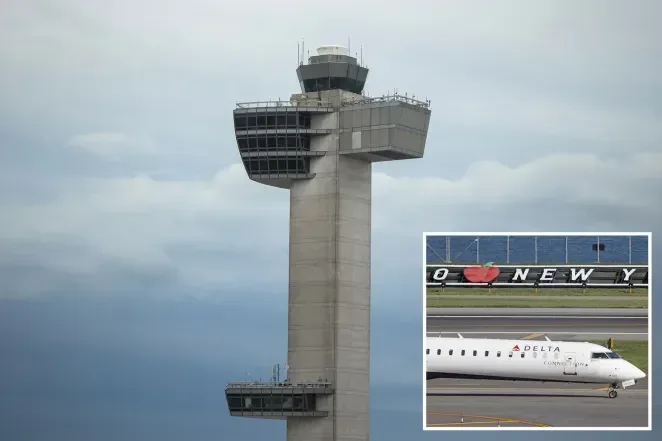
The stalemate left TSA employees without pay for an extended period, leading to staffing shortages at many airports. The administration has deployed ICE personnel to assist with security at more than a dozen airports since March.
Several airport arrests have drawn attention, including a student arrested while traveling domestically and a mother detained at San Francisco International Airport.
Immigration lawyers say many individuals were arrested at airports even while in the process of applying for legal residency, including an Irish couple living in the U.S. for over 20 years who were deported after being arrested in front of their children.
The incident has intensified the debate over privacy, the use of passenger data, and the scope of immigration enforcement at U.S. airports.