Iran lacks the military capacity to maintain a prolonged confrontation with the U.S. and Israel, according to a former high-ranking Pakistani official, as President Trump’s blockade exerts direct pressure on Tehran’s economy.
Retired Lieutenant General Muhammad Saeed assessed that Iran is likely to return to the negotiating table after the weekend negotiations in Islamabad concluded without an agreement. He suggested that Tehran will be forced to choose between accepting, completely rejecting, or proposing adjustments to the U.S. offer.
According to Saeed, domestic economic pressure plays a decisive role. High inflation, a sharply devaluing currency, and prolonged social unrest make it difficult for the Iranian government to maintain a hardline stance.
He emphasized that while Iran can continue launching drones and missiles in the short term, it lacks the proportional military capacity for a long-term confrontation with the U.S. and Israel, and has no cost-effective options to sustain the campaign.
Meanwhile, Vice President JD Vance has proposed what is called a “final offer” to the Iranian side. Full details have not been released, but the U.S. side confirmed signals from Tehran indicating a desire to continue the dialogue.
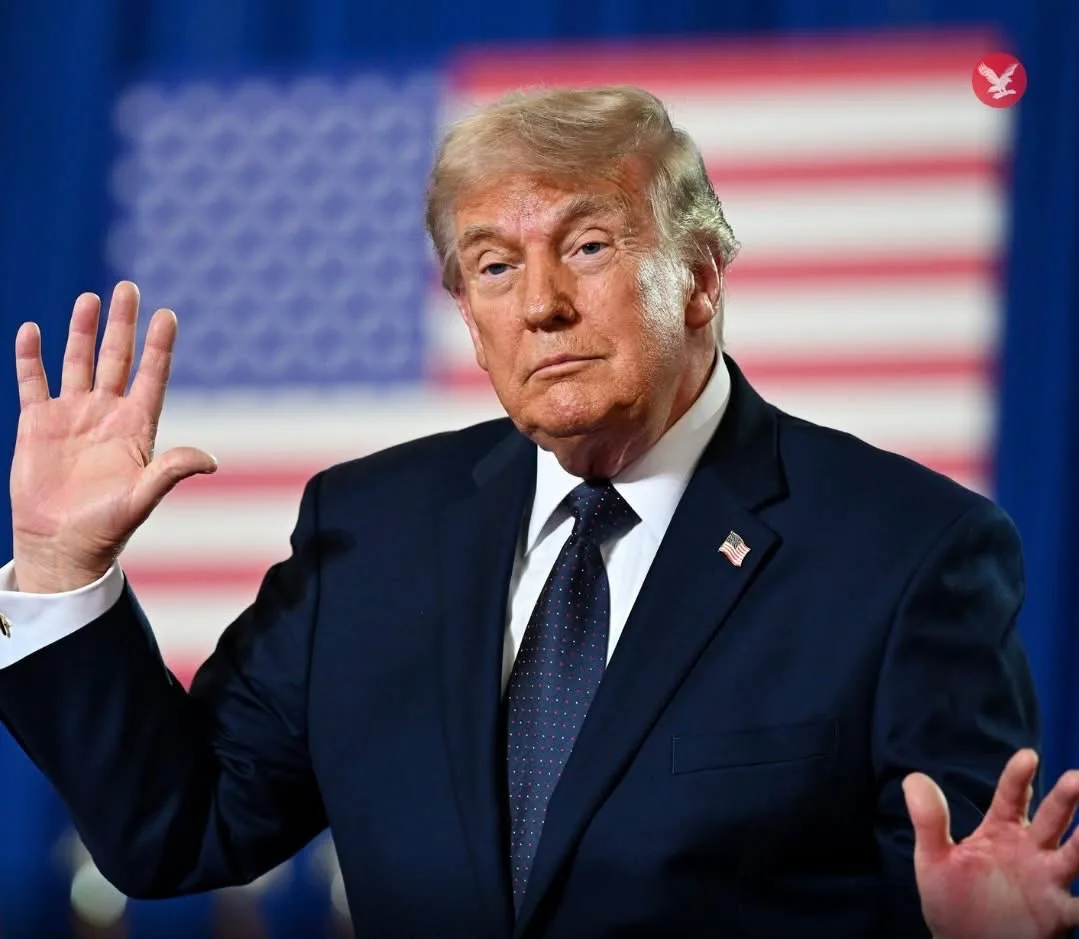
President Trump stated that Iran has contacted appropriate channels and expressed an intention to continue negotiations, emphasizing that Tehran is “very eager to reach a deal.”
Former U.S. State Department official Mark Kimmitt assessed that the blockade of the Strait of Hormuz could force Iran back to the negotiating table, but this will not happen immediately and it is unlikely Tehran will accept Washington’s proposal in its entirety.
He also suggested that it is difficult for Iran to completely abandon its uranium enrichment program in the current context.
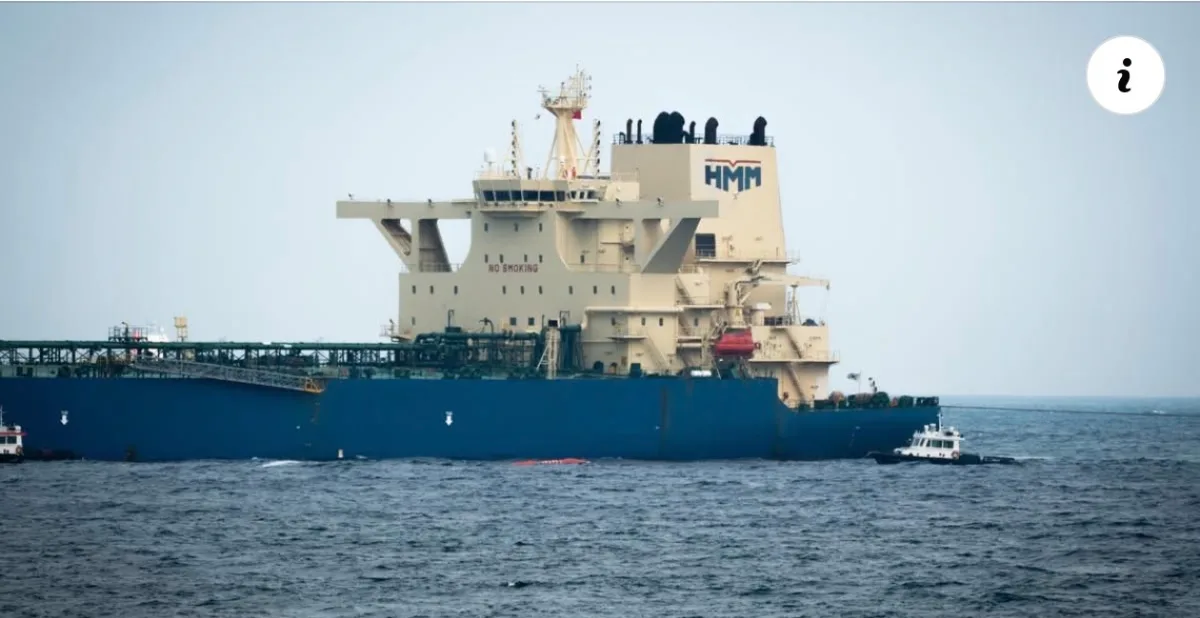
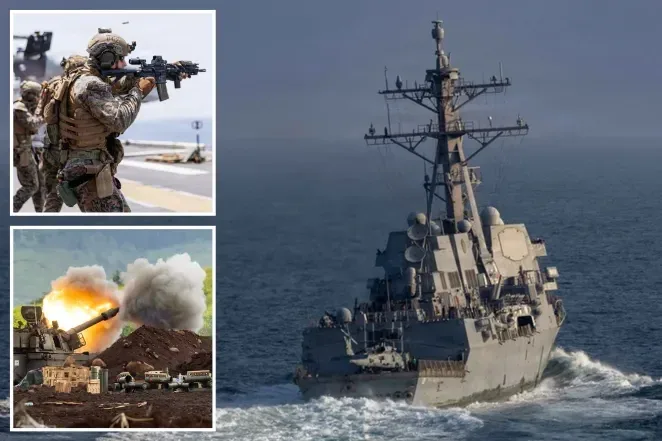
Another assessment from retired Rear Admiral Mark Montgomery, of the Foundation for Defense of Democracies, emphasized that the effectiveness of the blockade depends on the U.S. Navy’s ability for continuous enforcement. Intercepting and controlling enough Iranian vessels could degrade energy export capacity, thereby creating pressure for concessions.
Developments suggest that the hostilities are shifting from military confrontation to a war of economic and strategic endurance.