Negotiations to end the Iran war will resume this week, President Trump stated, amid reports of new gunfire in the Strait of Hormuz.
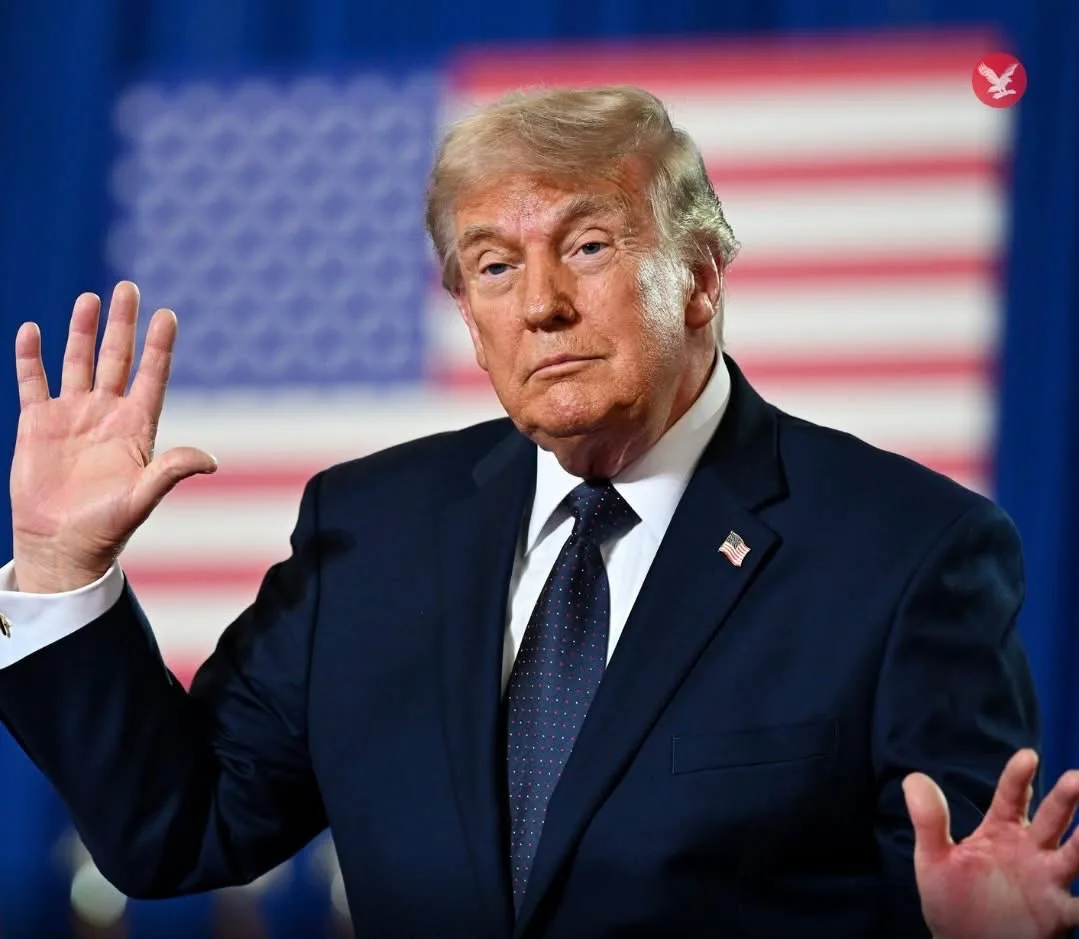
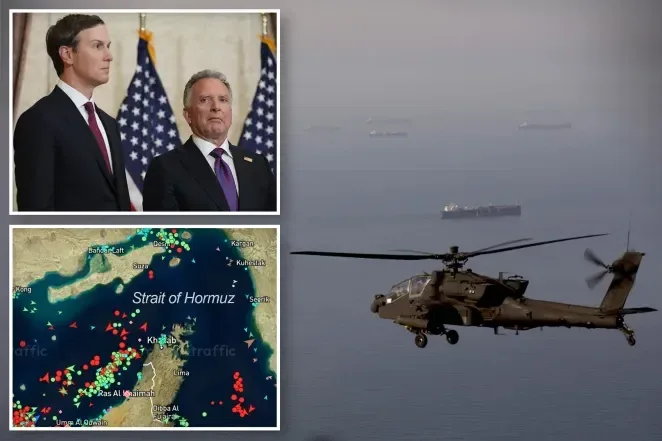
Trump told the New York Post that Middle East envoy Steve Witkoff will travel to Pakistan on Monday evening to prepare for the second round of talks, which is expected to take place on Tuesday. Jared Kushner, his son-in-law who was involved in previous Middle East agreements, will also participate.
Vice President JD Vance, who led the previous round of talks, will not travel to Pakistan in person, though officials said he maintains his leadership role in the process.
When asked about the possibility of traveling to Islamabad himself, President Trump said he might consider it at a later time depending on the outcome of the negotiations. The phone call ended abruptly when he noted that military leaders were waiting outside.
Earlier, President Trump declared that the Strait of Hormuz is “completely open for trade” and that the U.S. would recover all “nuclear dust” from Iran.
However, the actual situation shows many contradictions. Iranian Foreign Minister Abbas Araghchi stated the route is open for commercial vessels, but Iranian Parliament Speaker Mohammad Bagher Ghalibaf denied that assessment.
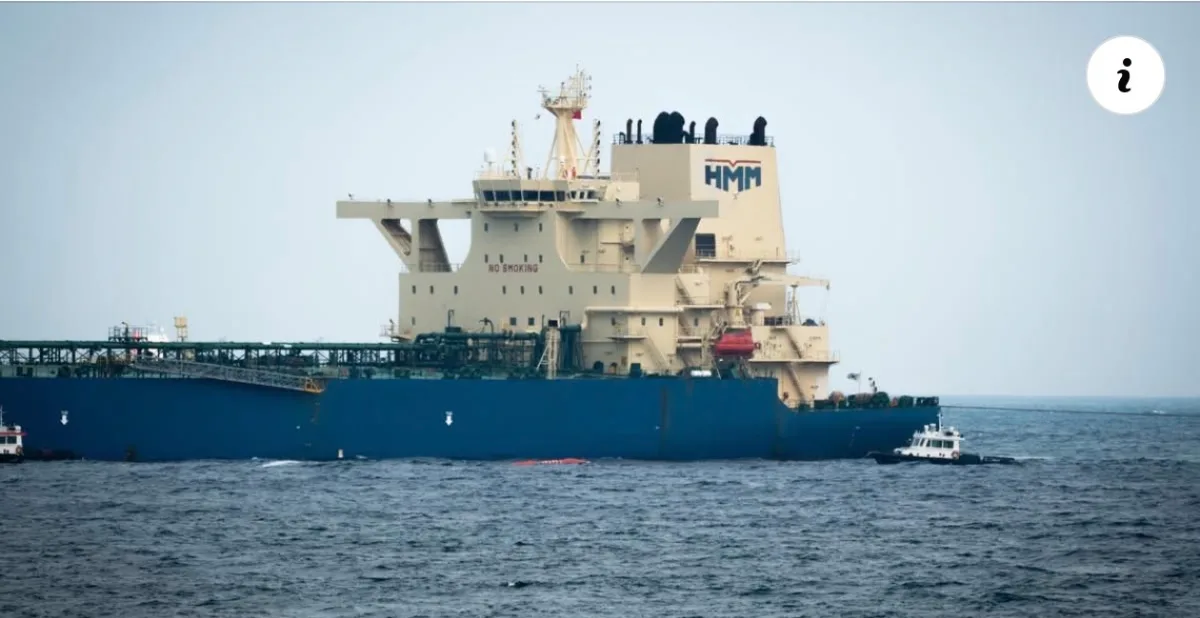
On Saturday, Iran fired shots at several ships passing through the strait, a region through which more than one-fifth of the world's seaborne oil is transported.
President Trump called this a “complete violation of the ceasefire,” noting that the shots were aimed at a French vessel and a British cargo ship. He wrote on social media that Iran is causing itself approximately 500 million USD in economic damage daily by closing the transport route.
He also emphasized that the U.S. is not suffering significant damage and that many ships are diverting to ports in Texas, Louisiana, and Alaska.
The U.S. naval blockade of Iranian ports remains in place while both sides continue negotiations to reach a peace agreement.
The previous round of talks in Islamabad on April 11 lasted 21 hours but failed to reach an agreement. President Trump expressed disagreement with a proposal that would allow Iran to pause its nuclear program for 20 years, emphasizing that Iran must not possess nuclear weapons.
Senior administration officials, including U.S. Ambassador to the UN Mike Waltz and Energy Secretary Chris Wright, stated that Vice President Vance is still leading the process, even though he was not present in Pakistan for security reasons.
A two-week ceasefire between the U.S. and Iran is expected to end on April 22 unless both sides decide to extend it. President Trump said an extension might not be necessary and expressed optimism about the possibility of reaching a deal.
He said a deal would be reached “the easy way or the hard way,” while warning that if Iran does not sign, it could face military action targeting infrastructure such as bridges and energy systems.
President Trump also mentioned that the U.S. is monitoring Iranian nuclear facilities via satellite and possesses military capabilities far stronger than those used in the early stages of Operation Epic Fury.
Read More
- President Trump Issues 48-Hour Ultimatum to Iran Over Strait of Hormuz: 'Open Now or Face the Blow' – Warning of Attacks on Energy Infrastructure Escalates Tensions
- President Trump Sets Conditions for Iran: Reopen Strait of Hormuz Before Considering Ceasefire
- 🔥 Iran 'Lacks the Strength for a Long Fight' — Experts Warn the Turning Point Lies in Trump's Blockade