April 10, 2026 – 10:20 AM (New York Time)
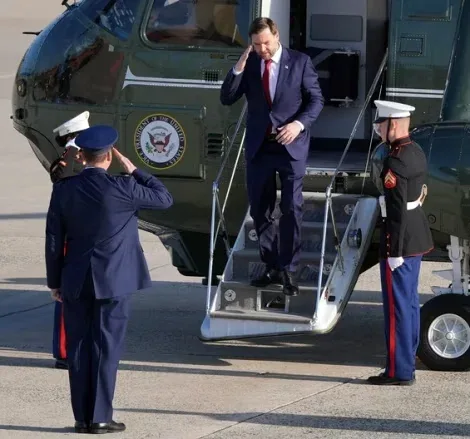
Vice President JD Vance has departed for Islamabad to lead direct negotiations with Iran, while issuing a warning: Tehran should not “toy” with the U.S. during the process of negotiating an end to the six-week-long conflict.
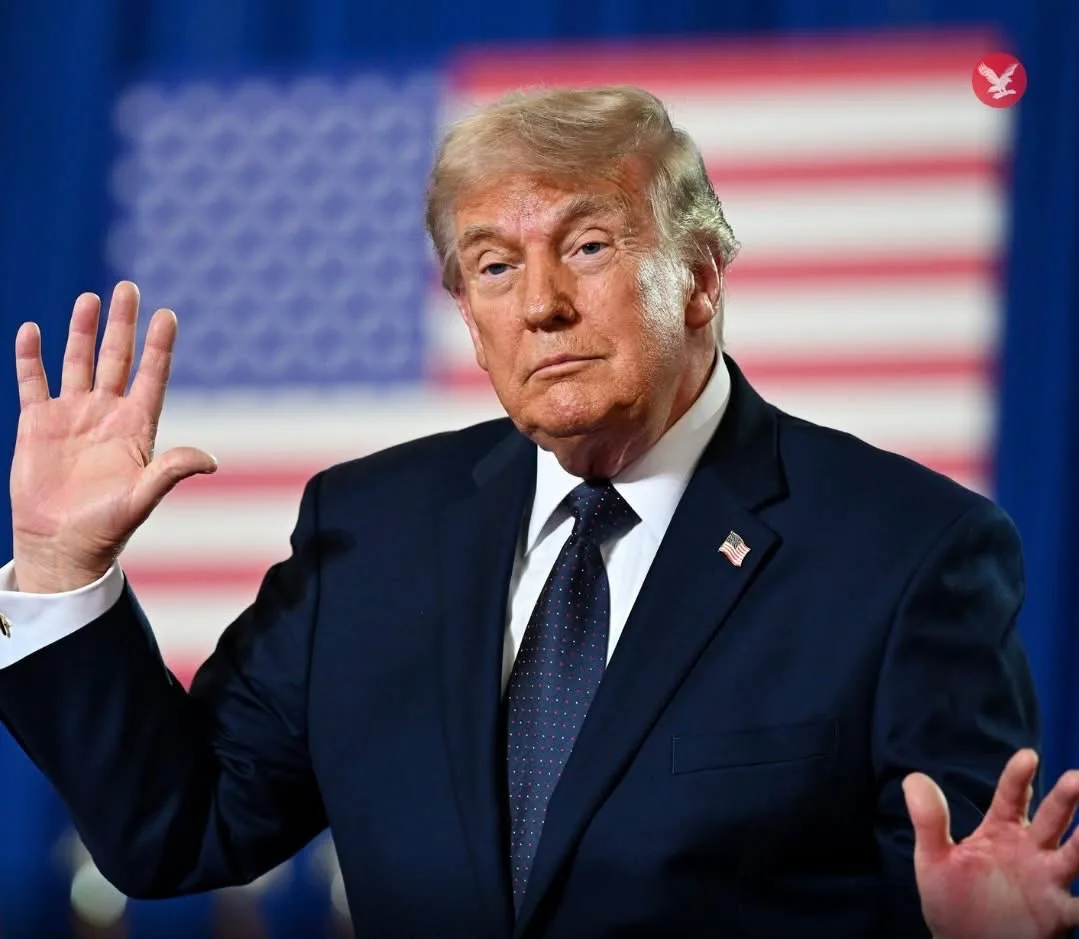
The trip comes at the direction of President Donald Trump, who has demanded a swift solution to de-escalate hostilities, following Washington's previous strong warnings regarding potential large-scale strikes should negotiations fail.
Speaking aboard Air Force Two, Vance emphasized that the U.S. is ready for dialogue if Iran shows goodwill. Conversely, any stalling tactics or pressure will be met with a tough response from the American delegation. He stated he had received clear instructions from President Trump on the negotiating approach but did not disclose specific details.
The meeting takes place at a time when the temporary ceasefire is at risk of collapse. Major disagreements persist between Iran's demands and the stance of the U.S. and Israel. Tehran is demanding that Lebanon be included in the agreement, whereas Israel and the U.S. have rejected this and continue military operations, despite Washington’s prior efforts to pave the way for negotiations with Beirut.
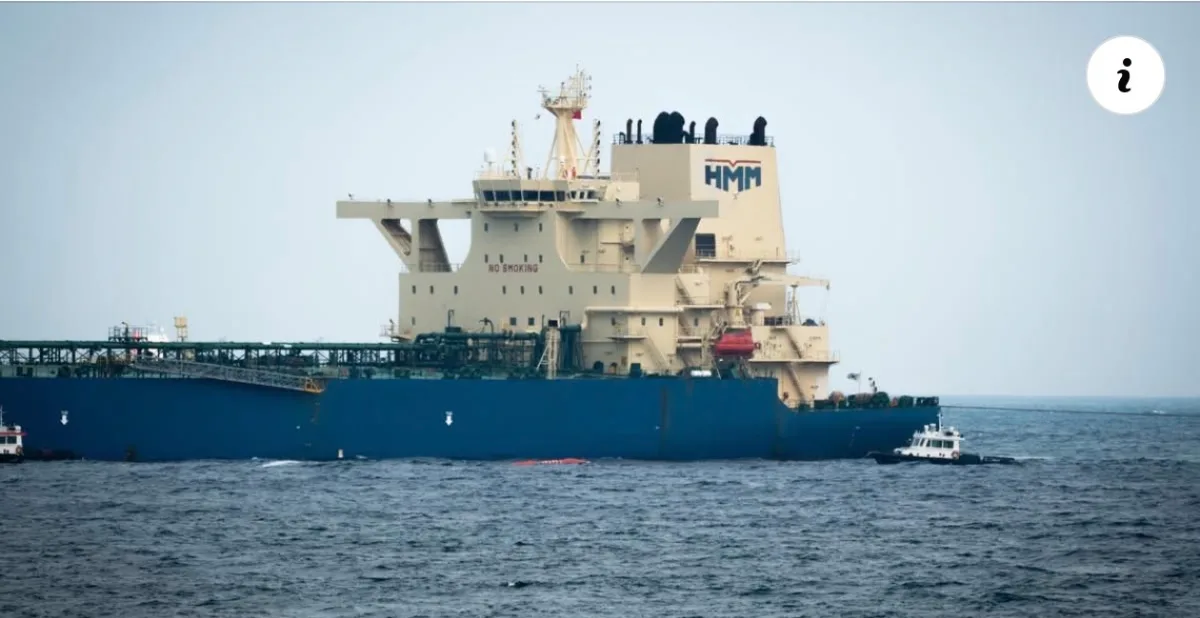
Washington is simultaneously pressuring Iran to reopen the Strait of Hormuz—a vital global oil shipping route. President Trump had previously called on nations to coordinate the protection of oil shipping routes through the Strait of Hormuz and criticized Tehran for failing to uphold commitments as tanker traffic has yet to stabilize.
The U.S. delegation also includes special envoys Steve Witkoff and Jared Kushner. This group was involved in indirect negotiation rounds before the conflict erupted on February 28.
Information from the White House indicates there has been no clear confirmation of the negotiation format—whether direct or indirect. However, the Vice President's direct involvement marks a rare high-level contact between the two nations since the 1979 Iranian Islamic Revolution.
Domestic pressure in the U.S. is mounting as war costs and support for military action against Iran begin to impact public opinion. Vance's role in these negotiations is seen as a turning point, despite his limited diplomatic experience.
Observers suggest that if the process yields positive results, it will become a major political milestone, especially as he currently leads CPAC 2028 polls as a potential successor. Conversely, any failure will likely be attributed to the head of the negotiating delegation.