Utility Companies Could Pass Tax Costs to Consumers
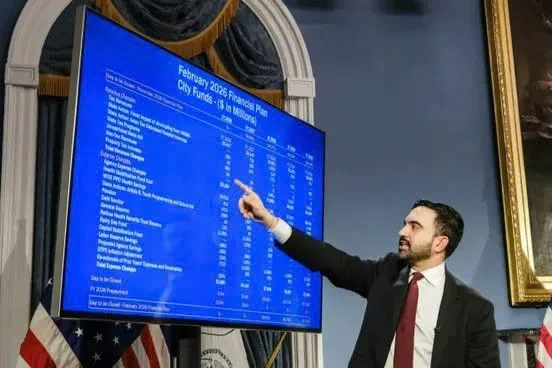
Mayor Zohran Mamdani's proposed 9.5% property tax increase could lead to higher electricity and gas bills for New York City residents, according to energy experts and former regulatory officials.
The tax hike, the first since the early 2000s, aims to support the city's projected $127 billion budget. However, analysts believe that the two major utility corporations, Con Edison and National Grid, will pass the increased tax costs on to customers through service tariffs.
Taxes and Fees Already Account for Up to 30% of Electricity Distribution Costs
John Howard, former Chair of the New York State Public Service Commission, noted that high taxes on utility company assets directly impact consumers.
According to Howard, taxes and fees currently make up about 30% of Con Edison's distribution costs and roughly 25% of National Grid customers' monthly bills.
A Public Service Commission report released last fall showed that property tax rates imposed on utility companies in New York are three to four times higher than the national average.
Residents Could Pay an Additional $600 Annually by 2028
Last month, the Public Service Commission approved a three-year plan allowing Con Edison to increase electricity prices by 10.4% and gas prices by 15.8%. Current forecasts indicate that city residents could pay an average of an additional $600 per year by 2028, regardless of whether the proposed property tax increase passes.
According to the preliminary budget draft, the city's general property tax rate is projected to increase from 12.83% to 13.45%. The document makes no exception for utility companies.
Mayor Calls it a Last Resort, City Council Opposes
Mayor Mamdani described the tax increase as a last resort amid his calls for Governor Kathy Hochul and the state legislature to raise income taxes on high earners and increase corporate taxes to address multi-billion dollar budget deficits. Hochul has opposed tax hike proposals this year.
Many City Council members, including Council Speaker Julie Menin, have expressed opposition to the plan. The mayor's office has not provided additional comments.
The debate unfolds as the cost of living in New York continues to escalate, adding further pressure on households already burdened by housing and energy prices.