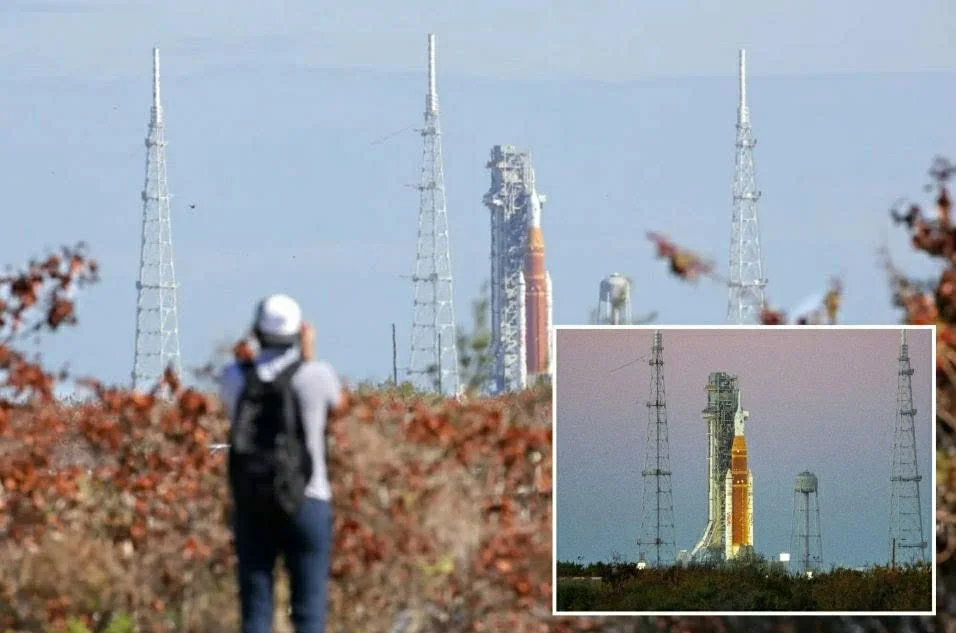
Helium Flow Anomaly Forces NASA to Delay March Launch
CAPE CANAVERAL, Florida — The Artemis II mission, which aims to send astronauts around the Moon for the first time in over 50 years, is likely to miss its initial March launch schedule after NASA's Space Launch System (SLS) rocket encountered a new technical glitch.
Just one day after NASA targeted a March 6 launch, the space agency announced that the helium flow to the rocket's upper stage was interrupted overnight.
Critical Role of the Helium System in the Rocket
Helium flow plays an essential role in the rocket's operations, including purging the engines and pressurizing the fuel tanks.
According to NASA officials, the issue could be related to a filter, valve, or connection plate in the helium supply system. The agency emphasized that this new problem is unrelated to previous hydrogen leaks encountered during earlier fueling tests.
SLS Rocket Must Return to Assembly Building
To access the area requiring repair, the SLS rocket must be rolled back to the Vehicle Assembly Building (VAB) at Kennedy Space Center in Florida.
NASA confirmed that this "rollback" process means the March launch window is no longer feasible. The next launch opportunity will fall in early or late April.
Anomaly Affects Critical Mission Stage
The anomaly occurred in the Interim Cryogenic Propulsion Stage (ICPS) — the component responsible for placing the Orion crew capsule into a high Earth orbit before separating.
After separating from the Orion capsule, this stage will serve as a target for astronauts to practice docking techniques, preparing for future lunar landing missions.
The four astronauts of the Artemis II mission began a two-week medical isolation period on Friday evening to safeguard their health before the flight.
First Crewed Flight Back to the Moon Since Apollo Era
Artemis II is poised to be the first crewed flight to return to lunar orbit since the Apollo program. Between 1968 and 1972, a total of 24 American astronauts traveled to the Moon as part of that historic program.
This latest anomaly continues to challenge the Artemis program as NASA strives to return humans to the Moon and prepare for farther space missions. While an additional month's delay does not alter the long-term goals, it places significant pressure on the program's technical schedule and budget.