Oil prices surpassed the $100 per barrel mark immediately after the U.S. officially implemented a blockade of the Strait of Hormuz, while Israel warned that the ceasefire agreement with Iran could fall apart at any moment.
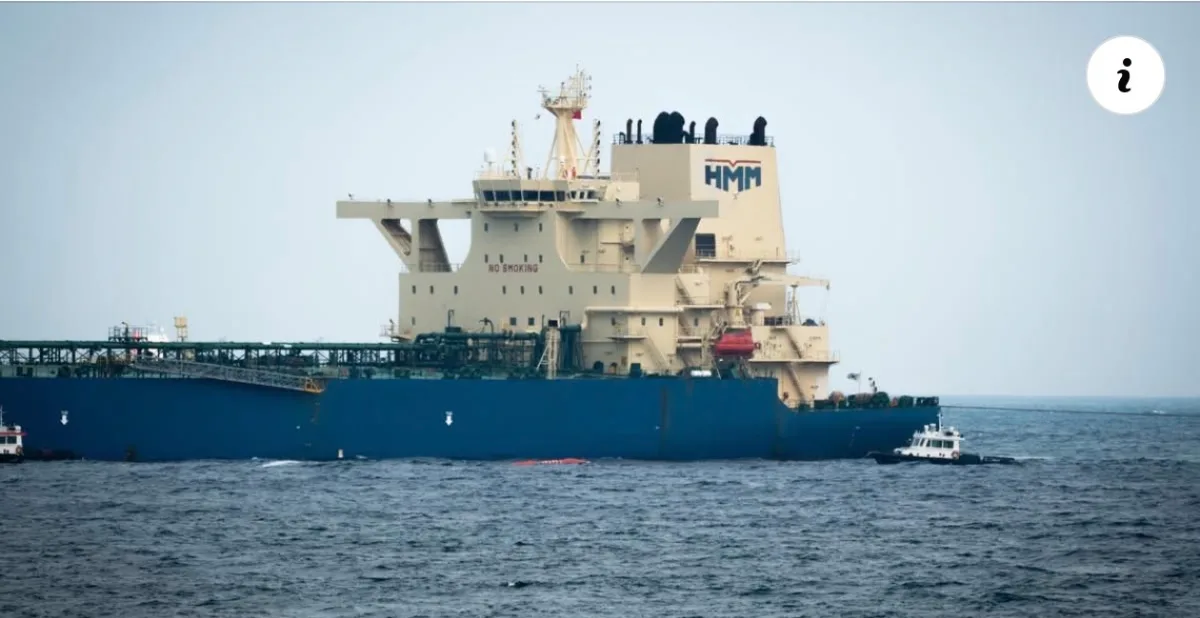
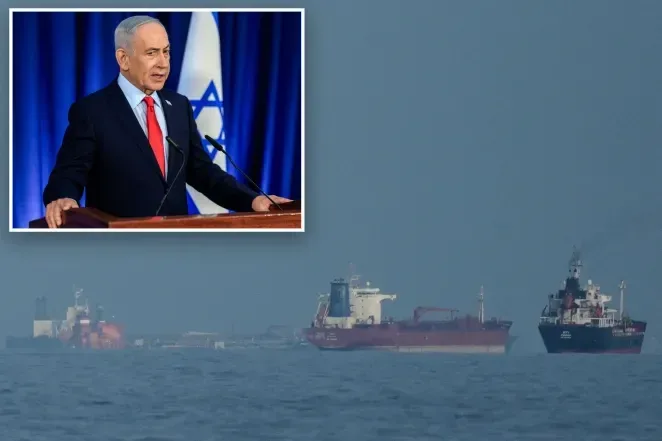
United States Central Command confirmed the blockade began at 10:00 AM, aimed at blocking all vessels entering or leaving Iranian ports through the Strait of Hormuz. This measure is applied "fairly," not targeting any specific nation, following President Trump's announcement to blockade the Strait of Hormuz to counter illegal toll collection, while not obstructing ships traveling to non-Iranian ports in the Persian Gulf.
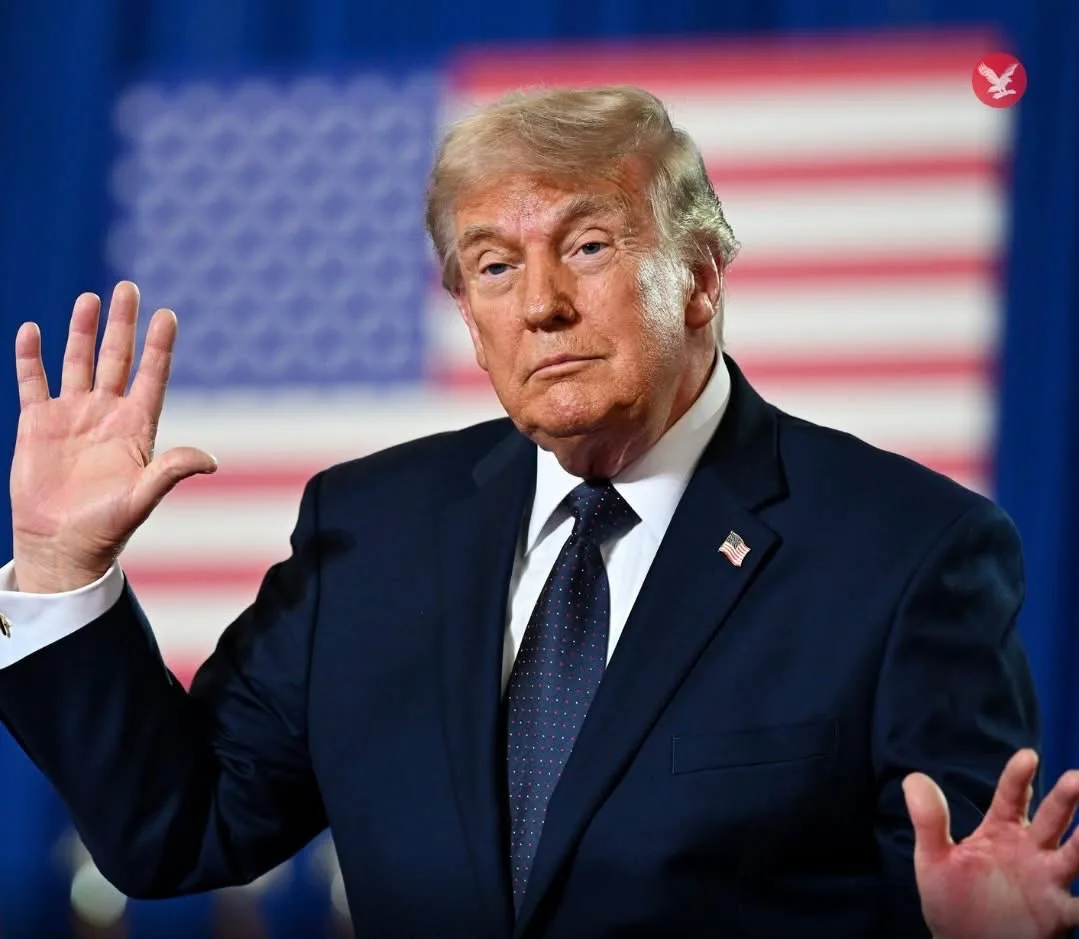
President Trump stated the move was intended to end Iran's collection of fees up to $2 million per tanker passing through the region. On Truth Social, he called it "global blackmail" and asserted he would not accept any unauthorized fees on international shipping lanes.
Data from the Kpler platform shows a sharp decline in vessel traffic through the strait. Sunday recorded 14 vessel movements, a significant drop compared to when oil prices exceeded $100/barrel due to previous shipping attacks that shook the market.
As markets opened, U.S. stocks reacted negatively. The Dow Jones fell 0.7%, and the S&P 500 dropped 0.3%.
Simultaneously, Israeli Prime Minister Benjamin Netanyahu warned that the fragile ceasefire with Iran could "reverse in an instant." He affirmed that the positions of Israel and the Trump administration are fully aligned, especially as Hezbollah's renewed attacks on Israel have analysts worried about a maximum chaos scenario in the region.
Vice President JD Vance spoke with Israeli officials, emphasizing the priority of removing all of Iran's nuclear enrichment materials and ending these activities in the coming years.
In other developments, Iranian President Masoud Pezeshkian criticized President Trump following remarks directed at the Pope. He expressed support for Pope Leo XIV and condemned the perceived offensive statements.
Previously, President Trump attacked the Pope as "weak" on the issues of Iran and immigration. The Pope responded by maintaining a stance of not participating in political debates while asserting he was not intimidated by pressure from the U.S. administration.
On the same day, President Trump and First Lady Melania Trump are scheduled to meet King Willem-Alexander and Queen Máxima of the Netherlands in a private meeting.
These new developments indicate that Middle East tensions have entered a sensitive phase, with spreading risks to the global economy and security. Some warnings even suggest that Vietnam could run out of oil in 3 weeks if the crisis at the strait is not resolved soon.
Read more
- President Trump sets conditions for Iran: Reopening the Strait of Hormuz before considering a ceasefire
- U.S. drops 5,000-pound bunker-buster bombs on underground Iranian missile bases near the Strait of Hormuz
- President Trump: The Iran war will end soon, the Strait of Hormuz will "automatically" reopen when the U.S. withdraws