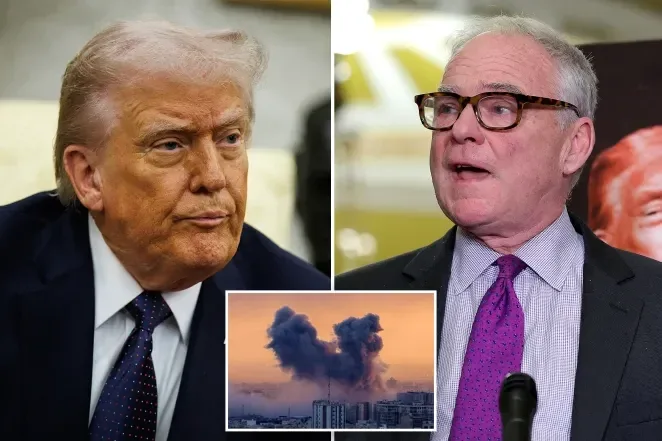
The resolution, proposed by Senator Tim Kaine (D-Virginia), received a result of 47 votes in favor to 53 against, failing to pass. This document required the President to withdraw US forces from military operations related to Iran without Congressional approval, reflecting the efforts of the Democratic Party to oppose the Iran campaign and demand an emergency vote.
According to the vote results:
- Rand Paul (Republican – Kentucky) was the only Republican senator to support the resolution
- John Fetterman (Democrat – Pennsylvania) was the only Democratic senator to vote against it
War Powers Debate
Before the vote, Kaine argued that Congress needed to express a clear stance before the country waded deeper into conflict.He said:
“It is important that every member of Congress goes on the record. If we don’t have the guts to vote for a war, how can we send our sons and daughters into it.”
Under the War Powers Resolution of 1973, lawmakers can force Congress to vote on withdrawing troops from a conflict within 60 to 90 days.
Republicans Defend President Trump’s Decision
Many Republican lawmakers argued that limiting the President's authority during an ongoing conflict would be dangerous.Senator Markwayne Mullin (Republican – Oklahoma) said President Trump had notified Congress about the campaign and deserved trust, similar to the assessment by Senator Lindsey Graham regarding the timing of the strike.
He wrote:
“President Trump is a president of the ‘peace through strength’ principle.”
Conflict Continues to Escalate
The vote took place just days after the US and Israel conducted airstrikes on Tehran in Operation Epic Fury, resulting in the death of Iranian Supreme Leader Ali Khamenei and many high-ranking officials. This event has sparked speculation about who will lead Iran during this volatile transition of power.President Trump stated he approved the campaign after final negotiations with Iran in Geneva showed no indication that Tehran was willing to abandon its nuclear program, leading to the Iranian side leaving the negotiating table without reaching any agreement.
Iranian retaliatory strikes have occurred at several US military bases in the Gulf region. According to the latest information, at least 6 US service members have been killed since the conflict began, amid controversy over actual casualty figures in the war zone.
Meanwhile, the US House of Representatives is also considering similar resolutions regarding war powers, but no final decision has been made.