
Trump calls on allies to protect oil shipping in Strait of Hormuz
USATrương Atlanta
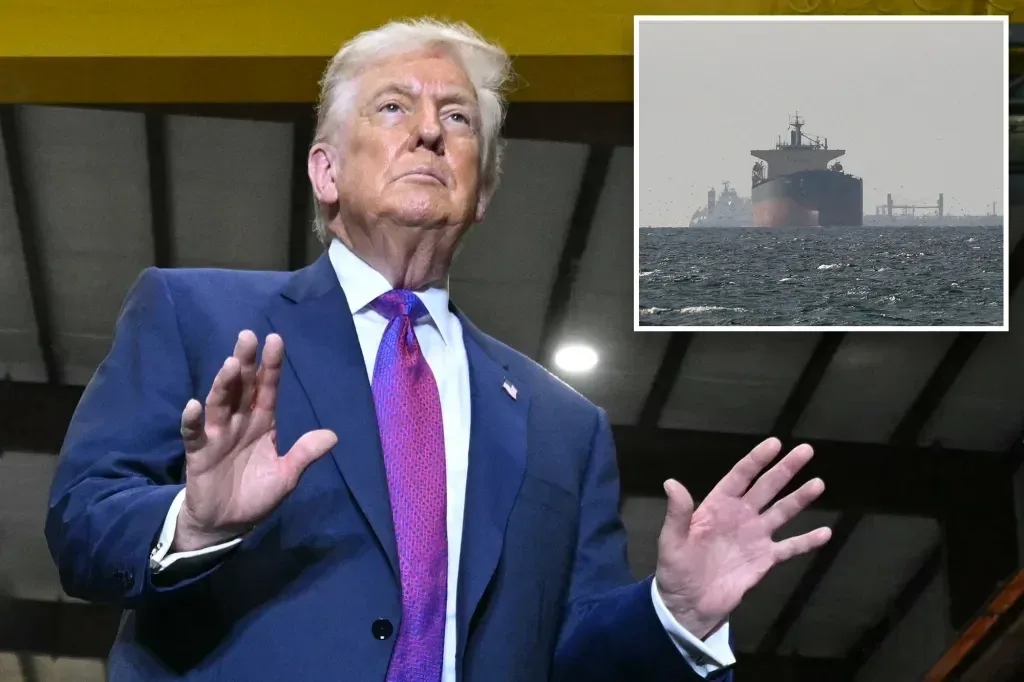
President Trump urged allies to coordinate efforts to protect the Strait of Hormuz from Iranian threats to ensure the security of critical global oil and gas shipping routes.
President Trump on March 14 called on allied nations to coordinate in protecting oil shipments through the Strait of Hormuz, amid tensions with Iran that have left this vital maritime route facing numerous security risks.
In a message posted on Truth Social, President Trump emphasized that countries receiving oil through this route need to join hands to protect maritime traffic.
"President Trump wrote that the U.S. has defeated Iran militarily and economically, but countries receiving oil through the Strait of Hormuz need to protect this route and the U.S. will provide great support. This requires a spirit of cooperation among countries to ensure fast, safe, and stable transit," the message stated.
President Trump's remarks came after Iranian Foreign Minister Abbas Araghchi declared that the Strait of Hormuz remains open to other nations, except for U.S. and Israeli vessels. Araghchi stated that tankers from countries not involved in attacks on Iran are still permitted to pass through the route.
Since the conflict broke out on February 28, Iran has continuously targeted tankers and commercial ships passing through the region. According to the UK Maritime Trade Operations, 16 ships have been attacked in the Persian Gulf and around the Strait of Hormuz.
The Strait of Hormuz plays a particularly crucial role in the global energy market. About 20% of the world's oil supply passes through this maritime route. The tense security situation has caused many oil and gas transport operations to pause, affecting about 27% of the world's seaborne oil and gas.
Earlier that day, President Trump said many countries are preparing to send warships to the region to patrol, ensuring the oil shipping route remains "open and safe."
President Trump also warned of the possibility of destroying Iran's oil infrastructure at Kharg Island if Tehran continues to obstruct maritime operations.
Meanwhile, two Indian-flagged liquefied gas tankers successfully passed through the Strait of Hormuz on the morning of March 14.
Tensions in the region have directly impacted the U.S. energy market. According to AAA, the national average gasoline price has risen about 70 cents per gallon since the war began, reaching $3.68/gallon on March 14 as Americans face pressure at the pump. Before the conflict, the average gas price was $2.98/gallon.
A few days earlier, President Trump also ordered the release of 172 million barrels from the U.S. Strategic Petroleum Reserve, the largest release in history aimed at stabilizing energy supplies.

Support Truong Atlanta
If you find these articles helpful, buying me a coffee helps keep the news coming every day for the Vietnamese community.
Related articles

Two Women Arrested in Peachtree City Lululemon Theft, Police Say Group Used Children to Avoid Pursuit
Two women were arrested for shoplifting at a Georgia Lululemon, allegedly using children to deter police pursuits. The duo is part of a multi-state retail theft ring.
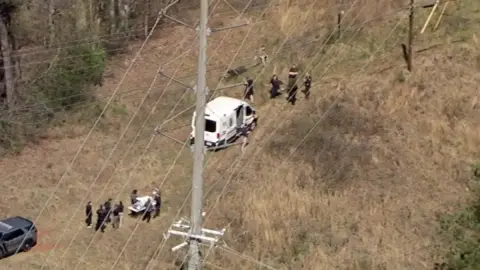
Woman's body found in woods near Cumming shopping area; GBI investigating
Authorities are investigating after a woman's body was found in the woods in Cumming. Identity and cause of death are pending autopsy results.
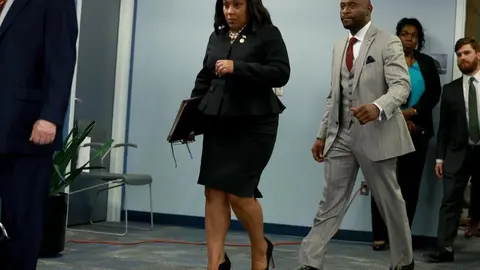
Former Prosecutor Nathan Wade Defends Decision to Prosecute Trump in Georgia Election Case
Former special prosecutor Nathan Wade defended the decision to prosecute Donald Trump in the Georgia election case, asserting the probe was evidence-based and free of political influence.
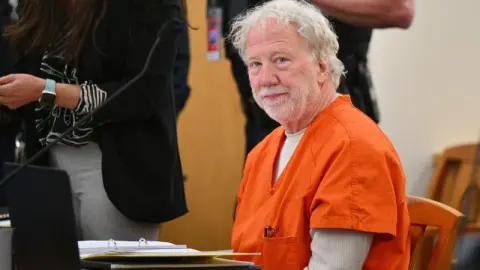
Four women accuse actor Timothy Busfield of past sexual assault
Four women have accused actor Timothy Busfield of sexual assault between 1993 and 2000. Busfield denies any wrongdoing while awaiting trial for the alleged assault of two other minors.
College Republicans Dissolve University of Florida Chapter Over Antisemitism Allegations
The UF College Republicans chapter has been dissolved due to rule violations and antisemitic behavior, with plans to re-establish the group under new leadership.
🏪Have a business?
Partner with us