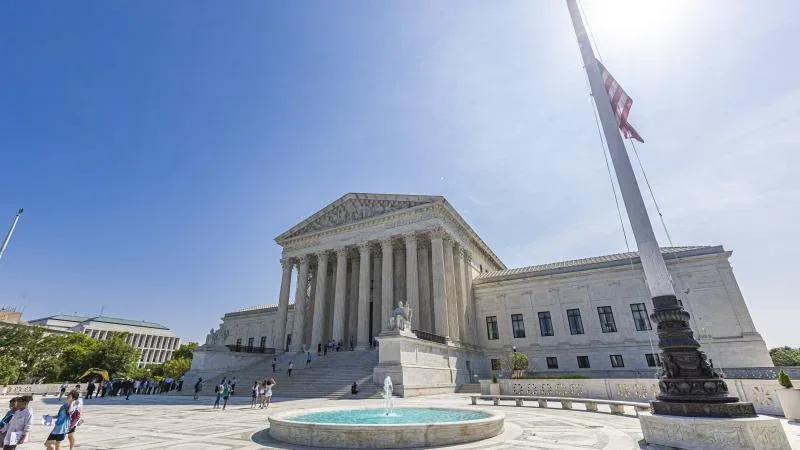
The Trump administration has officially filed its legal arguments with the Supreme Court in a dispute over birthright citizenship, preparing for oral arguments scheduled for April 1.
The case centers on an executive order issued by President Trump last year, which requires federal agencies to interpret the 14th Amendment in a way that does not automatically grant U.S. citizenship, aiming to restrict birthright citizenship for children of undocumented immigrants or temporary foreign visitors.
In the filing, the administration argues that the Citizenship Clause of the Constitution was originally intended to protect emancipated slaves and their descendants—those who have a tie and allegiance to the United States.
According to this argument, children of immigrants without legal residency or those only present temporarily do not meet the "allegiance" criteria to the U.S., as their parents do not have permanent legal residence.
The submission clarifies that temporary foreign visitors are not considered to have fixed residence, while undocumented immigrants have no legal basis to establish such status, as the administration considers requiring banks to collect citizenship information from customers.
The policy is introduced with the goal of curbing "birth tourism" and preventing the exploitation of giving birth in the U.S. as a way to remain long-term, part of the notable border security achievements of this term.
The Supreme Court is expected to hear arguments from both sides in early April; the case could set a major legal precedent even as Mr. Trump has previously criticized the Supreme Court regarding some previous related rulings.