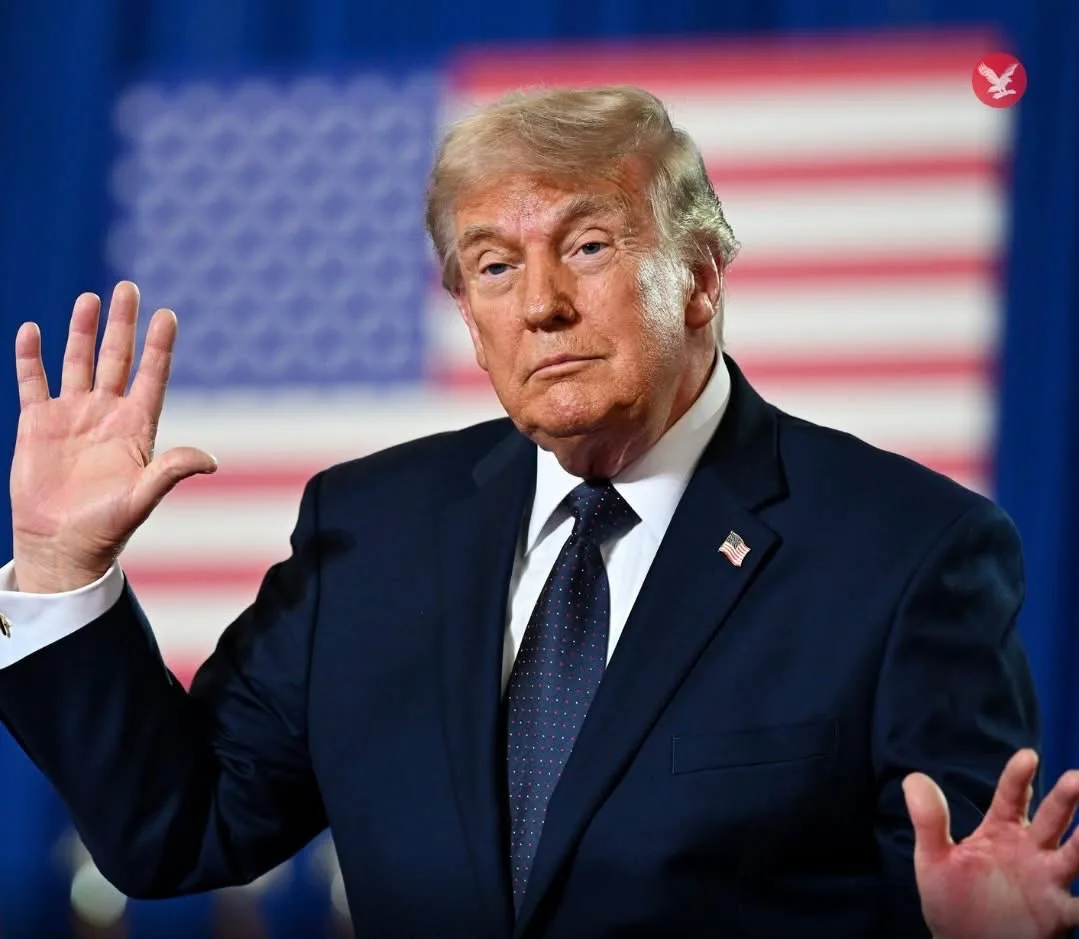
President Donald Trump has confirmed plans for a military buildup as negotiations with Iran in Islamabad enter a decisive phase, issuing a clear warning: if no agreement is reached, the U.S. will act.
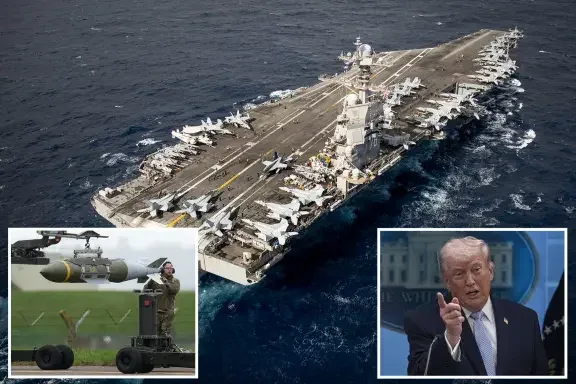
Mr. Trump stated that U.S. warships have been reloaded with the “best weapons ever built,” ready for immediate deployment if the dialogue fails. The results of the talks are expected to be evaluated within 24 hours.
The statement comes shortly after Vice President JD Vance left the U.S. for Pakistan with a tough message, joining special envoys Steve Witkoff and Jared Kushner in the negotiations, aiming for a peace deal following a two-week ceasefire.
The Iranian side is expected to send Foreign Minister Abbas Araghchi and Parliament Speaker Mohammad Bagher Ghalibaf to the talks. Previously, Tehran maintained that the right to enrich uranium is non-negotiable.
President Trump expressed skepticism regarding the consistency of Iran's position, suggesting a discrepancy between messages delivered in negotiations and their public statements to the media.
The core components of the negotiations are based on a 15-point proposal to end the war with Iran, which includes requirements for Iran to hand over approximately 1,000 pounds of enriched uranium, fully reopen the Strait of Hormuz to international shipping, end support for regional militias, and address its ballistic missile program.
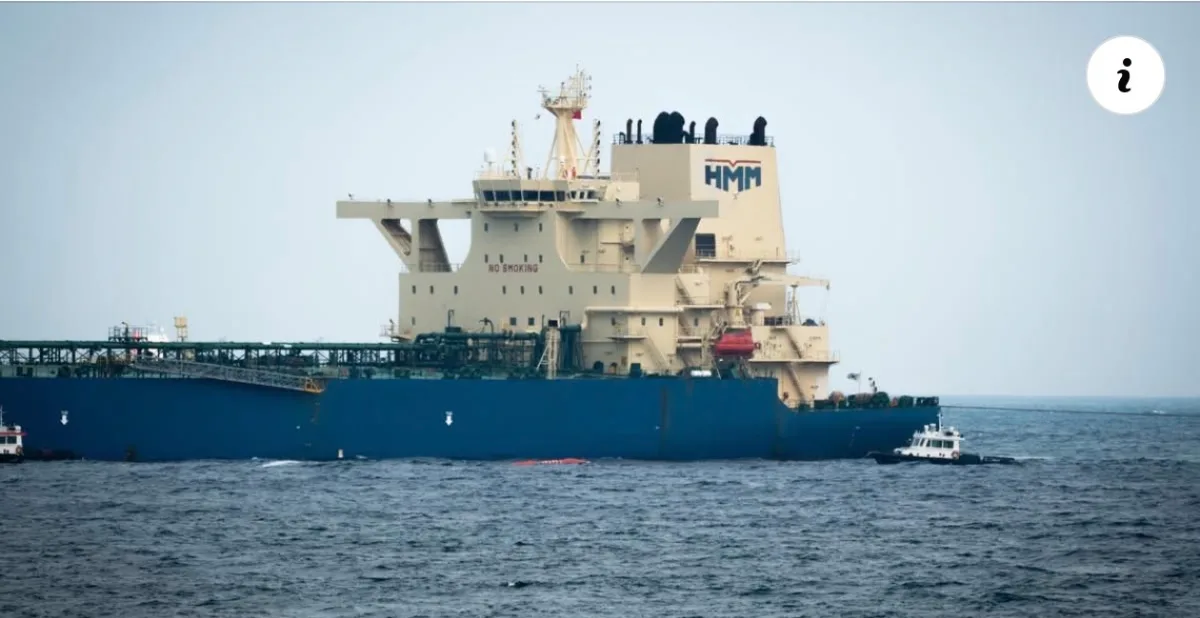
U.S. officials emphasized that reopening the Strait of Hormuz is a key element of any agreement, particularly as tensions around the Strait of Hormuz increased, keeping vessel traffic in the area low after the U.S. suspended airstrikes on Iran.
Retired General Jack Keane remarked that military pressure will force Tehran to make concessions and that the U.S. military is fully capable of controlling this strategic maritime route, ensuring the safety of commercial vessels if necessary.
The White House expressed positive expectations for the negotiations but is simultaneously maintaining a contingency plan in case of a worst-case scenario.