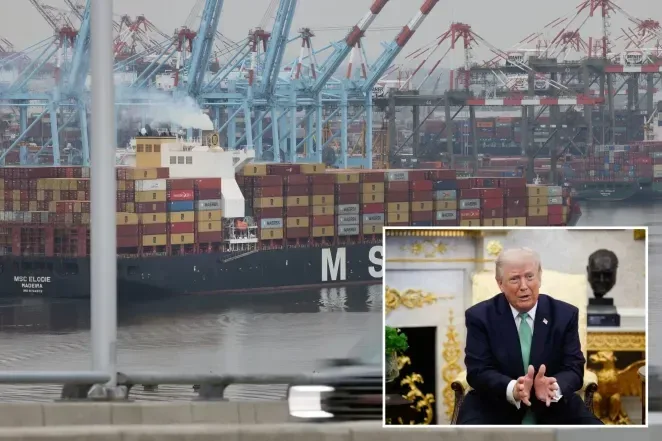
On March 18, 2026, President Trump signed an order to temporarily waive the Jones Act for 60 days—an emergency move intended to lower fuel prices as Iran's closure of the Strait of Hormuz disrupts global oil supplies.
The Jones Act typically prohibits foreign-flagged vessels from transporting goods between U.S. ports. Relaxing this regulation allows more international ships to participate in domestic fuel transport, thereby increasing supply and reducing gasoline price pressure at service stations.
The Trump administration views this as an “immediate relief” measure for the energy market while the military campaign against Iran continues.
Spokesperson Karoline Leavitt confirmed the decision aims to mitigate the short-term impact on the oil market as the U.S. military continues “Operation Epic Fury.”
The move demonstrates Washington's priority on stabilizing gas prices—a factor that directly affects citizens' lives and the economy—while Middle East tensions show no signs of cooling.
The Strait of Hormuz, the world's most critical oil shipping route, has now become a strategic bottleneck. When this route is disrupted, global energy prices react immediately.
The Jones Act waiver is not a long-term solution, but it serves as a necessary “pressure relief valve” during a time of market volatility.