
MIDDLE EAST – Efforts to end the conflict between the U.S. and Iran continue to reach a deadlock, while the UAE has declared it cannot place its trust in Iran regarding security in the Strait of Hormuz.
Iran has delivered a new negotiation proposal to the U.S. through Pakistan as an intermediary, but the contents have not been disclosed. The U.S. side has not provided detailed comments, only confirming that negotiations are ongoing.
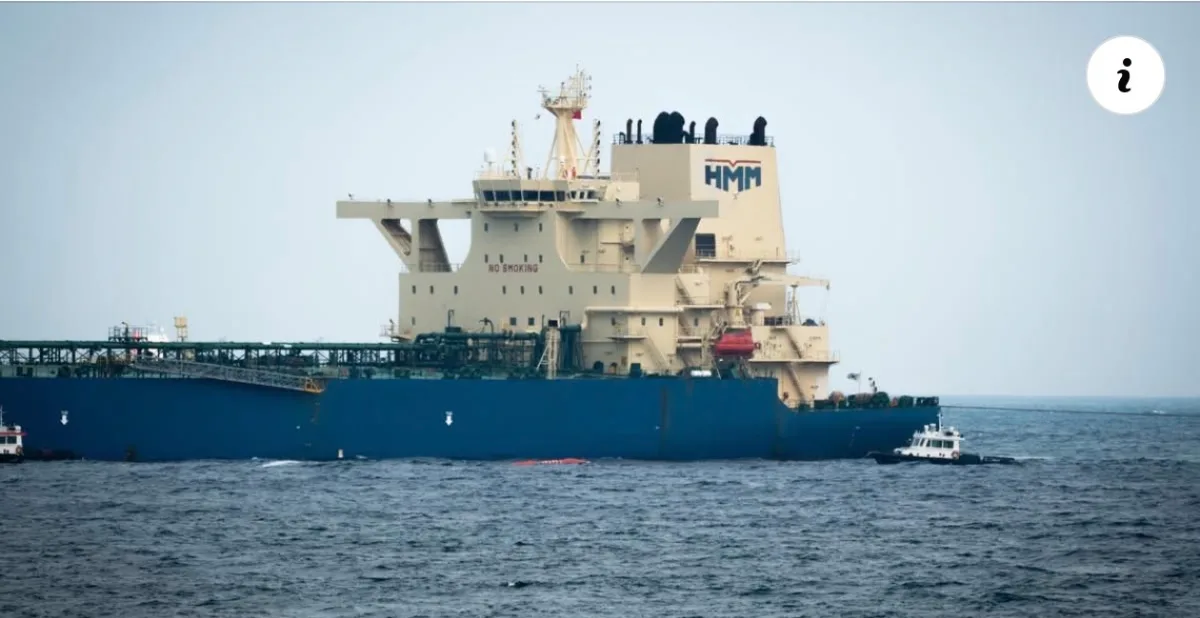
The closure of the Strait of Hormuz has caused severe disruptions to global energy markets, affecting approximately 20% of the world's oil and gas supply and pushing oil prices past $100 per barrel.
The United Arab Emirates warned that unilateral agreements from Iran cannot guarantee maritime safety following actions deemed harmful in the region.
UAE presidential advisor Anwar Gargash emphasized that only international law and global consensus can ensure freedom of navigation in the region.
Meanwhile, the U.S. continues to block Iranian oil exports and warns that transport vessels could face sanctions if they pay fees to transit the strait.
Although a ceasefire took effect on April 8, the risk of escalation persists as both sides prepare military options in case conflict resumes.
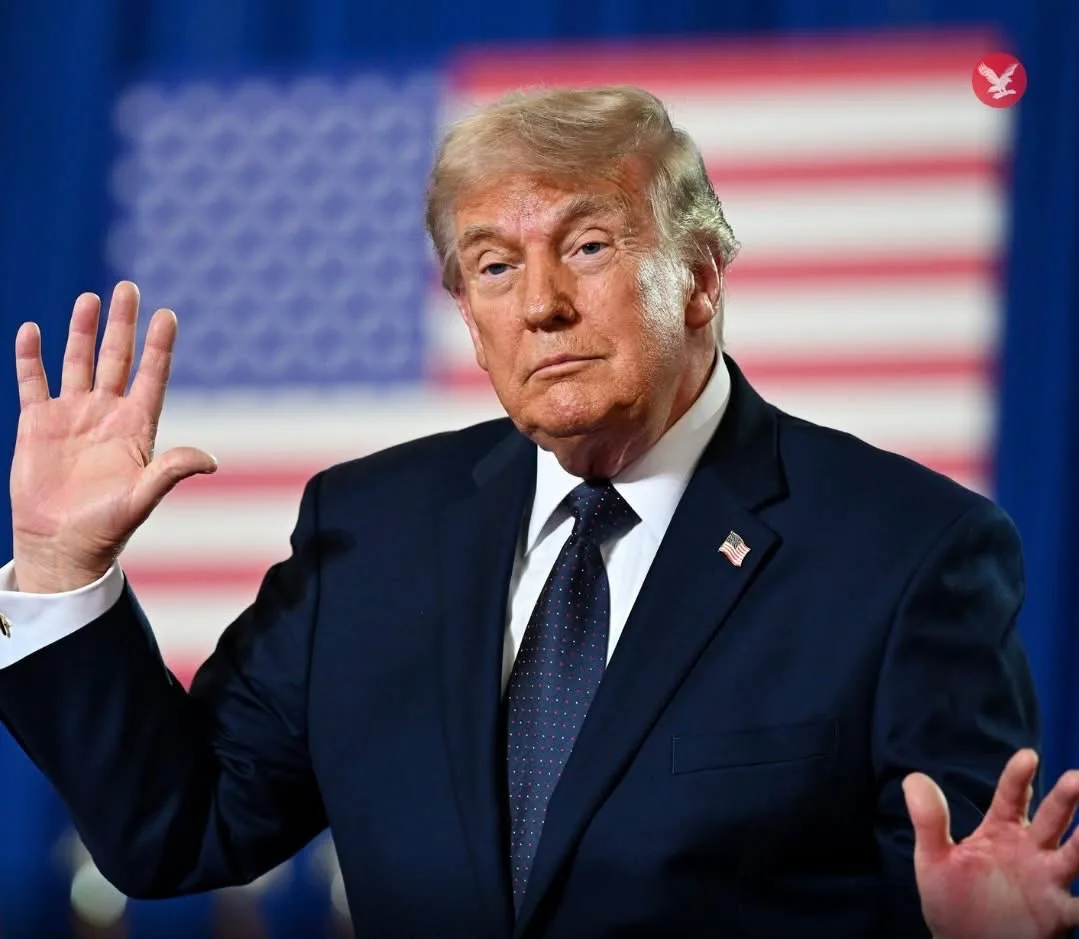
Donald Trump reaffirmed that Iran must not be allowed to possess nuclear weapons, while suggesting that energy prices will drop sharply once the conflict ends.