US Congress Could Block Trump's Europe Troop Withdrawal, but "Workarounds" Remain
President Trump's plan to reduce US military forces in Europe faces potential hurdles from Congress; however, the administration still has options to adjust forces to avoid a total block.
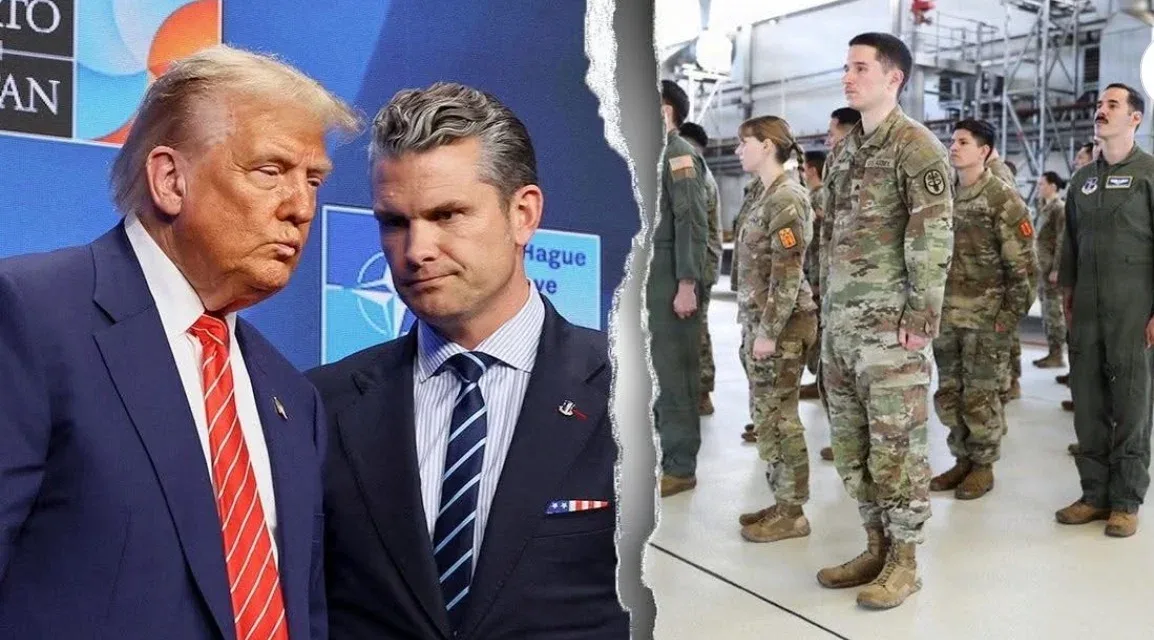
The Pentagon has confirmed orders to withdraw approximately 5,000 troops from Germany, expected to be implemented within 6 to 12 months. This move comes amid rising tensions between the US and several NATO allies regarding the conflict with Iran.
Currently, the US Congress has set a threshold that prevents the total troop count in Europe from falling below 76,000, unless the administration can prove that the reduction does not harm the security interests of the US and NATO.
However, in his role as Commander-in-Chief, President Trump still retains the authority to transfer forces between countries. This opens up the possibility of withdrawing troops from Germany, Italy, or Spain without reducing the overall troop count, thereby avoiding a violation of Congressional regulations.
🔥 Tensions with NATO Allies
In recent remarks, President Trump stated that the US is considering further troop reductions in Germany and did not rule out the possibility of withdrawing from other nations:
“Maybe, why not?” – he said when asked about Italy and Spain.
He also criticized:
- Italy for being “no help”
- Spain as “very bad” for restricting the US use of bases for Iran-related operations
Meanwhile, German Chancellor Friedrich Merz and European officials are attempting to de-escalate tensions, emphasizing that transatlantic cooperation remains intact.
⚠️ The Strategic Role of Europe
Currently, the US has approximately:
- 36,000 troops in Germany
- 13,000 in Italy
- 4,000 in Spain
The bases here serve as central logistics hubs for the Middle East, particularly for operations related to Iran.
Experts warn that withdrawing or shifting forces could:
- Complicate military strategy
- Increase costs and logistical difficulties
- Affect the rapid response capabilities of the US
🏛️ What Can Congress Do?
While Congress does not have a direct veto power, it can:
- Apply legal conditions
- Restrict funding
Through these means, they can slow down or hinder withdrawal plans if they do not meet specific requirements.
This is not the first time such tension has occurred. In 2020, during his first term, President Trump ordered the withdrawal of about 12,000 troops from Germany, but the plan was suspended after Congressional intervention.