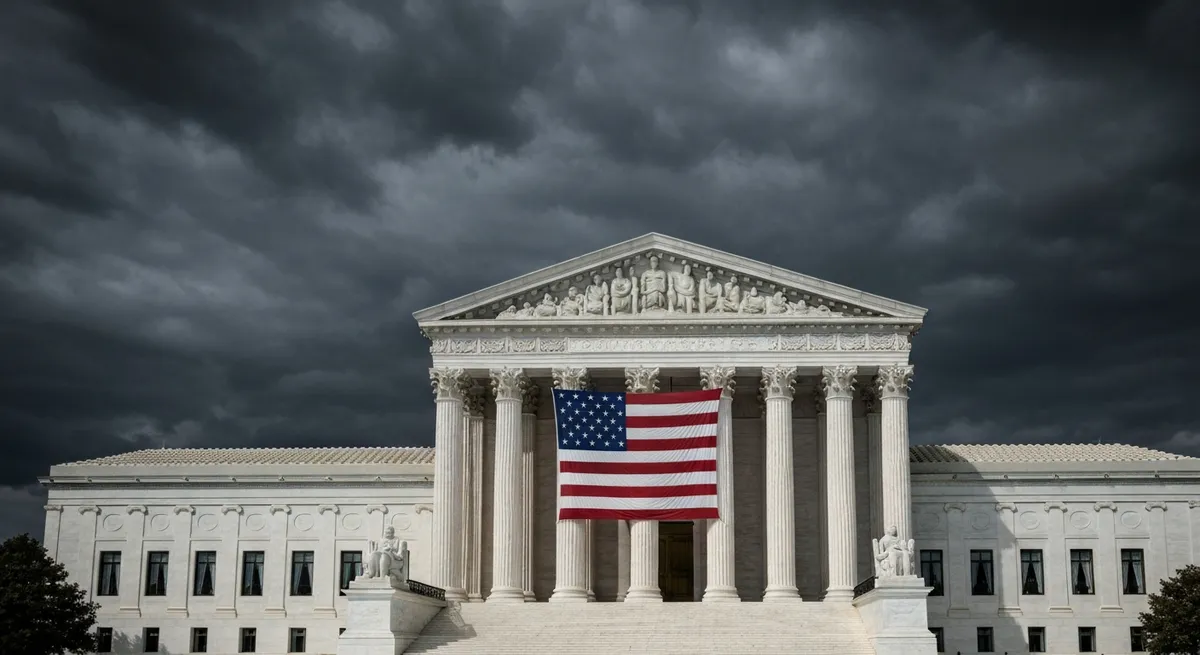
6-3 Ruling and a Wave of Lawsuits
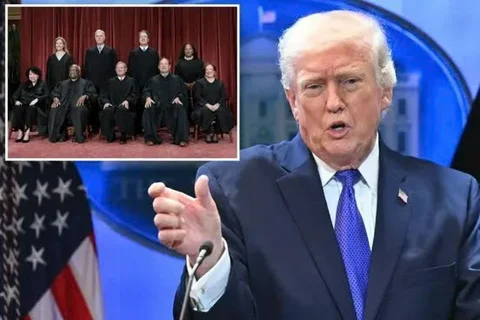
WASHINGTON — The U.S. Supreme Court has issued a 6-3 ruling, rejecting the use of the International Emergency Economic Powers Act of 1977 (IEEPA) as the legal basis for imposing widespread tariffs. The decision immediately prompted many large businesses to accelerate lawsuits, demanding the government refund an estimated $200 billion in collected tariff money.
President Trump reacted strongly to the ruling, asserting that tariff revenues boost the federal budget and create leverage for trade negotiations with partners.
Experts predict a series of class-action lawsuits demanding tariff refunds. However, average consumers are unlikely to see any money back.
Andrew Hale, a trade expert at Advancing American Freedom, commented:
"Can the average American afford to sue the government? It's an expensive process. And it's very difficult to determine who actually bore the cost — how much the importer absorbed, and how much was passed on to the consumer."
Costco Leads the Wave of Lawsuits
Retail giant Costco filed a lawsuit with the U.S. Court of International Trade in December, seeking tariff refunds — even before the Supreme Court issued its ruling. This case, along with thousands of other business lawsuits, had been put on hold awaiting the Supreme Court's review.
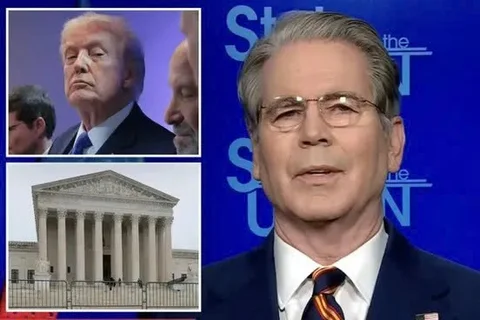
Treasury Secretary Scott Bessent previously questioned whether businesses would truly refund customers if they won their cases, or if they would retain the entire refund amount.
Average American Paid $1,700 in Tariffs
According to a report by minority Democratic members of the Joint Economic Committee, based on data from the U.S. Treasury Department, the average American paid about $1,700 in tariffs. In January alone, these costs added approximately $209 per household.
However, there is currently no clear mechanism for directly refunding money to the end consumer.
Public Skeptical About Refunds
Many shoppers in New York expressed skepticism about the possibility of receiving refunds.
Ali Aoun, 29, who works in children's book publishing, shared:
"I don't see a path where that money actually makes it back to the consumer. If it does, it's going to go back to the businesses."
Joshua North, 42, a photographer, believes that large corporations might receive refunds, while ordinary taxpayers won't see a dime. He recounted how a friend had to pay an extra $400 for a $4,000 wedding dress due to tariffs.
Unresolved Legal Conundrum
Even if the government is compelled to refund tariffs, a major question remains unanswered: do the refunds belong to the importer, the retailer, or the end consumer?
Some experts suggest the government establish an online system for individuals to submit refund requests. However, proving individual damages and tracing the tariff money through the supply chain is considered extremely complex.
Meanwhile, market realities show consumers continue to shop despite higher prices, leading many experts to fear that prices won't decrease even if tariffs are abolished. The debate over tariff refunds is now not just a legal issue but a significant economic challenge involving the government, businesses, and millions of American consumers.