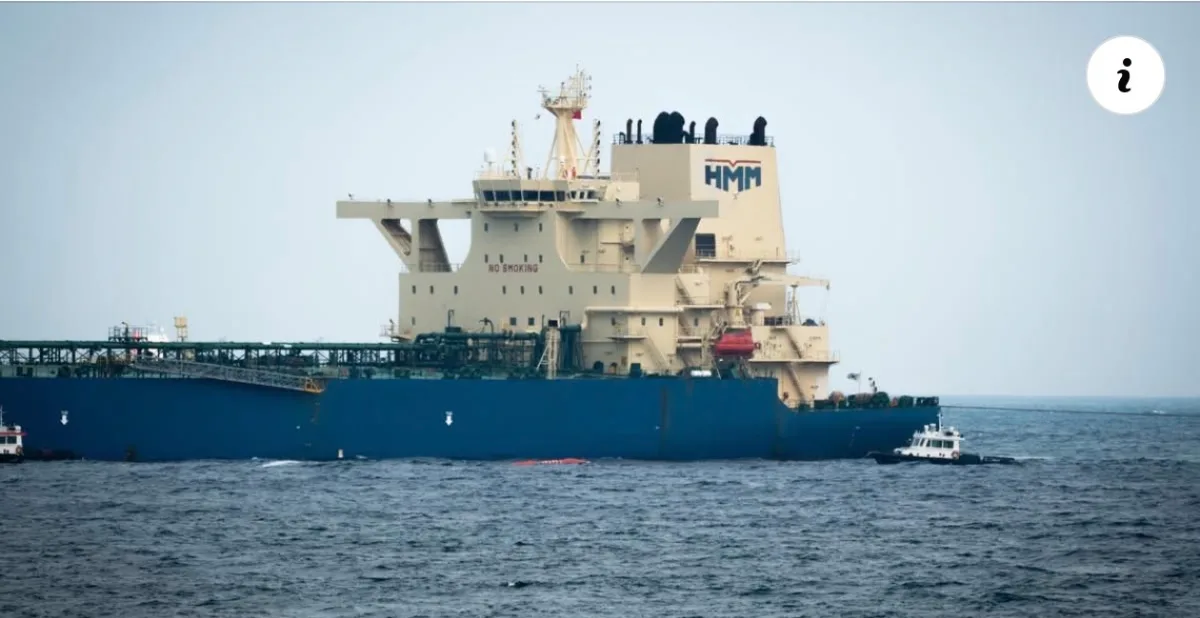
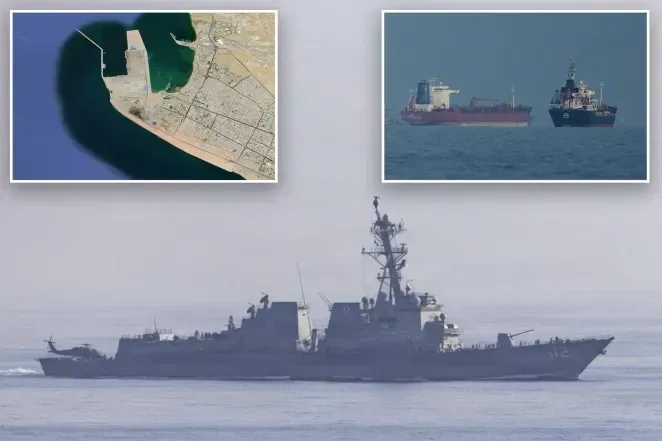
A US destroyer intercepted two oil tankers attempting to leave Iran and ordered them to turn back, just one day after the blockade deployed by President Trump officially went into effect.
According to US sources, the two vessels departed from Chabahar port in the Gulf of Oman and were contacted via radio by the American warship. Subsequently, the tankers were instructed to return.
This development clarifies the implementation of the blockade aimed at pressuring Iran to reopen the Strait of Hormuz—a shipping route for approximately 20% of the world's oil supply.
US Central Command stated that at least six commercial vessels were ordered to turn around and return to Iranian ports on the same day.
The agency also confirmed that no vessel has successfully bypassed the blockade since it began at 10:00 AM on April 14 in Washington.
The blockade operation has mobilized over 10,000 troops, more than a dozen warships, and dozens of aircraft, according to information from the US military.
Experts suggest that the actual effectiveness of the blockade still requires time to assess, as many vessels associated with Iran's oil and ghost fleet do not broadcast tracking signals.
Meanwhile, the US military maintains that it continues to ensure freedom of navigation for non-Iranian vessels when passing through the area.
The blockade follows inconclusive weekend negotiations. Oil prices surpassed the $100 per barrel mark before easing slightly on expectations that talks might continue.
Experts warn that this move could trigger a response from Iran and put significant pressure on the already fragile ceasefire agreement.