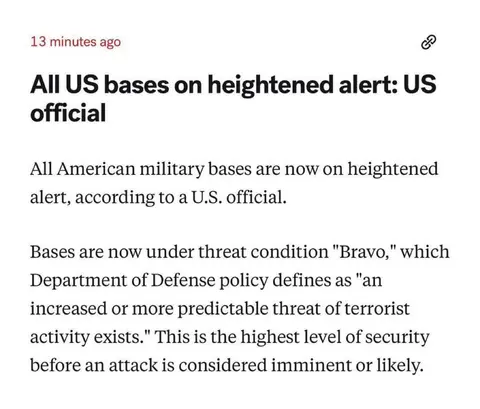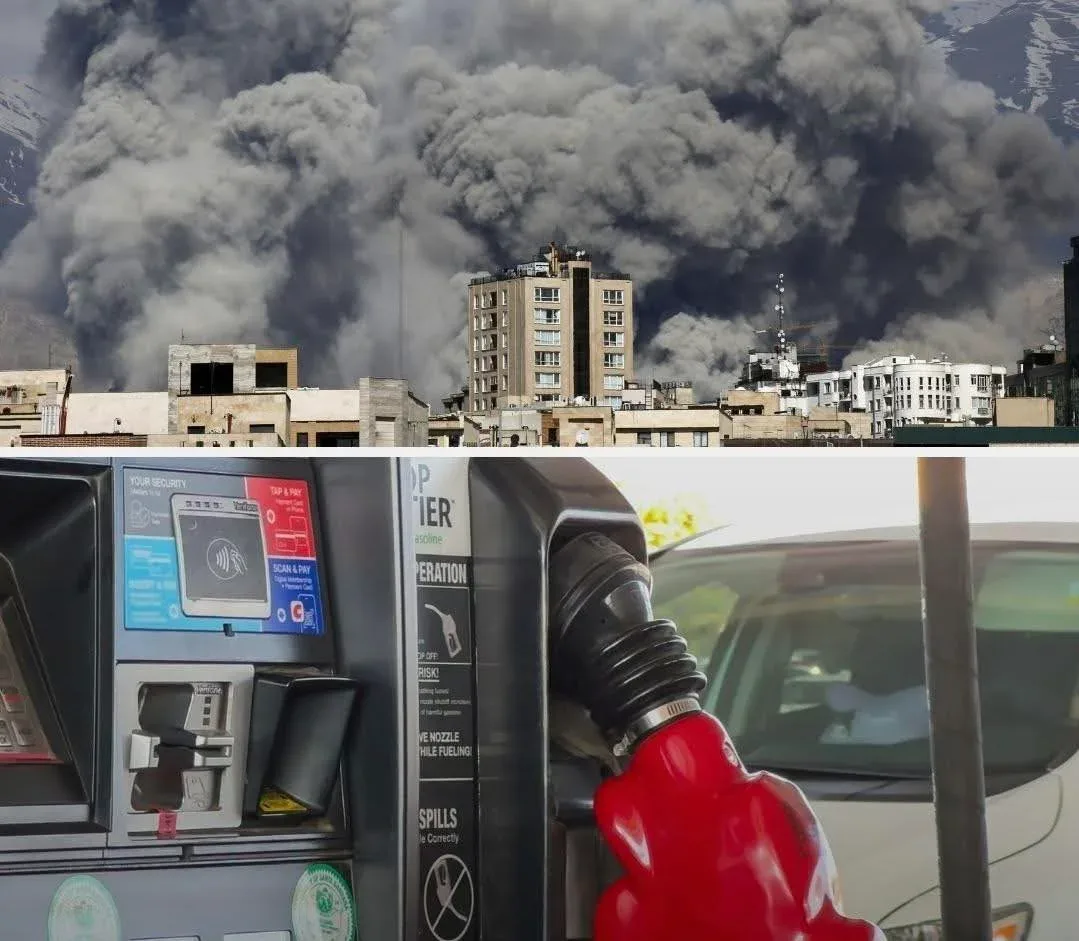
The average gas price in the United States has officially surpassed the $3 per gallon mark for the first time since last November. This increase comes immediately after the resurgence of conflict in the Middle East, leading experts to warn of a sustained price hike in the coming weeks. American consumers may face greater financial pressure right at the fuel pumps.
Brent crude prices surged nearly 6%, reaching over $76 per barrel following coordinated airstrikes by the U.S. and Israel against Iran over the weekend. This event led to fierce retaliations and destabilized the regional security situation. President Trump warned that the attacks could last for about four weeks, raising concerns about global energy supplies.
One of the primary causes of market anxiety is Iran's closure of the Strait of Hormuz, a vital maritime route carrying approximately 20% of the world's oil. Professor Shirvin Zeinalzadeh from Arizona State University noted that the impact on gas prices will become more pronounced in one to two weeks. Closing this route could severely disrupt crude oil supplies from neighboring countries in the region, similar to scenarios where oil prices spiked after Middle East attacks, unsettling world markets.
Risk of $100 oil and economic impacts
In a prolonged conflict scenario, analysts predict oil prices could hit $100 per barrel, similar to the period of tension in Ukraine in 2022. Economist William Jackson from Capital Economics emphasized that if supply is directly disrupted from Iran, oil prices will skyrocket. This risk increases as critical energy infrastructure, such as the Ras Tanura refinery being attacked, causes immediate supply shortages.
The escalating gas prices are not only putting a strain on citizens' wallets but also presenting a major political challenge for President Trump ahead of key elections.
"Gas prices have a huge psychological impact; it's the inflation figure that consumers see every single day,"shared Mark Malek, Chief Investment Officer at Siebert Financial. Currently, although overall inflation has eased slightly, the costs of food and essentials remain high.
In addition to energy issues, the blockade of trade routes in the Persian Gulf threatens the supply chain of goods from Asia to the U.S. Consumers may face difficulties purchasing items such as clothing, textiles, and chemicals typically shipped from China. At the same time, energy instability could also drive up electricity and gas bills sharply, creating a "double blow" effect on household spending.