San Diego, California – June 9, 2026
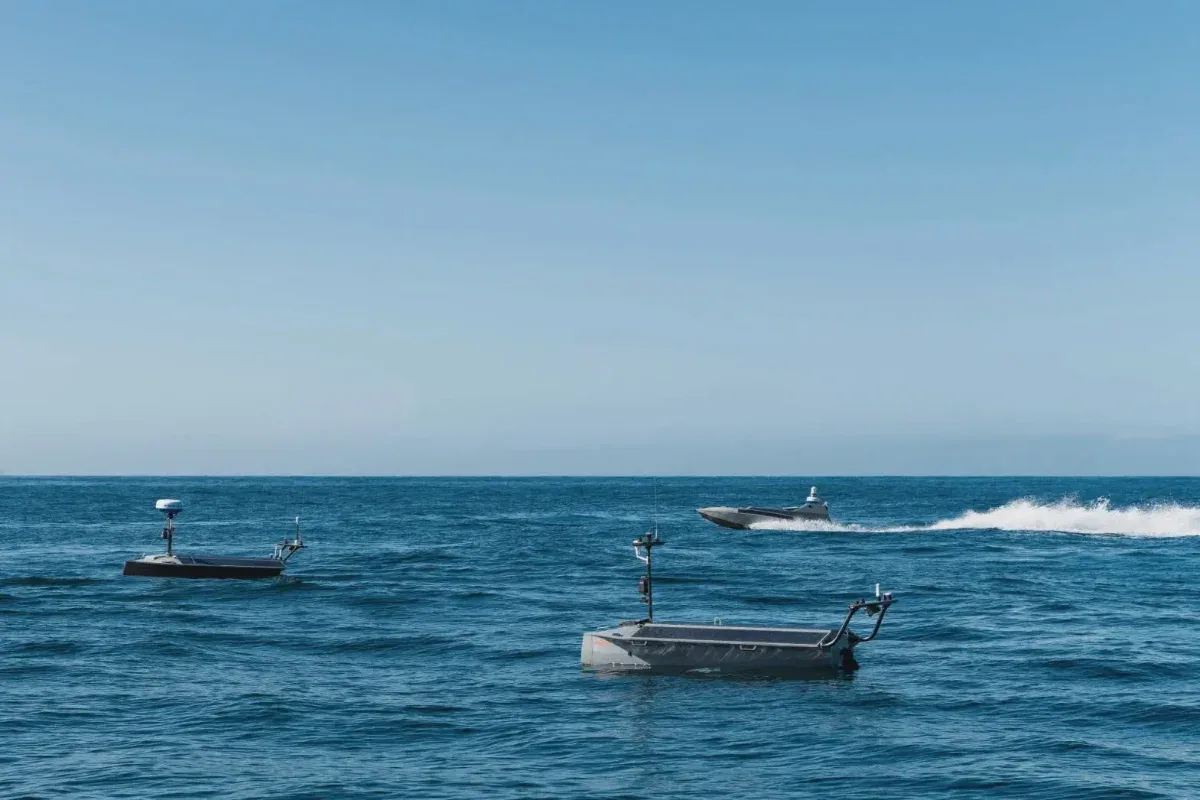
A fleet of unmanned autonomous vessels, developed by the defense technology company Seasats, has been deployed off the coast of California as part of collaborative programs with the U.S. Navy to enhance maritime surveillance, including tracking ships that do not broadcast identification signals, known as "ghost fleets."
The autonomous vehicles, named Lightfish, are approximately 12 feet (3.6 meters) long and operate entirely without a crew on board.
What can Lightfish do?
According to Seasats, Lightfish is designed to perform the following missions:
Reconnaissance and maritime intelligence gathering
Tracking vessels that do not broadcast AIS identification signals
Detecting illegal fishing activities
Supporting the tracking of maritime smuggling
Transmitting signals between submarines, underwater sensors, and satellites
Collecting weather and marine environmental data
The system is capable of receiving underwater acoustic signals, converting them into radio signals, and then transmitting them via satellite to an onshore control center.
Tracking Chinese Vessels Near Taiwan
According to Seasats, one of the Lightfish vessels previously detected and tracked several Chinese warships operating within Taiwan's exclusive economic zone.
The company stated that these vessels did not transmit signals via the Automatic Identification System (AIS), making them more difficult to track using conventional means.
Lightfish recorded images and data that helped identify the type and origin of the detected vessels.
Seasats also announced that it had completed the first autonomous transit through the Taiwan Strait, an area that is a hotbed of strategic competition between the U.S. and China.
US Navy Enhances Surveillance Network
Experts believe that autonomous vessels like Lightfish can significantly complement the U.S. maritime surveillance network in the Indo-Pacific region.
Mr. Declan Kerwin, Chief of Staff at Seasats, stated that many vessels can evade coastal radar systems.