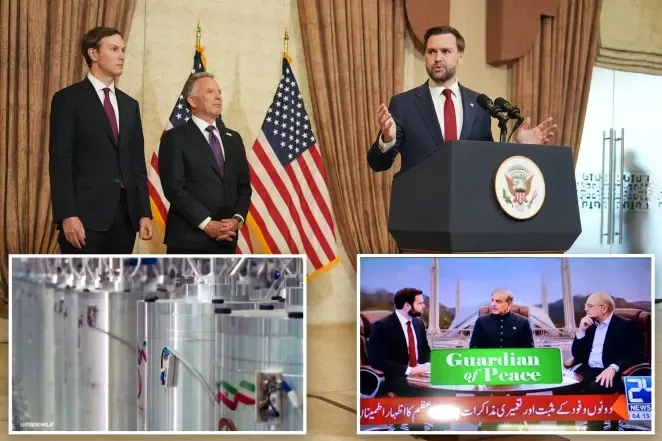
The U.S. proposed that Iran suspend its uranium enrichment program for at least 20 years during negotiations in Pakistan, but the two sides failed to reach an agreement after more than 21 hours of talks.
Sources familiar with the matter said Washington's proposal includes a minimum 20-year term along with several additional conditions, marking an adjustment from the stance taken when Washington previously offered a 15-point proposal under the Trump administration.
The negotiations, led by Vice President JD Vance, concluded as the U.S. delegation left Islamabad without a joint statement. However, President Trump stated that the Iranian side had signaled a desire to continue the dialogue.
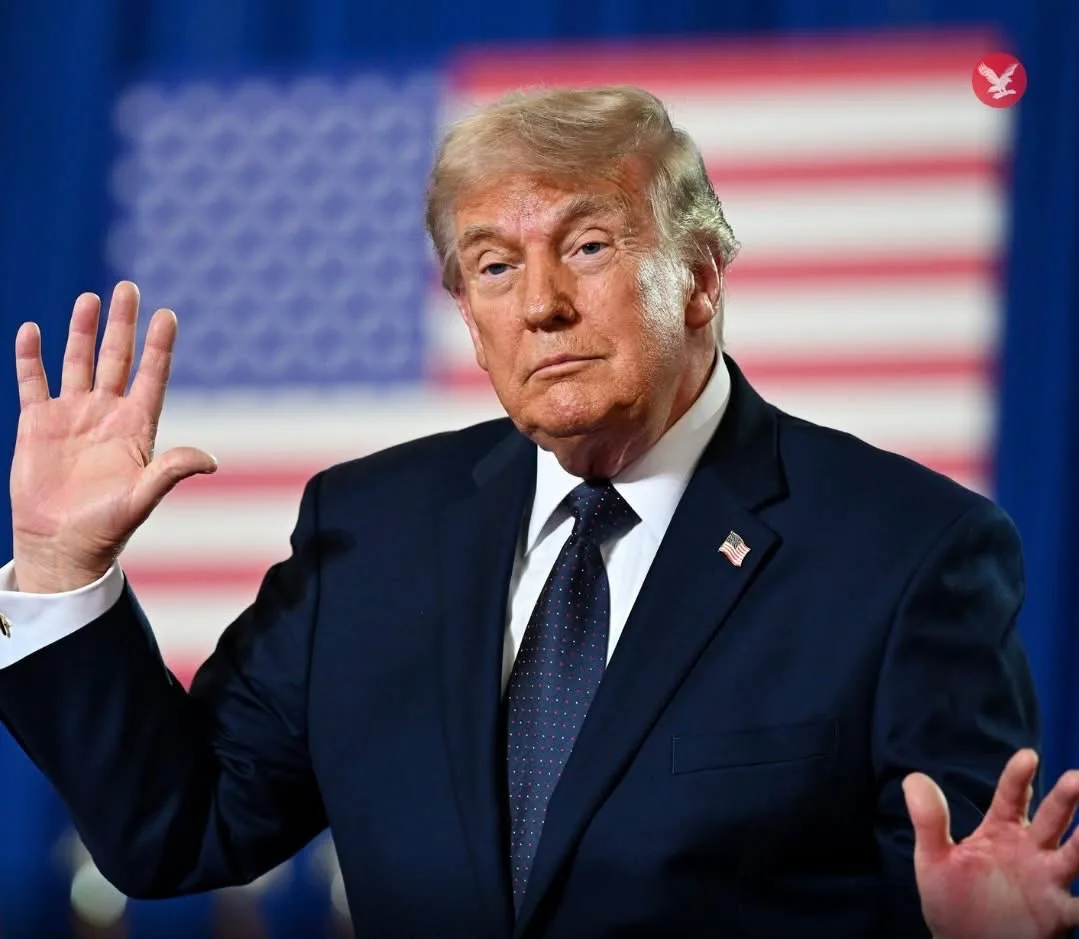
“Iran very much wants to make a deal,” he told reporters, while emphasizing that the nuclear issue remains the main sticking point.
President Trump affirmed that Iran would not be allowed to possess nuclear weapons. He stated that if Tehran does not accept the conditions, no deal will exist, and emphasized that the U.S. is ready to use all measures to control uranium sources at key nuclear facilities.
The White House confirmed that both sides remain in contact and have made “some progress,” but did not release specific details.
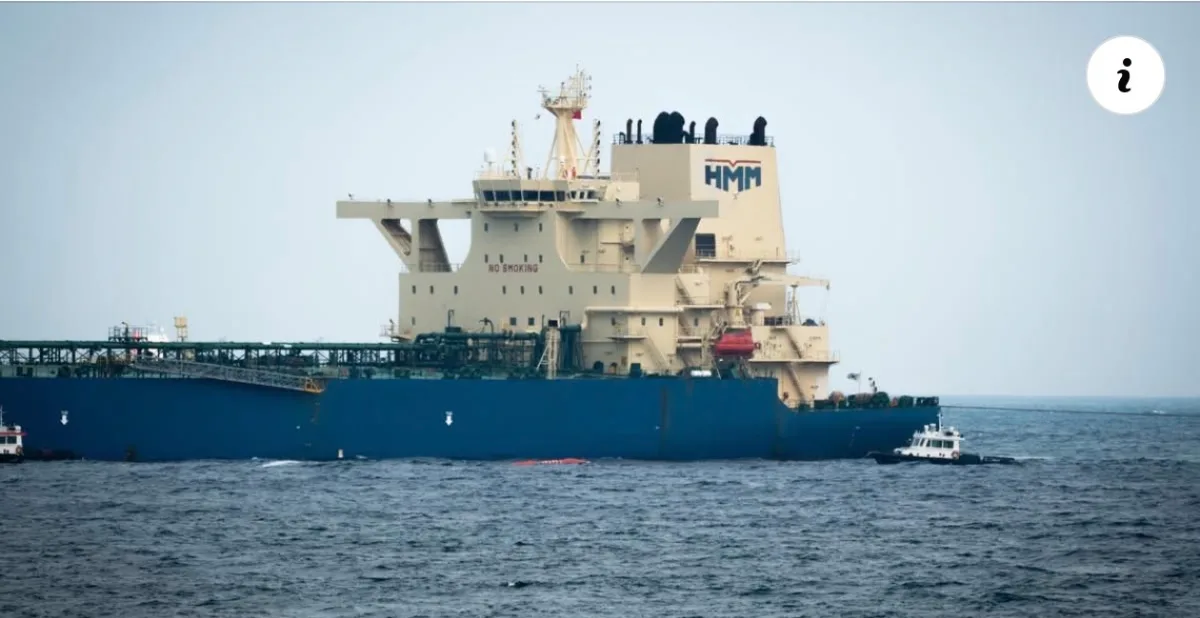
Economic pressure is mounting on both sides. Oil prices have surpassed $100 per barrel after the U.S. implemented a blockade of the Strait of Hormuz, while gas prices in the U.S. remain above $4.12 per gallon.
On the Iranian side, being blocked at the Strait of Hormuz has severely disrupted oil exports and goods imports, putting significant pressure on the economy.
Developments suggest that the negotiation process depends heavily on Tehran's decision regarding Washington's “long-term nuclear freeze” proposal, especially after the U.S. recently ordered diplomatic staff to leave Israel due to security concerns.