More than 60% of the Islamic Revolutionary Guard Corps (IRGC) fast attack craft remain operational after six weeks of US and Israeli airstrikes, indicating that Tehran’s capability to control the Strait of Hormuz has not been neutralized.
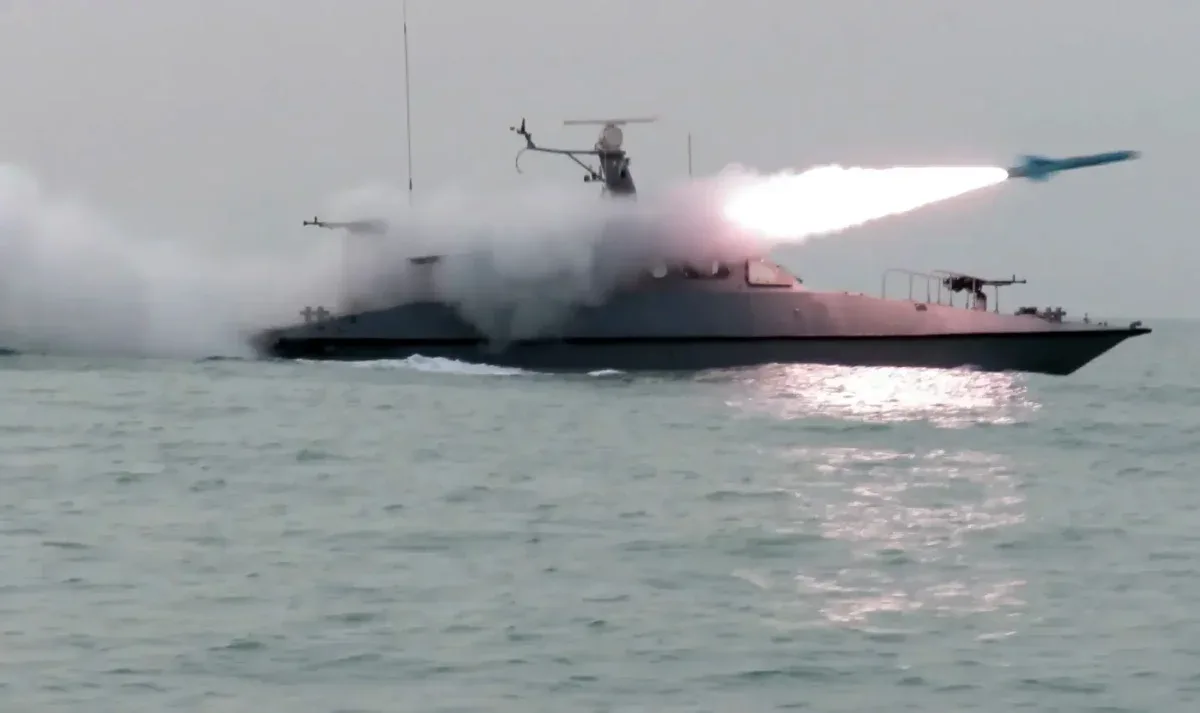
According to The Wall Street Journal, while Iran’s regular navy suffered heavy losses with more than 155 vessels sunk, the IRGC has maintained the majority of its high-speed fleet, continuing to patrol the vital oil shipping lane.
These vessels feature small, highly maneuverable designs that help them evade satellite detection and hide within underground coastal tunnel systems along the Strait of Hormuz—an area only about 20 miles wide that carries up to 20% of the global oil supply.
Expert Chris Long, a former British naval official in the Persian Gulf, noted that it will take significant time to completely eliminate this force due to its decentralized and flexible structure.
This strategy was developed following the “Tanker War” of the 1980s, when Iran shifted to an asymmetric naval model after sustaining heavy losses in previous attacks.
IRGC vessels are equipped with missile launchers, capable of laying sea mines and coordinating with drones to disrupt maritime traffic.
Data from the Armed Conflict Location & Event Data Project recorded at least 50 attacks on commercial vessels in the Persian Gulf and the Strait of Hormuz since the conflict erupted.
Defense expert David Des Roches assessed that Iran’s asymmetric strategy is proving remarkably effective, particularly in pressuring global energy transport routes.
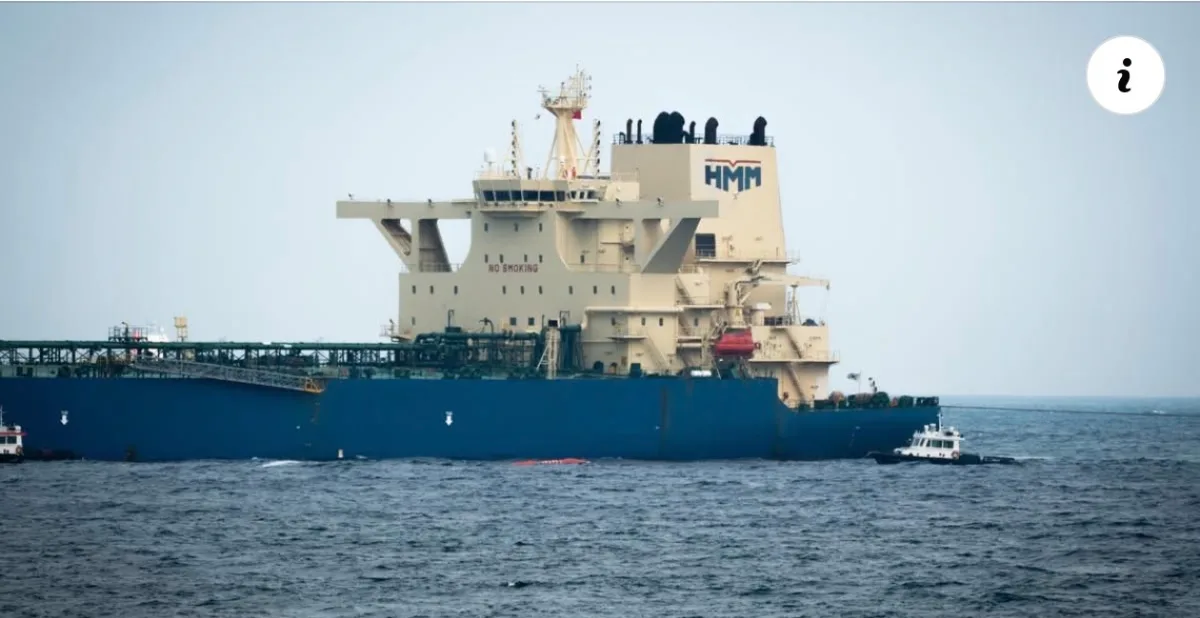
Meanwhile, President Trump announced that the US and its allies will deploy minesweepers and destroyers to reopen the Strait of Hormuz, where more than 2,000 ships remain stranded.
The situation at sea suggests the conflict shows no sign of ending, despite the US’s firepower advantage.