WASHINGTON — The U.S. Supreme Court justices repeatedly grilled lawyers representing the Trump administration on Wednesday during oral arguments regarding the executive order on birthright citizenship.
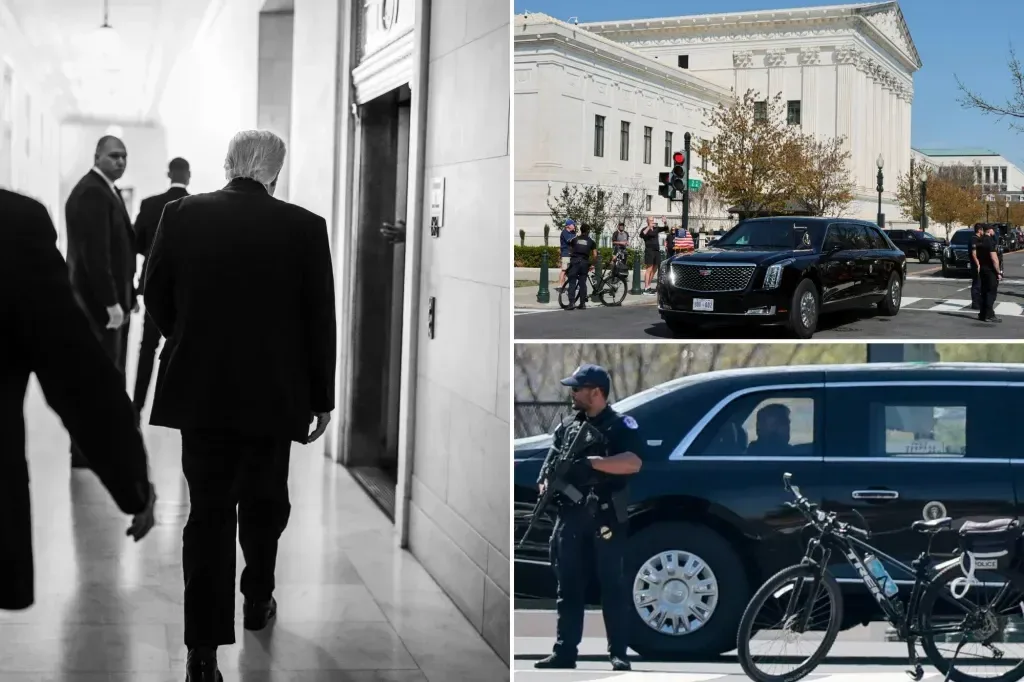
While a final ruling remains uncertain, the Republican-appointed justices showed they do not fully support the administration’s position. Notably, President Trump was present in the courtroom, becoming the first sitting president in U.S. history to personally observe a Supreme Court oral argument.
Chief Justice John Roberts opened the questioning by focusing on the interpretation of the phrase “subject to the jurisdiction thereof” in the 14th Amendment — the foundation of current birthright citizenship policy.
“You’re clearly putting a lot of weight on that phrase. But the examples you give are quite unusual,” Roberts told Solicitor General John Sauer.
The 14th Amendment states that all persons born or naturalized in the United States, and “subject to the jurisdiction thereof,” are citizens.
The executive order signed by President Trump on January 20, 2025, seeks to end automatic citizenship for children of undocumented immigrants and temporary residents. Previously, he also signed an order to create a task force to combat fraud in welfare programs to tighten management. This citizenship order was blocked by lower courts before reaching the Supreme Court.
During the arguments, Justice Brett Kavanaugh questioned why the court needed to address the constitutional issue when it could potentially be resolved based on existing law, specifically the Nationality Act of 1940.
“Normally, we decide based on the statute first, rather than going straight to the constitutional question,” he said.
The three Democratic-appointed justices appeared skeptical of the administration’s arguments. Meanwhile, the six Republican-appointed justices had divided views. Justices Samuel Alito and Clarence Thomas seemed supportive, but the others repeatedly questioned both sides, reminiscent of times the Trump administration reacted strongly to state immigration policies.
Chief Justice Roberts also expressed doubt about expanding very narrow exceptions — such as children of diplomats or invading forces — to apply to the entire group of undocumented immigrants.
“I don’t see how you can move from those very narrow examples to such a large group,” he said.
A key precedent mentioned was the 1898 case United States v. Wong Kim Ark, in which the court determined that a person born in the U.S., even as a child of legal immigrants, is recognized as a citizen.
However, the Trump administration argued that this case does not apply to undocumented immigrants, while also considering a request to require banks to collect citizenship information from customers to enhance oversight.
Justice Neil Gorsuch questioned whether undocumented status actually affects birthright citizenship, given that the current immigration system is vastly different from that of the late 19th century, especially as the U.S. is tightening visa policies for many groups.
The Supreme Court’s ruling is expected by late June, in one of the most significant cases of this term.
USA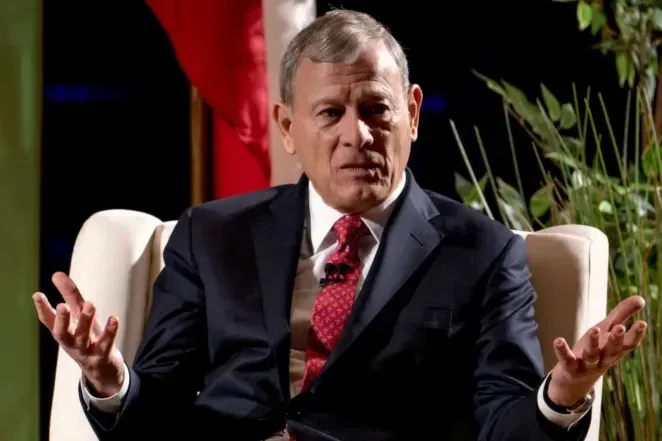

US Supreme Court Sharply Questions Trump Administration Over Birthright Citizenship Order
The US Supreme Court sharply questioned President Trump's order to end birthright citizenship as justices appeared divided over the policy's constitutionality.
Trương Atlanta
·
Support Truong Atlanta
If you find these articles helpful, buying me a coffee helps keep the news coming every day for the Vietnamese community.