Many world leaders, including US allies, have collectively called for a reduction in tensions in the Middle East after the US conducted airstrikes on Iran.
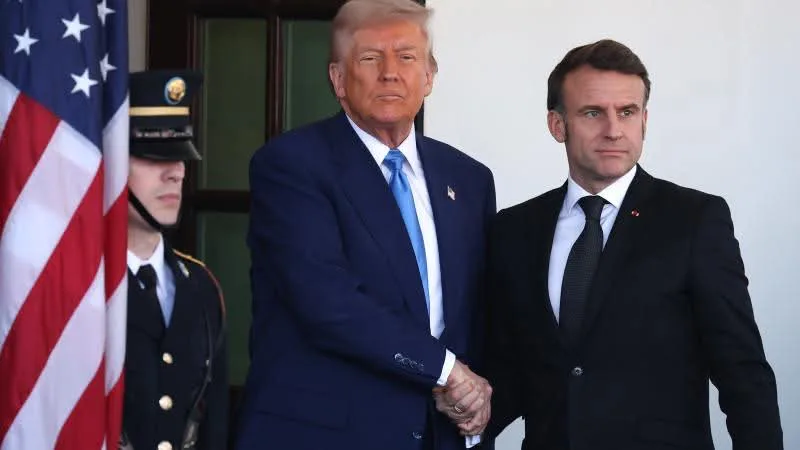
French President Emmanuel Macron warned that the conflict involving the US, Israel, and Iran carries “serious consequences for international peace and security.” He demanded an end to the escalation and called on the Iranian government to engage in good-faith negotiations to terminate its nuclear and ballistic missile programs. Macron proposed convening a meeting of the United Nations Security Council.
UN Secretary-General Antonio Guterres condemned the military action and warned of the risk of a wider regional conflict, which would harm civilians and regional stability.
Omani Foreign Minister Badr Albusaidi, who has previously mediated between the US and Iran, stated that negotiation efforts had broken down and urged all parties to avoid expanded military involvement.
British Prime Minister Keir Starmer, German leader Friedrich Merz, and French President Emmanuel Macron issued a joint statement urging Iran to seek a solution through dialogue, while emphasizing that the Iranian people should have the right to determine their own future.
Saudi Arabia criticized Iran's retaliatory strikes against Bahrain, Qatar, and Jordan, affirming its support for these nations and its readiness to provide assistance.
Canadian Prime Minister Mark Carney expressed support for the US in preventing Iran from acquiring nuclear weapons and protecting international security.
Diplomatic developments indicate that the international community is focused on the goal of de-escalating tensions and preventing the risk of widespread conflict in the Middle East.