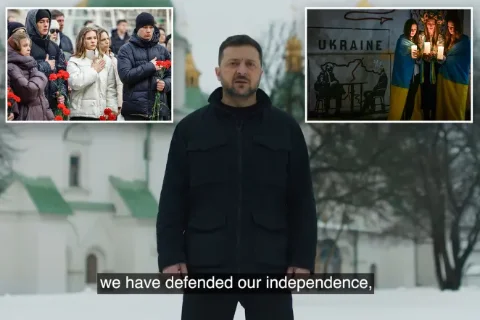
KYIV, Ukraine — Four years after Russia launched its full-scale invasion on February 24, 2022, many residential areas in Kyiv still face severe shortages of electricity, hot water, and heating amidst a harsh winter. However, residents of the capital assert that they embrace the cold rather than retreat before Moscow.
The "Darkness and Cold" Campaign
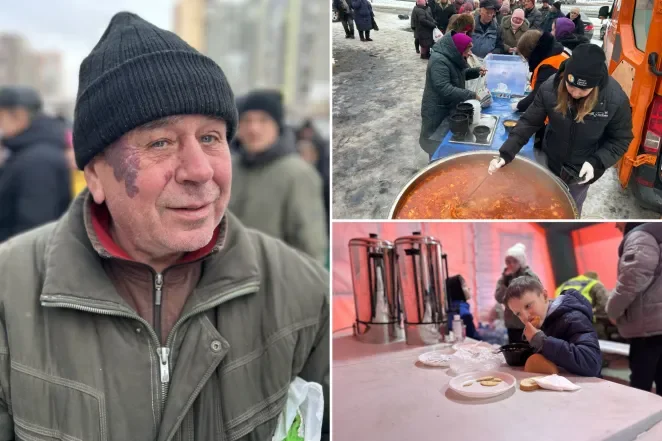
Local residents report that some areas have been without electricity and heating for weeks due to Russia's continuous attacks on energy infrastructure. In response, the city has erected insulated tents with heaters, providing shelter for residents. Organizations like World Central Kitchen are also actively distributing hot meals to those queuing in low temperatures.
Tetiana Zamrii, 35, shared that her neighborhood has been without hot water since early January and might have to wait until summer for it to be restored. Her family has resorted to boiling water on a gas stove, stocking up on power banks, and wearing multiple layers of clothing to adapt to the new living conditions.
Unwavering Resilience
Olha Sukhobok, 48, believes that the strategy of pressuring residents with cold and darkness aims to cause panic or force them to accept unfavorable agreements. "But they cannot break our will," she asserted while receiving a hot bowl of soup from a volunteer. George Barros, an expert from the Institute for the Study of War, also noted that strategic bombing campaigns typically do not force civilians to surrender; they can even strengthen their resolve.
Debate on Ending the War
Special envoy Steve Witkoff, who participated in negotiations, called the conflict a "senseless war" and questioned the price of "dignity" as casualties continue to mount. However, some Ukrainians argue that ceding the remaining territory in Donbas would be equivalent to abandoning hundreds of thousands of their people. "We are tired, and everyone wants the war to end quickly, but our people are still there," Zamrii emphasized.
Adapting to the "New Normal"
Many Kyiv residents say they have grown accustomed to the "new normal," which includes candles, small battery-powered heaters, and thick clothes for themselves and their pets. The city authorities have also set up warming points with books and toys for children. Public reports indicate that approximately 15,000 civilians have died since the full-scale war began, with at least 10 deaths attributed to the cold.
Anatoliy, a man queuing for hot soup, asserted that Russia's strategy to freeze them out has not achieved its goal. "They said it would be over in three days; it's been four years. We are still here, together," he said. As the war enters its fourth year, Kyiv residents say they are preparing for a long journey, knowing that even if the nights are longer, the sun still rises every day.