New waves of attacks from Hezbollah targeting Israel indicate an escalation strategy believed to have been prepared by Tehran in advance, in the event the regime is no longer able to sustain its existence.
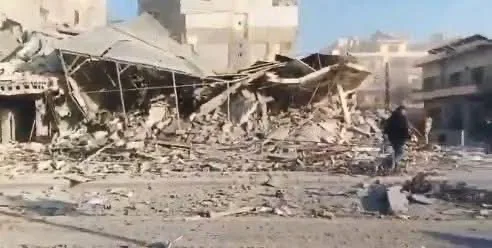
Images from the scene show a residential area in Lebanon leveled following Israeli retaliatory airstrikes after Hezbollah resumed rocket attacks.
According to analysts, Iran operates under an undeclared but ultimate logic: if the regime faces the risk of collapse or destruction, it will trigger regional chaos at the highest level to prevent the adversary from achieving a total victory, while making any post-regime scenario costly and unstable.
This strategy is often likened to the biblical phrase “Let me die with the Philistines,” but it is deployed through asymmetric measures, proxy forces, and economic tools instead of nuclear weapons.
Core Elements of the Scenario
Activating the entire “Axis of Resistance”
Hezbollah is believed to have received instructions for a massive escalation against Israel: increasing rocket fire, ground infiltration capabilities, and destabilizing Lebanon and Syria.
Iraqi militias, the Houthis, and other groups could target U.S. bases, Gulf targets, and international shipping lanes.
The Strait of Hormuz – The “Final Economic Card”
Approximately 20% of global oil passes through this region. Iran has previously used mines, anti-ship missiles, fast boats, and drones here. Shipping traffic has significantly decreased, with numerous security warnings issued.
If a total or partial blockade occurs, oil prices could exceed $100 per barrel, shocking the global energy market. Some experts call this a “use-it-or-lose-it card” when the regime is backed into a corner.
Asymmetric Attacks and Global Terrorism
Hezbollah networks or “sleeper cells” could target diplomats, citizens, businesses, or infrastructure belonging to the U.S. and Israel in the Middle East, Europe, or North America.
Cyberattack campaigns on critical systems, election interference, or high-level assassinations are also considered.
Direct Attacks on Gulf Oil Infrastructure or U.S. Assets
Should proxy forces fail to create enough pressure, Iran may directly target strategic assets to drive the cost of confrontation to unacceptable levels.
Signs Have Emerged
According to current assessments, several elements have begun to operate:
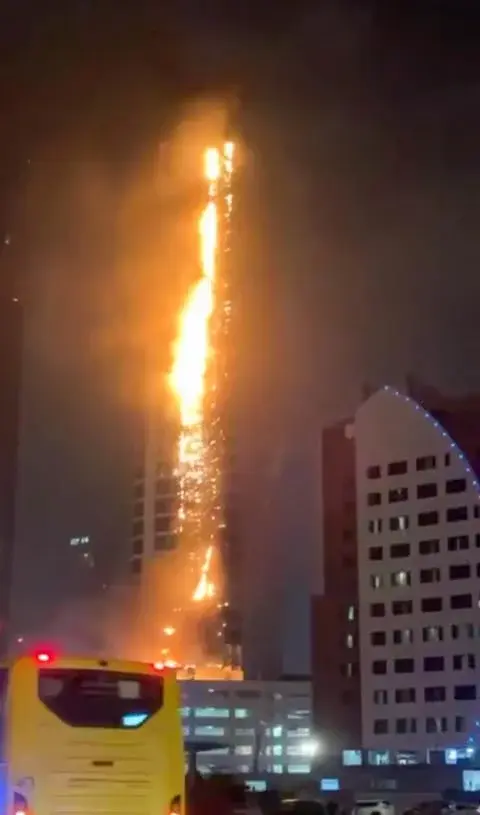
- Missile and drone launches continue but with reduced scale and coordination due to damaged command systems.
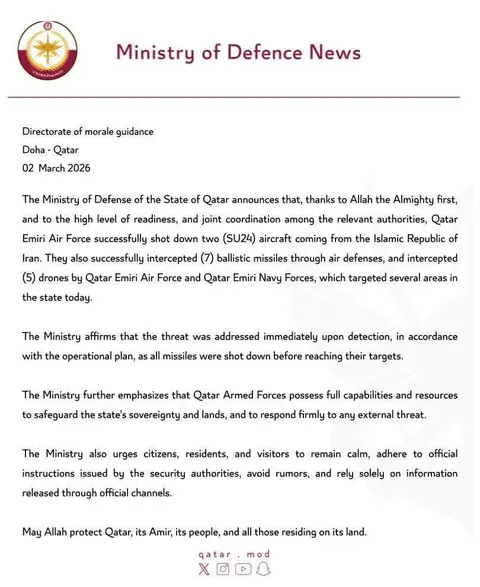
- Hezbollah continues rocket launches.
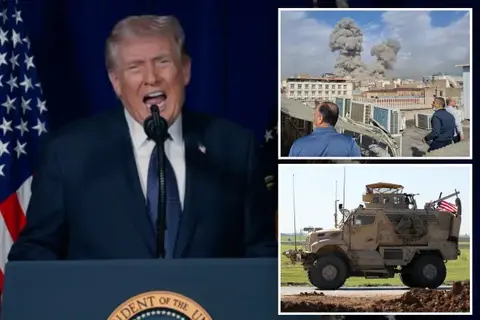
- Iraqi militias target U.S. bases.
- Maritime pressure near Hormuz is increasing.
The uncoordinated response reflects a compromised command system, yet the logic of escalation as losses mount remains in place.
The Differentiating Factor
A key difference in this scenario is that Iran does not possess nuclear weapons to use as a last resort, as its nuclear program was previously neutralized following military operations.
Experts, including former NATO Commander Admiral James Stavridis, warn that when pushed into a “dead end” under pressure for regime change, Tehran is motivated to expand the scale of conflict rather than exercise restraint.
The current conflict shows that elements of this strategy are being activated, although the extent is limited by degraded capabilities.