
Iran Executes "Mossad Spy" Amid Escalating Middle East Tensions
WorldTrương Atlanta

Iran has executed an individual accused of spying for Mossad as conflict intensifies with heavy missile barrages and retaliatory airstrikes between the two sides.
On March 18, 2026, Iran confirmed that it has carried out the death sentence for Kourosh Keyvani on charges of spying for the Israeli intelligence agency Mossad—the first major hardline move since the outbreak of conflict with the U.S. and Israel.
According to Iranian state media, the individual was accused of providing images and information regarding sensitive locations to the Israeli side. Previously, the Tehran government had also arrested dozens of people accused of providing information to Israel for intelligence operations. Tehran stated that the execution was carried out within the day.
Iran also claimed that Keyvani had been trained in Tel Aviv and several European countries, though no specific details were provided. The Israeli side has yet to issue a comment.
This move comes amid the rapidly escalating U.S.–Israel–Iran conflict. Simultaneously, Iran launched a series of missiles toward Israel, calling it an act of retaliation for the death of a high-ranking security official.
Some of the missiles were reportedly from the Khorramshahr-4 series, which has a range of over 2,000 km and carries warheads weighing tons.
The attacks caused damage in Israel, including a terminal in Tel Aviv hit by shrapnel, resulting in civilian casualties.
Concurrently, the conflict has spread across the region. Israel continued its airstrikes in Lebanon, killing hundreds and displacing more than one million people, according to Lebanese government statistics.
Iran also warned that upcoming retaliatory strikes would be “stronger than imagined,” sending a direct message to President Trump as tensions escalate by the hour, particularly after President Trump vowed to continue attacking Iranian vessels around vital sea routes.
The execution of a spy suspect during wartime indicates that Tehran is tightening internal security following reports that Mossad had infiltrated Tehran's camera systems for years to monitor the Supreme Leader, while also signaling a strong deterrent to any activities deemed as collaboration with the enemy.

Support Truong Atlanta
If you find these articles helpful, buying me a coffee helps keep the news coming every day for the Vietnamese community.
Related articles

IRGC Seizes De Facto Power in Iran as Senior Leaders Are Eliminated
Following the elimination of top officials, power in Iran is shifting to the IRGC. The political system is paralyzed as the nation transitions to a militarized governance model.

Foreign Tourists in Bali Face Severe Prison Sentences for Filming Explicit Content
Three foreign tourists arrested in Bali for filming and distributing sensitive content for profit face up to 16 years in prison under Indonesia's strict laws.
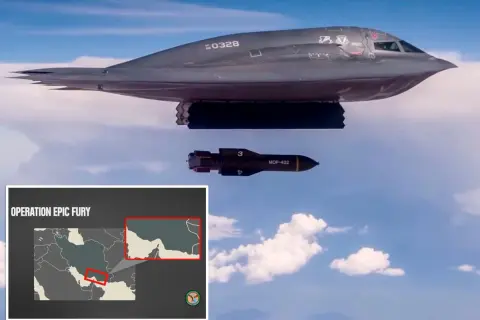
US Drops 5,000-Pound Bunker Busters on Iranian Underground Missile Bases Near Strait of Hormuz
On March 17, 2026, the US deployed bunker buster bombs against Iranian underground missile bases near the Strait of Hormuz to protect international freedom of navigation.

President Trump Vows to Continue Attacks on Iranian Vessels as Hormuz Tensions Rise
President Trump has pledged to continue attacking Iranian vessels threatening the Strait of Hormuz, rejecting ceasefire proposals to prioritize weakening Tehran's military capabilities.
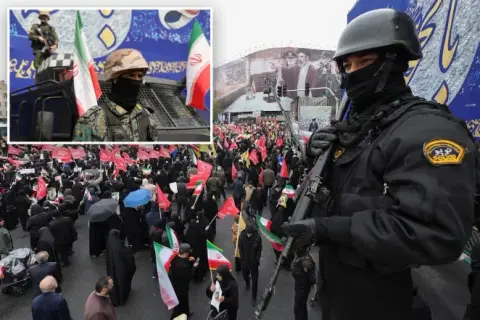
Iran Arrests Dozens Accused of Providing Information to Israel
Iranian authorities have arrested dozens for allegedly providing sensitive military and security information to Israel amid escalating regional tensions and airstrikes.
🏪Have a business?
Partner with us