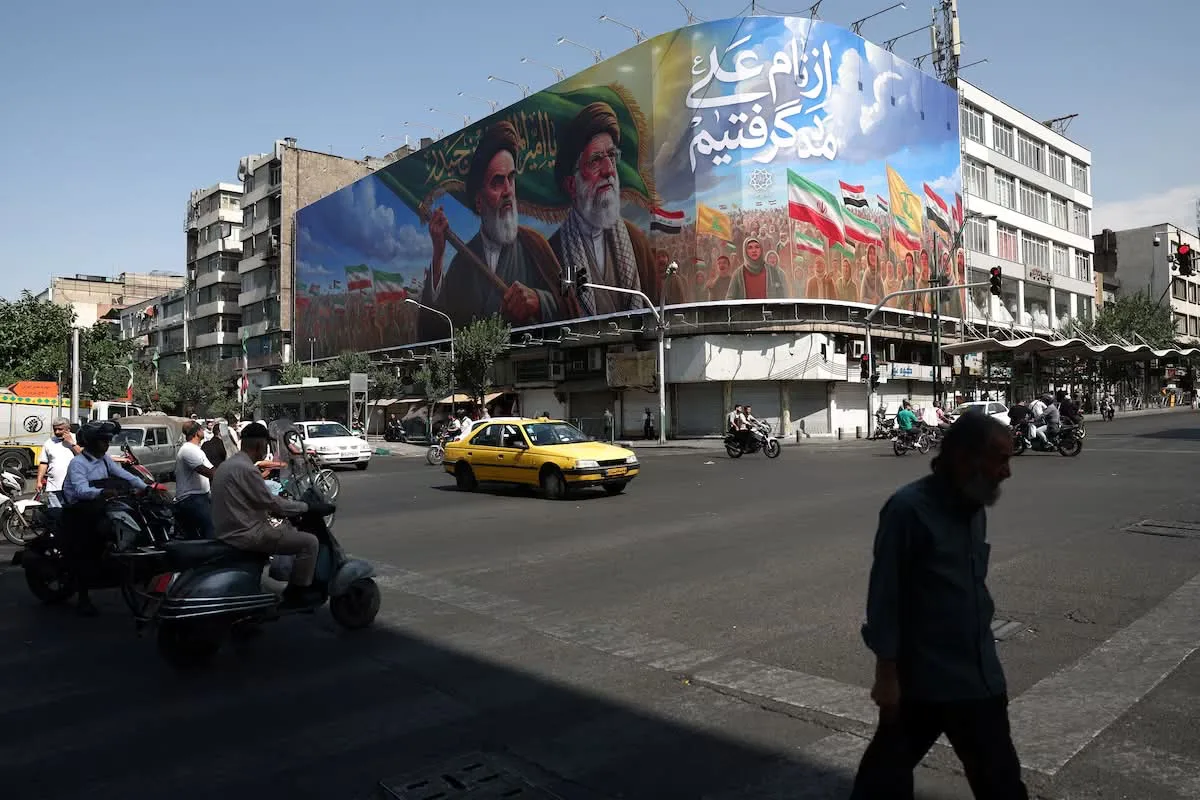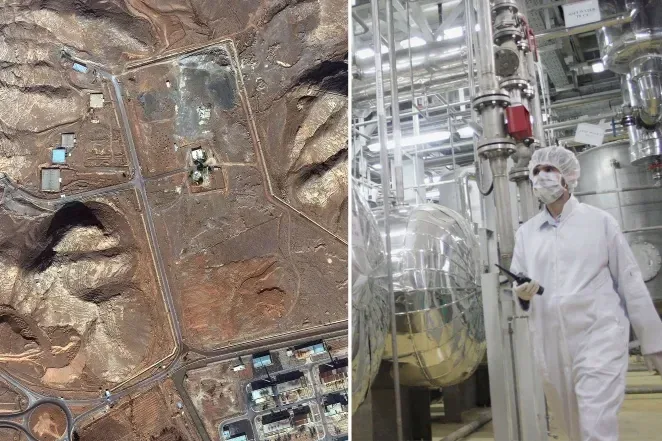
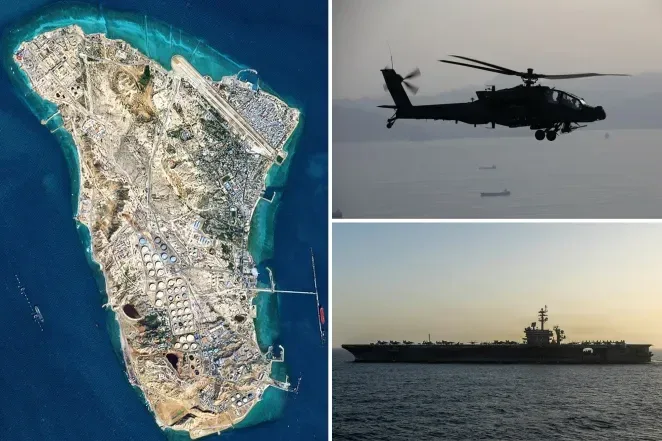
Middle East – April 24, 2026 (New York Time) — Iran is deploying emergency measures to handle rapidly growing oil inventories as storage at Kharg Island nears its limit and U.S. blockade pressure continues to tighten.
According to reports, Tehran has brought the old oil tanker M/T Nasha—which had been out of service for years—back into operation as floating storage to relieve the onshore storage system, part of an effort to find ways to bring Iranian oil to market to maintain cash flow. This move comes as oil storage capacity at Kharg Island could reach full capacity within 12–13 days, with a net inflow of approximately 1 million barrels per day.
This region controls about 90% of Iran’s crude oil exports, so a bottleneck could significantly impact the national economy at a time when oil exceeds $100 and the energy market is highly volatile.
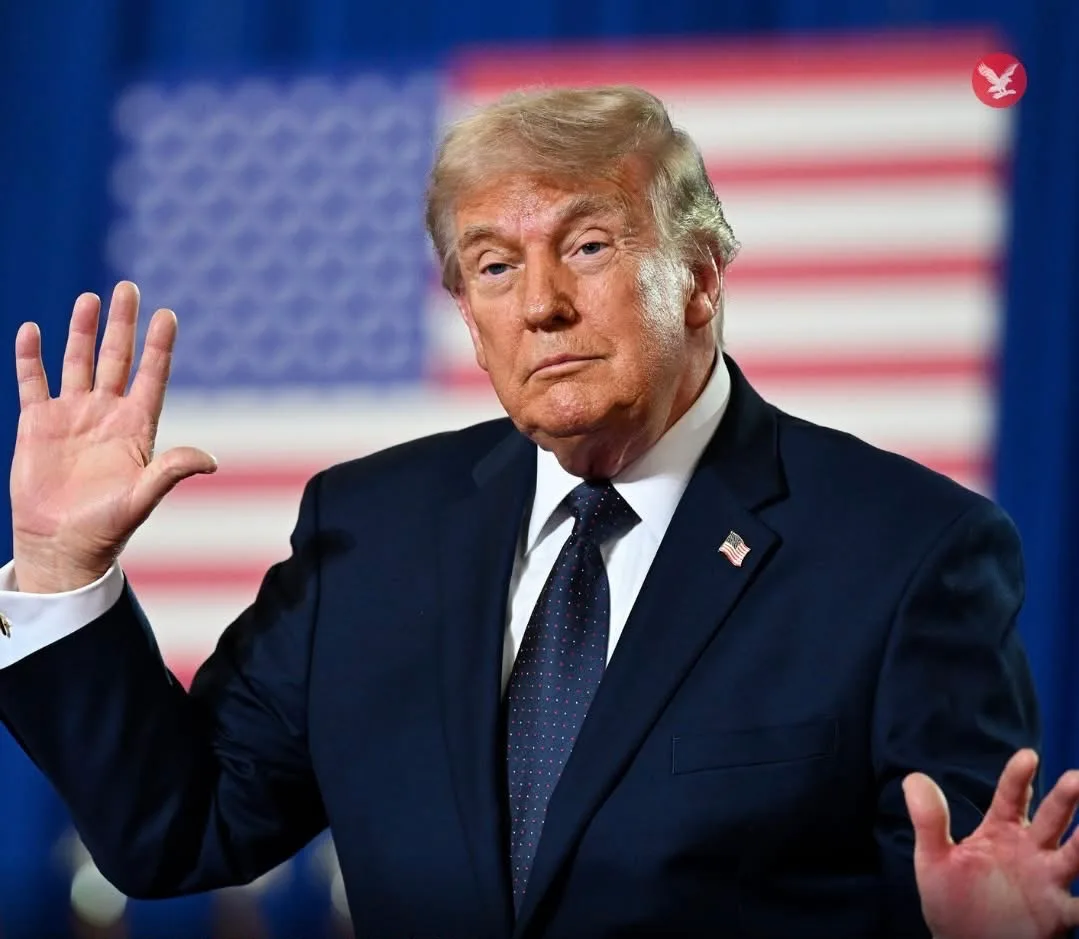
Meanwhile, the Donald Trump administration continues to maintain a maritime blockade strategy in the Strait of Hormuz, while calling on nations to join hands to protect oil shipping lanes through the Strait of Hormuz from Tehran’s interference.
Secretary of Defense Pete Hegseth stated that Iran still has an opportunity for negotiations but warned that time is running out as tightening measures expand globally.
At the same time, the U.S. is increasing its military presence with the deployment of the aircraft carrier USS George H. W. Bush, reinforcing the blockade in the region.
Maritime security sources reported that several Iranian tankers were intercepted or controlled in Asian waters this week.
The situation escalated as Iran fired on commercial vessels and seized several ships in the strait, increasing the risk of severe global energy supply disruptions.
The Trump administration warned it could resume strikes if an agreement is not reached, while diplomatic contacts are still being pursued.
Read more
- U.S. allies simultaneously pressure Iran, demanding immediate reopening of the Strait of Hormuz
- Trump temporarily waives Jones Act for 60 days to “cool down” gas prices amid Strait of Hormuz crisis
- Retired U.S. General: Iran campaign moving faster than expected, military pressure will force Tehran to concede