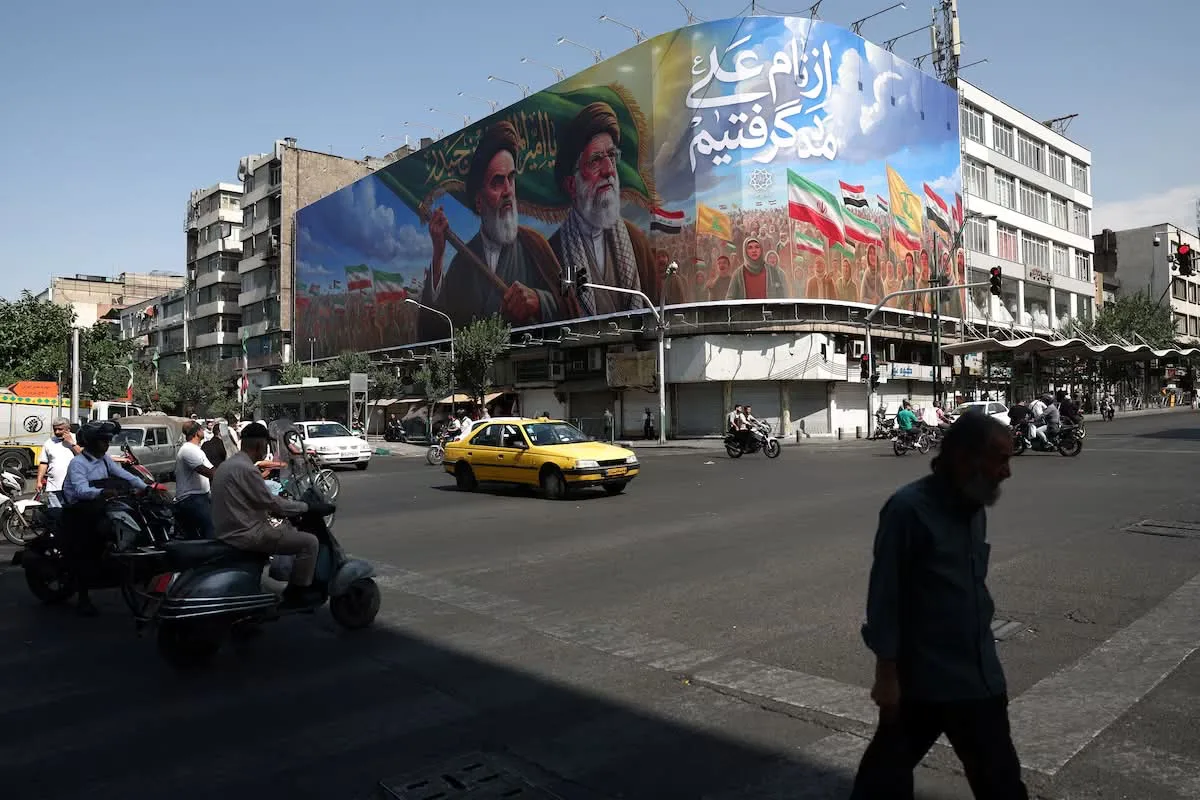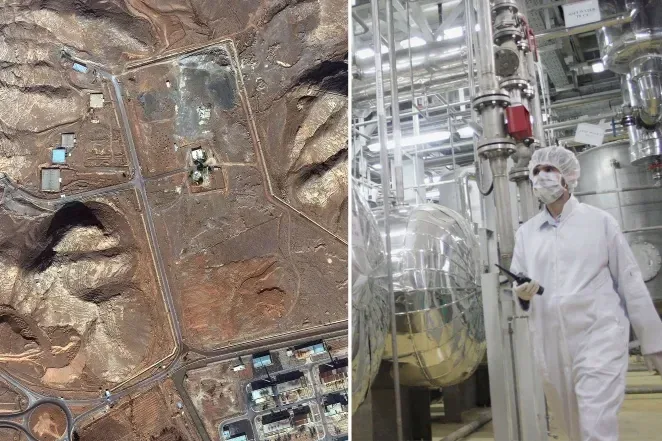
The remains of Iran’s Supreme Leader Ali Khamenei have not yet been buried, more than 50 days after he was killed in an airstrike on February 28, 2026, as Iranian officials face serious security concerns and domestic instability. According to analytical sources, plans for a large-scale state funeral have been suspended due to the risk of Israeli attacks, the potential for anti-government protests, and an ongoing conflict that makes it impossible for the government to ensure safety for large gatherings. A multi-day state funeral was held in 1989 for his predecessor, Ruhollah Khomeini, attracting millions of attendees. However, a similar scenario cannot be replicated in the current context. Security expert Behnam Taleblu noted that the Iranian government “lacks the capacity and dares not risk” organizing a major event during such a sensitive time, especially after the country endured prolonged airstrikes and significant losses to its leadership structure. Another notable factor is the absence of Mojtaba Khamenei—his son and successor—who hasn't appeared in public since reportedly taking power. Iranian officials are currently considering the city of Mashhad, Khamenei’s hometown, as the burial site. Located near the Turkmenistan border, the city is home to the Imam Reza Shrine—a holy site in Shia Islam—and features a dense security system. Initial plans for a state funeral starting March 4 were canceled as the conflict escalated. Later, Iran explained the delay was intended to “prepare for an unprecedented turnout.” To date, no official date for the burial has been set. A temporary ceasefire between the U.S. and Iran began on April 8 and is expected to expire in the coming days, leaving the regional situation unpredictable as diplomats warn that the threat cannot last forever.
World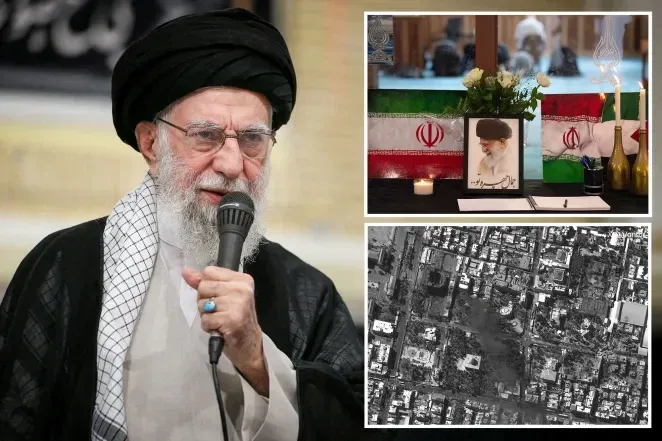

Iran’s Supreme Leader Still Unburied After 50 Days Amid Heightened Security Fears
The remains of Ali Khamenei have not been buried 50 days after his death due to severe security concerns and internal instability, forcing the suspension of state funeral plans.
Trương Atlanta
·
Support Truong Atlanta
If you find these articles helpful, buying me a coffee helps keep the news coming every day for the Vietnamese community.