
IRGC Seizes De Facto Power in Iran as Senior Leaders Are Eliminated
WorldTrương Atlanta
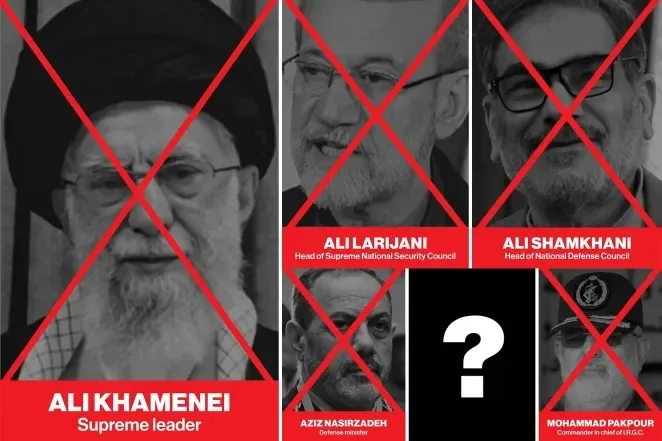
Following the elimination of top officials, power in Iran is shifting to the IRGC. The political system is paralyzed as the nation transitions to a militarized governance model.
On March 18, 2026, the power structure in Iran fell into chaos following a series of strikes that killed several key figures, including Ali Larijani — once considered the second most powerful individual in Tehran.
Earlier, Ali Khamenei was reported to have been killed in the attack on February 28. Subsequently, his son, Mojtaba Khamenei, was elevated to the position of Supreme Leader, but has since almost entirely disappeared from public view. Even President Trump has questioned the current status of this figure.
Meanwhile, Ali Larijani – who held de facto administrative power – was killed in the latest strike, along with many high-ranking commanders of the Islamic Revolutionary Guard Corps (IRGC).
A series of key positions were wiped out in a short period: IRGC commanders, the defense minister, and intelligence heads... leaving the civilian power system virtually paralyzed.
Analyses indicate that actual control is shifting entirely into the hands of the IRGC — a military force with widespread influence in politics and security in Iran.
A provisional council consisting of the president and clerics has been established to run the country, but their roles are largely ceremonial. Strategic decision-making power, particularly concerning the war, rests with military commanders.
Potential successors also revolve around names closely linked to the IRGC, such as Sadiq Larijani or Mohammad Bagher Ghalibaf — figures known for their hardline stances.
Observers believe the possibility of a moderate new Iranian leader emerging is nearly zero amid escalating hostilities. Each strike targeting the leadership pushes Iran's power structure further toward militarization.
A clear reality has emerged: Iran is no longer functioning under a traditional political model but is instead dominated by those who control the military and weaponry.
The remaining question is not who will take over — but whether that person can survive long enough within the vortex of consecutive attacks.

Support Truong Atlanta
If you find these articles helpful, buying me a coffee helps keep the news coming every day for the Vietnamese community.
Related articles
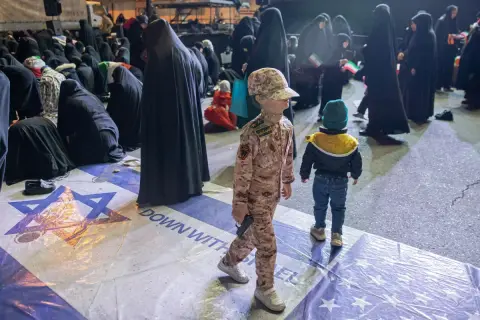
Iran Executes "Mossad Spy" Amid Escalating Middle East Tensions
Iran has executed an individual accused of spying for Mossad as conflict intensifies with heavy missile barrages and retaliatory airstrikes between the two sides.

Foreign Tourists in Bali Face Severe Prison Sentences for Filming Explicit Content
Three foreign tourists arrested in Bali for filming and distributing sensitive content for profit face up to 16 years in prison under Indonesia's strict laws.
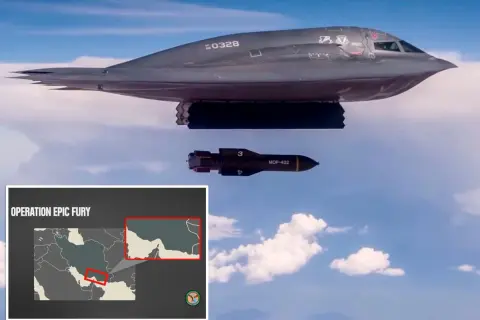
US Drops 5,000-Pound Bunker Busters on Iranian Underground Missile Bases Near Strait of Hormuz
On March 17, 2026, the US deployed bunker buster bombs against Iranian underground missile bases near the Strait of Hormuz to protect international freedom of navigation.
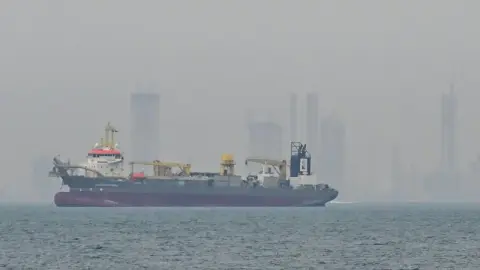
President Trump Vows to Continue Attacks on Iranian Vessels as Hormuz Tensions Rise
President Trump has pledged to continue attacking Iranian vessels threatening the Strait of Hormuz, rejecting ceasefire proposals to prioritize weakening Tehran's military capabilities.
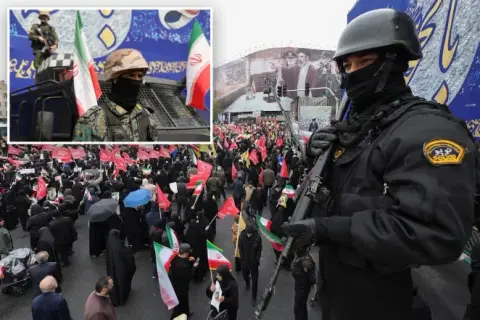
Iran Arrests Dozens Accused of Providing Information to Israel
Iranian authorities have arrested dozens for allegedly providing sensitive military and security information to Israel amid escalating regional tensions and airstrikes.
🏪Have a business?
Partner with us