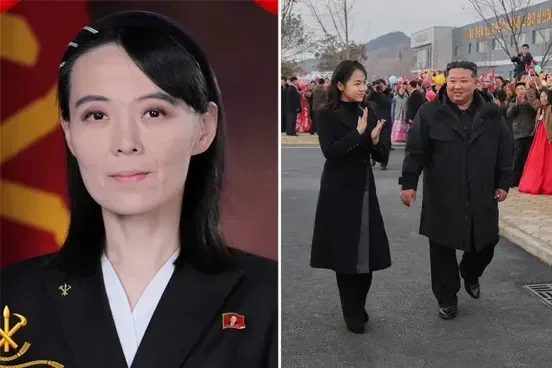
Kim Yo Jong, the sister of North Korean leader Kim Jong Un, recently made a public appearance at the Ninth Congress of the Workers' Party of Korea in Pyongyang. This event marks her first appearance following a series of rumors suggesting she had been sidelined from the succession list. At this congress, she received a promotion from deputy director to the position of full director of an important department within the Party.
Consolidating position in the power structure
The Korean Central News Agency (KCNA) stated that Kim Yo Jong, 38, is now serving as the highest-ranking leader of a department within the Party apparatus. South Korean media suggests she is likely in charge of state propaganda, including foreign policy strategies and inter-Korean relations. This promotion is seen by observers as a move to firmly consolidate her role within the political system in Pyongyang.
According to scholar Ahn Chan-il, Kim Yo Jong is one of the very few individuals who have received absolute trust from Kim Jong Un since he took power in 2011. This trust is particularly significant given that the Kim family has experienced many intense political upheavals in the past. Notably, in 2013, the North Korean leader ordered the arrest and execution of his uncle, Jang Song Thaek, on charges of being anti-party and counter-revolutionary.
Speculation about the next generation of successors
Kim Yo Jong's promotion comes shortly after reports from South Korea's National Intelligence Service regarding Kim Jong Un's daughter, Kim Ju Ae, being groomed as a successor. The 13-year-old girl is the only child of Mr. Kim to have appeared in public and frequently attends major military events. South Korean intelligence suggests that Kim Ju Ae's appearance at this Party Congress would be the clearest sign of the power transition process.
Although there has been no official confirmation of Kim Ju Ae's attendance at the event, her presence always attracts special attention. Meanwhile, Kim Yo Jong's strong reappearance shows that she still holds an irreplaceable role in North Korea's current political system. These new developments indicate that the picture of power and succession in this country remains a complex topic for the international community.