
Retired US General: Iran Campaign Progressing Faster Than Expected, Military Pressure Will Force Tehran to Concede
WorldTrương Atlanta

General McKenzie notes the military campaign against Iran is progressing faster than expected, creating pressure that may force Tehran to concede and accept negotiation terms soon.
March 30, 2026 (New York time) – Former Commander of US Central Command (CENTCOM), General Frank McKenzie, observed that the military campaign against Iran is progressing faster than the simulation scenarios from years ago.
Speaking on CBS’s “Face the Nation,” McKenzie suggested that US and Israeli airstrikes are causing significant damage to Iran's military capabilities and could force Tehran to accept negotiation terms.
“I believe they will have to concede. I believe they will reach a deal,” he said.
According to him, the current objectives of the campaign focus on:
- Reducing short-range missile capabilities
- Neutralizing drones
- Reducing the ability to attack vessels in the Strait of Hormuz
The US maintains continuous air superiority in southern Iran, identifying and striking weapon positions to weaken the control over strategic shipping lanes.
The Strait of Hormuz – a vital global oil transit route – has seen restricted operations by Iran in response to the military campaign, leading to sharp increases in fuel prices worldwide.
McKenzie stated that after significantly reducing the threat from missiles and drones, US forces could conduct minesweeping operations to restore maritime traffic.
One of the strategic targets mentioned is Kharg Island – where the majority of Iran's oil exports are concentrated. According to him, controlling this area could paralyze Tehran's oil economy.
Meanwhile, the Donald Trump administration aims to dismantle Iran's nuclear program and weaken the armed networks backed by Tehran in the region.
According to some sources, the campaign could last until mid-April, and the deployment of ground forces has not been ruled out if necessary.
However, Iran still refuses direct negotiations and demands full compensation for all damages caused by the hostilities.
General McKenzie's assessment indicates that the US side believes continuous military pressure will be the deciding factor, while the actual outcome remains dependent on Tehran's reaction in the coming period.

Support Truong Atlanta
If you find these articles helpful, buying me a coffee helps keep the news coming every day for the Vietnamese community.
Related articles

Yemen Officially Enters the War, US Rapidly Deploys Troops: Middle East Faces Full-Scale War Scenario
Yemen officially enters the war against Israel as the US rapidly deploys troops. The blockade of the Strait of Hormuz and escalating tensions push the region toward full-scale conflict.
Son of Ugandan President Sparks Stir by Declaring Readiness to Fight Alongside Israel
The son of Uganda's President has declared his readiness to defend Israel if the nation is threatened, citing religious beliefs and deep historical ties between the two countries.
Iranian Navy Commander Alireza Tangsiri Reported Dead
Alireza Tangsiri, Commander of the IRGC Navy, has reportedly been killed. He was a key figure overseeing strategic operations in the Persian Gulf and the Strait of Hormuz.
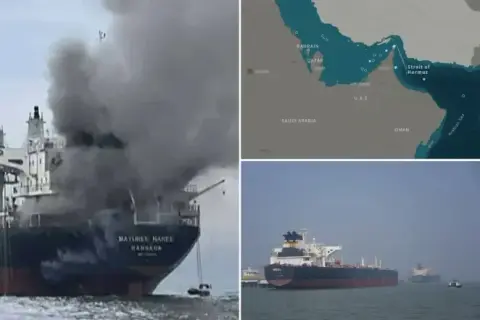
Decoding how tankers are still safely navigating the Strait of Hormuz
Many tankers are using secret signal codes to safely navigate the Strait of Hormuz despite Iran's blockade, while thousands of other commercial vessels remain stranded.
Iran's Supreme Leader is not the only Middle Eastern leader "who may be gay" — long-standing rumors have surrounded other figures
A U.S. intelligence report suggests Iran's new Supreme Leader may be gay, highlighting long-standing rumors surrounding several powerful figures across the Middle East.
🏪Have a business?
Partner with us