
Toxic "Black Rain" Coats Tehran After Israeli Airstrikes on Oil Depots
WorldTrương Atlanta
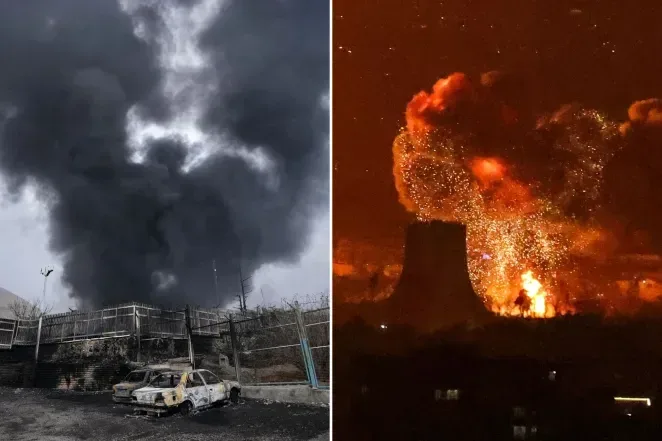
Tehran suffered toxic "black rain" following Israeli airstrikes on oil depots on March 7. The attacks caused severe pollution, killed four people, and sent global oil prices soaring.
TEHRAN — Tehran was engulfed in black smoke and oil-laden “black rain” after a series of Israeli airstrikes targeted major Iranian fuel depots on the night of March 7, according to reports from Iranian media and relief organizations.
Massive explosions at oil storage tanks sent giant plumes of fire and thick smoke into the city’s sky. Residents woke up on the morning of March 8 to rooftops and streets coated in a black liquid, similar to the scene after Mehrabad Airport in Tehran was previously hit by airstrikes.
The Iranian Red Crescent Society warned that the explosions released large quantities of toxic hydrocarbons, sulfur, and nitrogen oxides into the air. When combined with rain, these compounds create highly acidic rainfall, posing risks of skin burns and severe lung damage upon exposure.
According to Fars News, the airstrikes hit four oil depots and a fuel production center in Tehran and Alborz province, occurring just after the U.S. and Israel expanded airstrikes to several other key areas. The explosions killed at least four tanker drivers.
The Israeli military confirmed the operation, stating that the objective was to destroy logistics facilities serving Iran's military activities.
“The Iranian regime's military organization directly uses these fuel tanks to operate military infrastructure,” a statement from the Israel Defense Forces (IDF) declared. Israel also asserted that this was a strike against a terrorist regime to eliminate existential threats.
These attacks are considered the first direct strikes on Iran’s oil supply since the joint U.S.-Israel air campaign began on February 28, 2026.
Amid escalating conflict, although analysts have questioned why Wall Street has not panicked, the energy market has reacted strongly. Brent crude rose to around $86 per barrel, while West Texas Intermediate (WTI) surpassed $90 per barrel, its highest level since 2023.
Economists warned of the risk that Iran might block the Strait of Hormuz, a shipping route for approximately 20% of the world's oil supply—an issue the White House has repeatedly warned Iran about recently, which could cause global gasoline prices and inflation to surge.
U.S. Secretary of Energy Chris Wright said that gasoline prices could cool down in the “next few weeks” if the market stabilizes.

Support Truong Atlanta
If you find these articles helpful, buying me a coffee helps keep the news coming every day for the Vietnamese community.
Related articles

President Trump Dismisses Threats from Iranian Security Official
President Trump says he is unconcerned by threats from Iranian official Ali Larijani as the U.S. and Israel expand military strikes against Tehran's strategic infrastructure.

Ukrainian soldiers fear a weak peace deal with Russia will only lead to renewed war
Ukrainian soldiers worry a peace deal without security guarantees will only allow Russia to rearm for future attacks, emphasizing the need for a sustainable and lasting resolution.

Ukraine's Near-Frontline Towns Create Economic Paradox as War Drags On
Ternivka, Ukraine, sees growth in economy and population as it welcomes refugee miners, despite its proximity to the front lines and frequent Russian missile strikes.
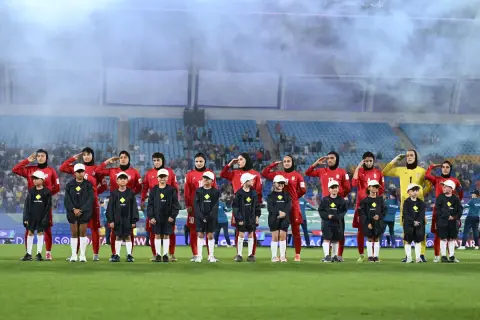
Iran Women's National Football Team Faces Risk of Arrest Upon Return After Asian Cup
The Iranian women's team faces potential arrest for not singing the national anthem at the 2026 Asian Cup. Australia and the international community are concerned for their safety.
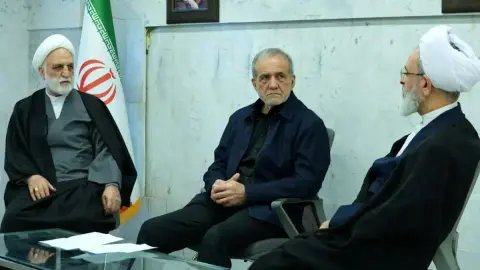
Iran Nears Decision on Supreme Leader's Successor Following Ali Khamenei's Death
Iran is set to announce a successor to Supreme Leader Ali Khamenei, with Mojtaba Khamenei emerging as the top candidate amid escalating conflict and U.S. opposition.
🏪Have a business?
Partner with us