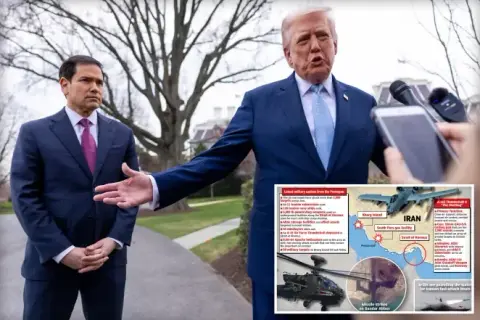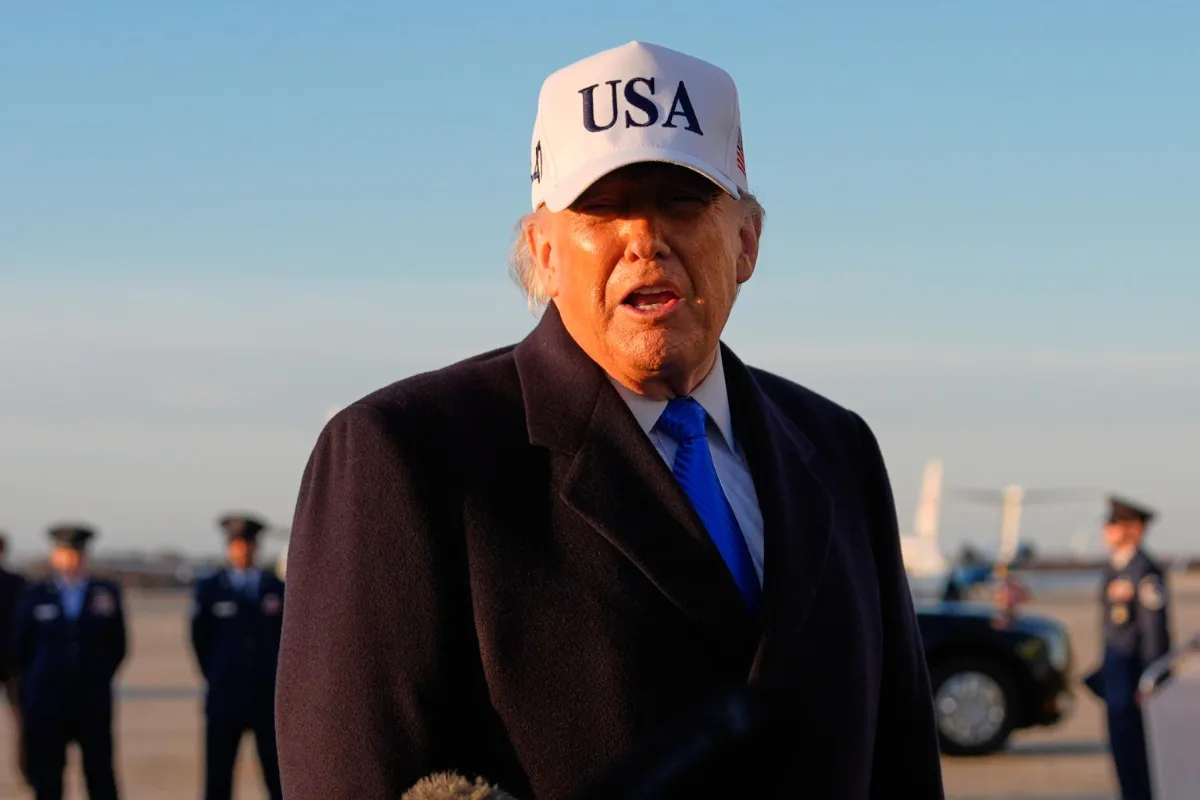
The move comes as the three-week-old conflict between the U.S.–Israel and Iran shows no signs of cooling down.
⸻
Airstrikes Paused Pending Negotiations
In a posted message, President Trump stated that discussions between Washington and Tehran took place over the weekend with “tangible progress.”
He directed the Department of War to temporarily halt all attacks on Iran's power and energy infrastructure for five days, while leaving open the possibility of resuming them if negotiations fail to produce results.
In an interview with CNBC, he emphasized that the U.S. is “very serious about reaching a deal” with Iran.
⸻
Iran Refutes Claims, Tensions Persist
The Iranian side quickly countered this claim. Its Ministry of Foreign Affairs suggested that the statements from Washington were aimed at cooling energy prices and buying time for military plans.
Tehran asserted that it did not initiate the conflict and that any de-escalation proposals should be directed toward the United States.
⸻
Oil Prices Fluctuate Sharply Following Statements
News of the airstrike suspension caused Brent crude prices to drop below $94 per barrel before trading hours, after previously nearing $109. However, observers remain concerned that airstrikes on Iran could drive up gas prices significantly in major consumer markets.
Following Iran's reaction and ongoing military developments, oil prices returned to near the $100 per barrel mark later that morning.
The stock market also reacted strongly, with Dow Jones and S&P 500 futures rising approximately 2.6%.
⸻
Strait of Hormuz Remains a Hotspot
The Strait of Hormuz — a transit route for about 20% of global oil — has been disrupted since the military campaign began in late February.
Previously, President Trump issued a 48-hour ultimatum demanding Iran reopen the route, or face large-scale attacks on its energy facilities.
Iran responded with warnings that it would target the energy infrastructure of the U.S. and its regional allies.
⸻
Mediating Roles and Potential End to the Campaign
Oman's Foreign Minister confirmed that efforts are underway to establish a safe corridor for ships through the Strait of Hormuz, indicating that diplomatic mediation efforts are ongoing.
This also marks the first official signal regarding the possible end of the military campaign “Operation Epic Fury,” which began on February 28.
⸻
Background
Prior to the decision to pause, President Trump had previously stated he was not interested in a ceasefire and claimed that Iran had suffered severe damage to its military capabilities.