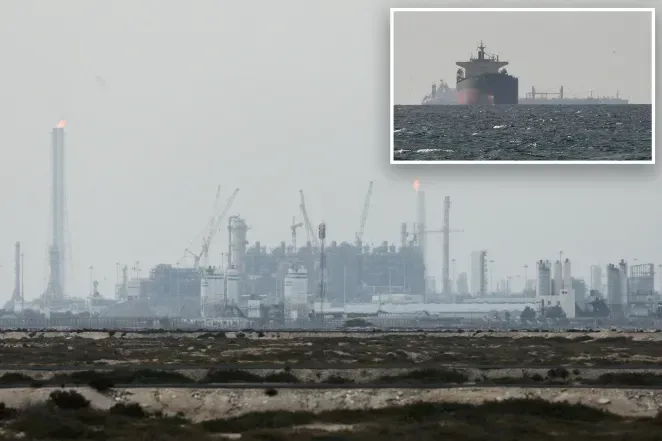
Several US allies have collectively spoken out regarding the situation in the Middle East, demanding that Iran cease activities disrupting vital energy transport routes through the Strait of Hormuz.
Leaders from France, Germany, Italy, Japan, the Netherlands, and the United Kingdom issued a joint statement criticizing actions targeting commercial vessels and energy facilities in the Gulf region, while warning of risks to global supply.
UK Prime Minister Keir Starmer’s office stated that the nations are calling on Iran to immediately stop laying mines, using drones, and obstructing trade through the strait.
⚠️ STRATEGIC MARITIME ROUTE
The Strait of Hormuz is a transport route for approximately 20% of the world's oil production. Any disruption here directly impacts energy markets and global supply chains, especially as oil prices surpassed $100 per barrel following a series of attacks on vessels in the region.
The nations argued that obstructing trade in this area poses risks to international economic stability and security.
🇺🇸 THE U.S. ROLE
The move by allies comes after President Trump called on countries to share the responsibility for protecting maritime routes, rather than leaving the U.S. to carry the bulk of the burden.
President Trump stated that the U.S. is ready to coordinate and support but emphasized that countries benefiting from oil passing through the Strait of Hormuz must participate more actively.
🌍 INTERNATIONAL RESPONSE
The joint statement also called for an end to all activities targeting civilian infrastructure, particularly in the oil and gas sector.
The countries expressed readiness to join efforts to ensure maritime safety and maintain stable flow in the region.
Furthermore, energy market stabilization measures, including releasing strategic reserves and increasing production from exporting nations, were included in the coordination plan.
📉 MARKET IMPACT
Gasoline prices in the U.S. have risen sharply recently, reaching approximately $3.88 per gallon, reflecting pressure from the Middle East situation. This has forced the administration to consider emergency options such as temporarily waiving the Jones Act to cool down rapidly rising gas prices.
Read More
- U.S. drops 5,000-pound bunker-buster bombs on underground Iranian missile bases near the Strait of Hormuz
- President Trump vows to continue attacks on Iranian vessels as tensions rise around the Strait of Hormuz
- President Trump urgently summons Treasury Secretary Scott Bessent to the Situation Room amid escalating Iran war