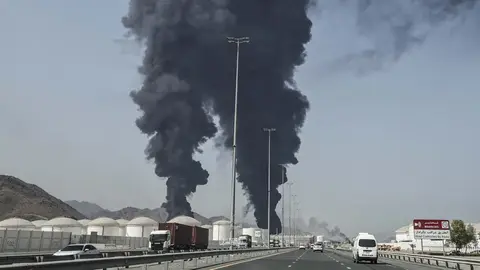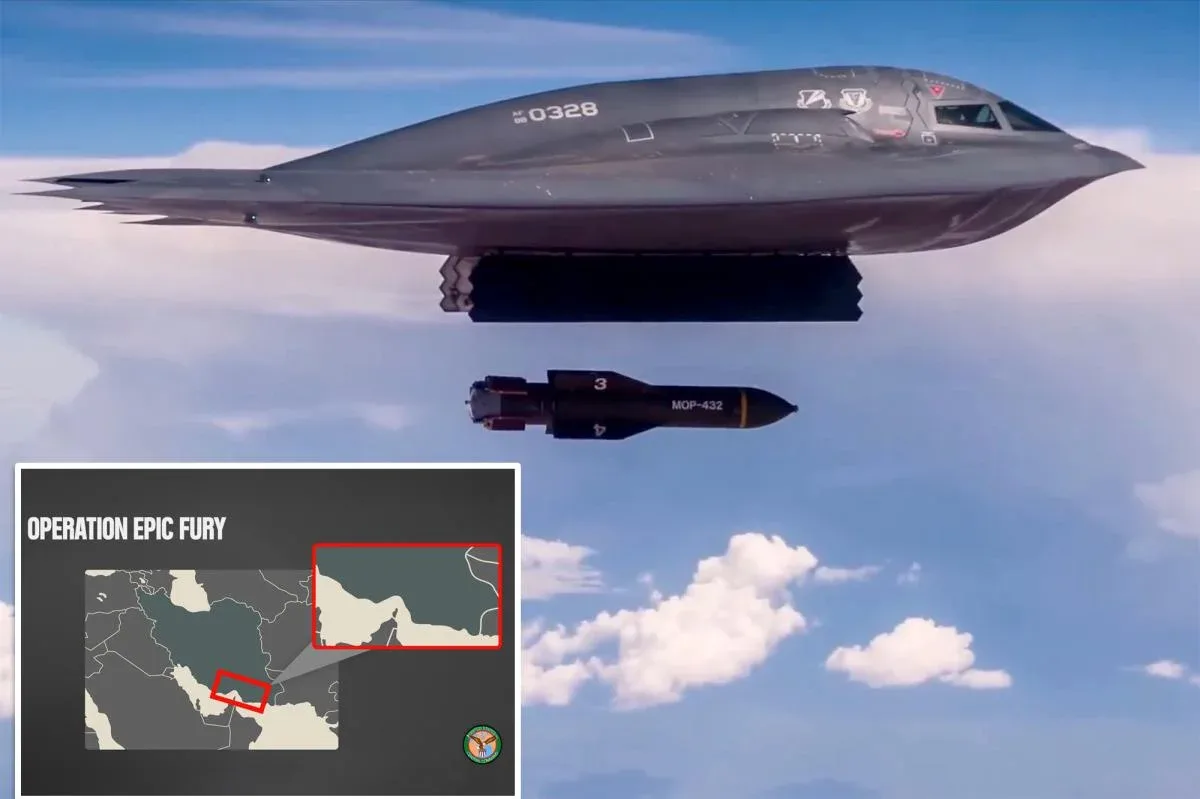
On March 17, 2026, the U.S. military conducted heavy airstrikes, dropping a series of 5,000-pound bunker buster bombs on Iranian underground missile facilities along the coast near the Strait of Hormuz.
U.S. Central Command (CENTCOM) confirmed that the attack took place around 7:00 PM (New York time), targeting fortified objectives located deep underground. These are the sites for anti-ship cruise missiles that the U.S. had previously hit directly in Iranian missile bases to prevent direct threats to international shipping operations through the strait.
The weapon utilized was the GBU-72 Advanced 5K bunker buster—a bomb specialized in destroying underground targets, designed to penetrate deep into reinforced concrete structures before detonating.
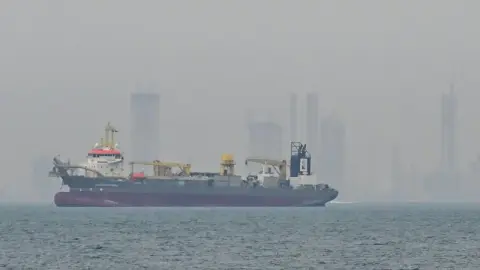
The strike occurred as the conflict with Iran escalated, leaving the Strait of Hormuz nearly blockaded. Iran has used sea mines, drones, and warships to block shipping lanes, disrupting approximately 27% of global maritime energy transport. Consequently, oil prices surpassed the $100 per barrel mark and continue to fluctuate wildly based on the military situation.
CENTCOM Commander, Admiral Brad Cooper, declared that the U.S. will continue to strike directly at Iran's military capabilities to protect freedom of navigation. He affirmed that the campaign is still progressing and that the U.S. military maintains a high state of readiness for a potential day of most intense attacks in the near future.
Meanwhile, President Trump publicly criticized European allies such as France and the UK for failing to participate in coordinating the protection of oil transport routes through this strategic maritime passage.
The developments indicate that the U.S. is no longer stopping at deterrence but has moved to direct, large-scale military strikes against Iran's strategic targets right next to the world's most critical energy transport route.