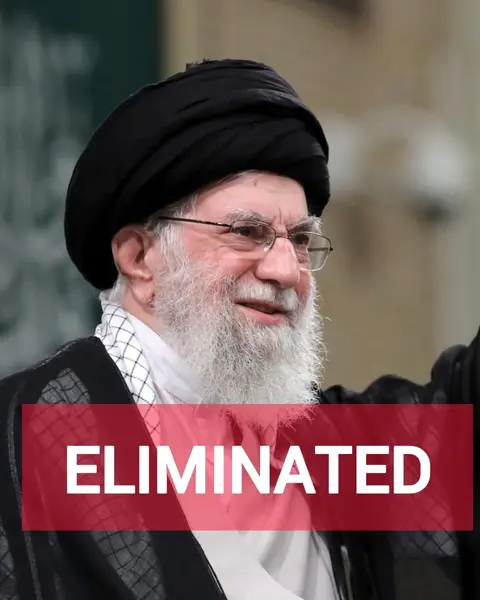
The death of Supreme Leader Ali Khamenei has opened the largest power vacuum in Iran in decades. Opposition figures and faces from within the regime have begun a competition for legitimacy and control over the country's future.
Opposition calls for political transition
Maryam Rajavi, leader of the Paris-based National Council of Resistance of Iran (NCRI), called for the overthrow of the clerical regime and the establishment of a democratic republic. She urged the people, especially the youth, to protect civilians and stand up against what she called "religious fascism."
The NCRI announced a six-month transition plan aimed at holding free elections and handing power to the people. Rajavi rejected the possibility of restoring the monarchy.
Meanwhile, Reza Pahlavi — the son of the last Shah of Iran — also called for the people to unite and return to the streets. He described U.S. military actions as a "humanitarian intervention" targeting the regime rather than the Iranian people.
Pahlavi emphasized that the final victory belongs to the Iranian people and called on security forces to stop protecting the old administration.
Internal power transfer risks
Analysts warn that the Islamic Revolutionary Guard Corps (IRGC) may seek to seize control. Previous U.S. intelligence assessments suggested that the IRGC has the capability to act quickly in a leadership crisis situation.
Mojtaba Khamenei, 56, the son of Ali Khamenei, has emerged as a potential successor candidate. He is believed to hold hardline views similar to his father. The U.S. Treasury Department previously named Mojtaba in sanctions related to capital outflows from Iran.
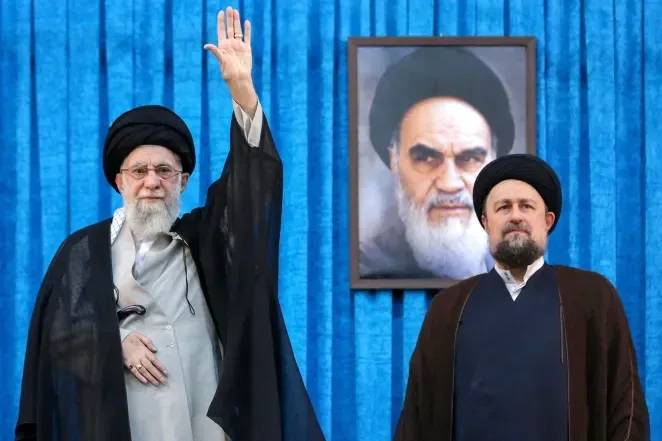
Another figure is Hassan Khomeini, the grandson of revolutionary leader Ruhollah Khomeini. Hassan Khomeini is considered to have a more moderate stance on foreign and domestic policy.
A decisive moment
The competition between factions reflects a major struggle over Iran's political future: maintaining the structure of the Islamic Republic, transitioning to a secular democratic model, or re-establishing a form of monarchy.
President Trump and Israeli Prime Minister Benjamin Netanyahu have both called on the Iranian people to seize the opportunity for change. The domestic situation in Iran has entered a phase of profound uncertainty.
Source: New York Post; Reuters; public statements from the parties involved.